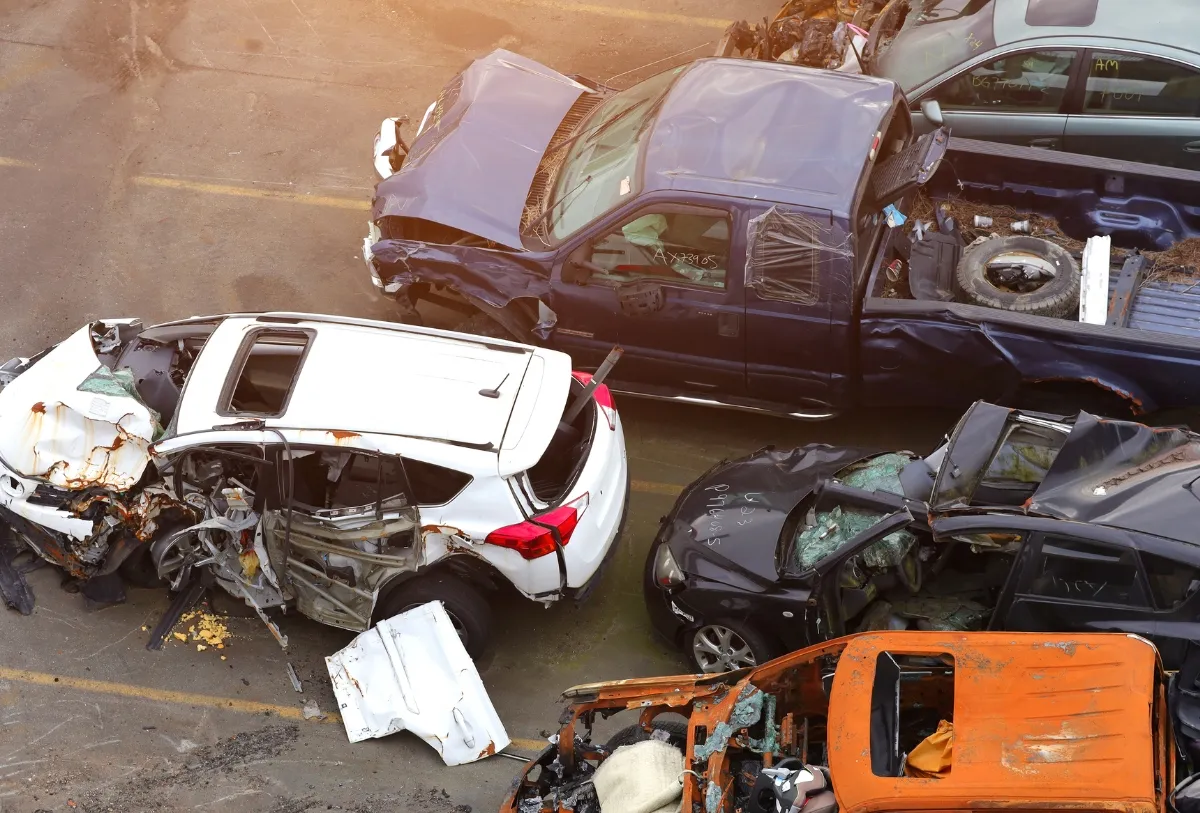

Explore a complete guide on vehicle accidents, including causes, safety measures, legal actions, and insurance tips for drivers and passengers.
Vehicle accidents are an unfortunate reality for drivers and passengers alike. They can range from minor fender-benders to serious collisions resulting in injuries or fatalities. Understanding the causes, prevention strategies, and legal and insurance implications of a vehicle accident is essential for every motorist. This guide provides a thorough exploration of all aspects, helping you navigate safety, liability, and recovery effectively.
What Causes Vehicle Accidents?
Vehicle accidents can occur due to a combination of human error, environmental factors, and mechanical failures. Key causes include:
- Distracted Driving: Using a phone, eating, or adjusting controls can divert attention from the road.
- Speeding: High speeds reduce reaction time and increase crash severity.
- Drunk or Impaired Driving: Alcohol and drugs significantly impair judgment and coordination.
- Weather Conditions: Rain, snow, fog, and ice can make roads hazardous.
- Mechanical Failures: Brake failure, tire blowouts, and engine issues contribute to accidents.
- Road Conditions: Potholes, uneven surfaces, or poorly marked lanes increase risk.
Statistics show that human error accounts for over 90% of all vehicle accidents. While external factors like weather or road conditions play a role, driver behavior remains the most significant risk element.
How to Prevent Vehicle Accidents
Preventing vehicle accidents starts with proactive measures both on and off the road:
- Maintain Your Vehicle: Regular servicing and checks for brakes, tires, and lights ensure safe operation.
- Follow Traffic Laws: Obey speed limits, signals, and lane markings.
- Stay Alert: Avoid distractions and take breaks on long journeys to prevent fatigue.
- Adjust for Weather: Slow down during rain or snow and keep a safe following distance.
- Use Safety Gear: Seat belts, helmets (for motorcycles), and child restraints reduce injury severity.
By combining cautious driving habits with well-maintained vehicles, drivers can significantly reduce the likelihood of an accident.
Immediate Steps After a Vehicle Accident
If you are involved in a vehicle accident, quick and organized action can make a difference:
- Ensure Safety: Move to a safe location if possible and check for injuries.
- Call Emergency Services: Contact local authorities and, if necessary, medical personnel.
- Document the Scene: Take photos, note license plates, and collect witness information.
- Exchange Information: Share contact, insurance, and vehicle details with other involved parties.
- Do Not Admit Fault: Avoid admitting responsibility at the scene; facts will be assessed later.
Properly following these steps helps protect your legal rights and facilitates insurance claims.
Understanding Vehicle Accident Insurance
Insurance coverage plays a critical role after a vehicle accident. Common types include:
- Liability Insurance: Covers damages or injuries you cause to others.
- Collision Coverage: Pays for repairs to your vehicle after an accident.
- Comprehensive Coverage: Covers non-collision damages, like theft or natural disasters.
- Uninsured/Underinsured Motorist Coverage: Protects you if the other driver lacks adequate insurance.
Filing a claim promptly and providing accurate documentation is vital for smooth settlement. Keeping detailed records of the accident scene and any medical reports supports your claim.
Legal Considerations in a Vehicle Accident
Legal issues can arise depending on fault, injury severity, and local laws. Key points include:
- Filing a Police Report: Some jurisdictions require official documentation for insurance and liability purposes.
- Understanding Liability: Fault determination affects insurance claims and potential legal action.
- Medical and Legal Consultations: Injuries may require medical treatment, and legal advice can clarify rights and compensation.
- Statute of Limitations: Time limits exist for filing personal injury or property damage claims.
Consulting a qualified attorney ensures your rights are protected and that you meet all legal obligations.
Vehicle Accident Statistics and Trends
Awareness of accident trends can help drivers make informed choices:
- High-Risk Times: Weekends, holidays, and late-night hours see more accidents.
- Demographics: Young drivers are disproportionately involved due to inexperience.
- Common Locations: Intersections, highways, and urban streets often record higher accident rates.
- Technology Impact: Advanced safety systems, like lane-assist and automatic braking, reduce collision frequency.
These insights guide better driving behavior and inform safety campaigns.
Long-Term Effects of a Vehicle Accident
Beyond immediate injuries, vehicle accidents can lead to long-term consequences:
- Physical Injuries: Whiplash, broken bones, and spinal injuries may require months of recovery.
- Emotional Trauma: Anxiety, depression, and post-traumatic stress disorder (PTSD) can persist after a serious accident.
- Financial Burden: Medical bills, vehicle repairs, and insurance deductibles add up.
- Lifestyle Adjustments: Recovery may involve work limitations and changes to daily routines.
Acknowledging these impacts highlights the importance of prevention and proper accident management.
Frequently Asked Questions
What should I do immediately after a vehicle accident?
Ensure safety first, call emergency services, document the scene, exchange information, and avoid admitting fault.
How can I prevent vehicle accidents?
Maintain your vehicle, obey traffic laws, stay alert, adjust for weather conditions, and use safety gear.
Does insurance cover all vehicle accident damages?
Coverage depends on your policy type. Liability, collision, and comprehensive coverage address different aspects of damage.
Who is liable in a vehicle accident?
Liability is determined based on fault, traffic laws, and evidence collected at the scene. Insurance companies and legal systems evaluate responsibility.
How do weather conditions affect vehicle accidents?
Rain, snow, ice, and fog reduce visibility and road traction, increasing the likelihood of collisions.
What are common injuries from vehicle accidents?
Injuries range from minor cuts and bruises to severe whiplash, broken bones, and spinal trauma. Emotional effects like PTSD are also common.
Conclusion
Vehicle accident can be life-altering events, but understanding the causes, prevention methods, insurance processes, and legal requirements helps minimize risk and improve outcomes. By driving responsibly, maintaining your vehicle, and knowing how to respond effectively, you can protect yourself and others on the road. Prioritize safety and stay informed to navigate any situation confidently.






























Sign in to leave a comment.