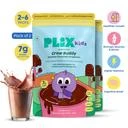

Understanding the Importance of Plant-Based Protein for Kids
Protein is one of the most vital nutrients for a child’s growth. It helps build muscles, repair tissues, and support the immune system. However, many parents worry that traditional protein sources like meat or dairy may not suit every child’s diet. That’s where plant-based protein for kids steps in as a gentle, healthy, and effective alternative.
Plant-based proteins are derived from natural sources such as peas, lentils, soy, nuts, and grains. They provide essential amino acids that support physical development without the heaviness or potential allergens found in animal proteins.
When kids enjoy a diet rich in plant proteins, they get clean, sustainable energy that supports both growth and play.
Why Kids Need Protein Every Day
Children’s bodies are in a constant state of growth and repair. Every day, they need protein to:
- Build muscles and bones
- Support the immune system
- Aid in hormone and enzyme production
- Boost brain development
- Provide sustained energy for play and learning
Protein is not stored in the body, so it must be consumed daily through meals and snacks. That’s why choosing high-quality sources like plant-based proteins is so important.
The Benefits of Choosing Plant-Based Protein for Kids
There are many reasons parents are shifting toward plant-based nutrition for their children.
1. Easier Digestion
Plant proteins are naturally lighter and easier for kids’ digestive systems. They reduce the chances of bloating or discomfort that some dairy-based supplements can cause.
2. Allergen-Friendly
Many children are lactose intolerant or sensitive to milk proteins. Plant-based options offer a safe and inclusive solution.
3. Rich in Fiber and Micronutrients
Unlike animal proteins, plant proteins come with added benefits—fiber, antioxidants, vitamins, and minerals that promote gut health and immunity.
4. Supports Sustainable Eating
Teaching kids about plant-based nutrition helps them build eco-friendly eating habits early in life.
5. Balanced Growth and Energy
The steady energy from plants helps kids stay focused and active throughout the day without sudden sugar spikes or crashes.
Best Sources of Plant-Based Protein for Kids
To help your child grow strong and healthy, include these top plant-based protein sources in their meals:
- Peas: A complete protein source that’s easy to digest.
- Lentils: High in protein, fiber, and iron.
- Quinoa: Contains all nine essential amino acids.
- Chickpeas: Great for snacks or blended into spreads.
- Oats: Provide slow-release energy and protein.
- Nuts and Seeds: Almonds, chia seeds, and sunflower seeds add healthy fats and proteins.
Combining these foods ensures your child gets a full spectrum of amino acids necessary for growth.
The Role of Plant-Based Protein for Kids in Modern Nutrition
Modern parents are busier than ever, and children’s diets often include processed or fast food with low nutrition. Plant-based protein for kids powders or mixes provide an easy, balanced, and tasty way to fill those nutritional gaps.
High-quality options blend natural ingredients like pea protein, almonds, and cocoa to create a delicious drink or shake that kids love. This makes daily nutrition simple, fun, and effective.
These mixes not only support growth but also help build immunity, focus, and energy—all without artificial additives.
How to Add Plant-Based Protein to Your Child’s Diet
Here are some easy and creative ways to add plant protein to your kid’s meals:
- Morning Smoothie: Blend plant-based protein with banana and milk.
- Oatmeal Mix: Stir a spoonful into their breakfast oats.
- Pancake Batter: Add protein powder for extra nutrition.
- Snack Balls: Combine oats, nut butter, and plant protein for energy bites.
- Hot Cocoa Twist: Mix with warm milk for a chocolaty treat.
With fun and tasty recipes like these, even picky eaters will love healthy meals.
Common Myths About Plant-Based Protein for Kids
Myth 1: Plant proteins don’t have enough amino acids.
Reality: When you combine foods like peas, lentils, and quinoa, you get complete protein coverage.
Myth 2: Kids won’t get enough energy.
Reality: Plant proteins offer slow and steady energy release—perfect for school, play, and sports.
Myth 3: Only animal protein builds muscles.
Reality: Plant protein supports lean muscle growth without excess fat or cholesterol.
Myth 4: Plant-based diets are hard to follow.
Reality: With so many easy options and tasty recipes, plant-based eating can be simple and fun.
Safety and Quality: What to Look for in Plant-Based Protein Products
When choosing a protein supplement for your child, always check:
- Ingredient list: Look for clean, natural ingredients.
- Allergen information: Avoid soy, gluten, and dairy if needed.
- No added sugar: Choose natural sweeteners like cocoa or fruit extracts.
- Lab testing: Ensure safety and purity.
- Child-specific formulas: Designed for growing bodies, not adults.
High-quality products meet all these standards, offering parents peace of mind and kids great taste with real health benefits.
How to Tell if Your Child Needs More Protein
Watch for these signs that your child might need more protein:
- Frequent fatigue or low energy
- Slow growth or weak muscle tone
- Difficulty focusing in school
- Weak nails or hair
- Poor appetite or frequent illness
Adding a scoop of plant-based protein to meals can help fill these nutritional gaps easily.
The Long-Term Benefits of Plant-Based Nutrition
Introducing plant-based proteins early helps kids:
- Build lifelong healthy eating habits
- Maintain balanced energy levels
- Develop strong bones and muscles
- Support gut and heart health
- Stay active and mentally sharp
When nutrition becomes part of everyday life, kids thrive both physically and emotionally.
Conclusion: The Smart, Tasty Way to Support Kids’ Growth
Plant-based protein for kids offers the perfect balance of taste, nutrition, and safety. It’s a clean, natural source of energy and growth support that helps children stay strong, active, and healthy.
By adding plant-based protein to your child’s daily diet, you’re giving them a wholesome, delicious, and sustainable way to grow with confidence—one healthy scoop at a time.





























Sign in to leave a comment.