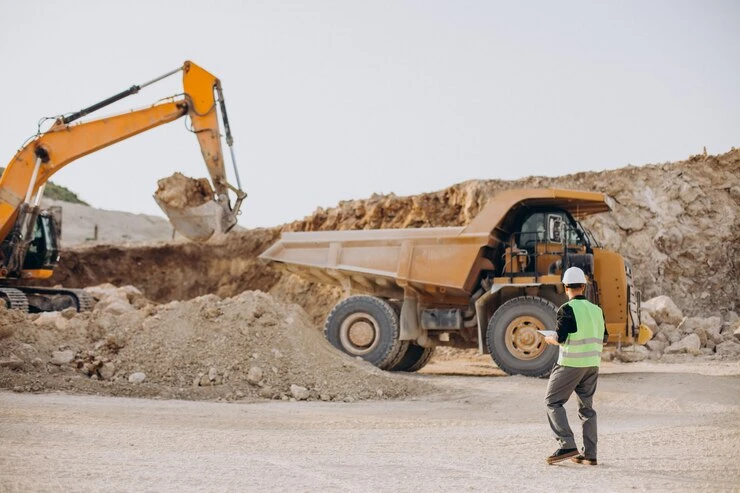

Excavation is a fundamental aspect of residential construction and landscaping projects, laying the groundwork for building foundations, utilities, and outdoor spaces. As a homeowner, it\'s important to have a thorough understanding of the excavation process to ensure your project\'s success. This detailed guide will provide you with comprehensive insights into residential excavation, covering planning, execution, challenges, and best practices. And why Baxter Excavation is a top choice when it comes to excavation services.
What is Residential Excavation?
Residential excavation involves the controlled removal of earth to prepare a site for construction, landscaping, or utility installations. Excavation can range from digging trenches for foundation footings to clearing land for driveways and grading for proper drainage.
Planning Your Excavation Project
Before beginning any excavation work, meticulous planning is essential to avoid costly mistakes and delays:
- Site Assessment: Assess the site thoroughly to understand soil composition, existing structures, and potential obstacles such as tree roots or underground utilities. Consider hiring a surveyor to map out the site accurately.
- Permits and Regulations: Check local building codes and obtain necessary permits for excavation. Depending on the scope of the project, you may need permits for excavation, grading, and land disturbance.
- Clear Project Goals: Define the purpose of the excavation. Are you preparing for a new home construction, adding a swimming pool, or reshaping your landscape? Determine the depth and dimensions of excavation required.
Hiring Professional Excavators
While DIY excavation might seem tempting, hiring experienced professionals is highly recommended due to the complexity and safety considerations involved:
- Expertise and Equipment: Professional excavators have the skills, knowledge, and specialized equipment (e.g., excavators, bulldozers, loaders) to handle excavation tasks efficiently and safely.
- Safety Protocols: Excavation work can be hazardous, with risks of cave-ins, equipment accidents, and underground utility strikes. Professionals follow strict safety protocols to minimize these risks.
- Regulatory Compliance: Reputable excavation companies are familiar with local regulations and environmental guidelines, ensuring compliance throughout the project.
Types of Residential Excavation
Residential excavation encompasses various tasks depending on the project requirements:
- Foundation Excavation: Digging trenches to accommodate building foundations, ensuring a stable and level base for construction.
- Utility Trenching: Creating pathways for underground utilities such as water lines, sewer pipes, and electrical conduits.
- Land Grading and Leveling: Shaping the terrain to achieve proper drainage, prevent erosion, and prepare the land for landscaping.
Environmental Considerations
Responsible excavation practices prioritize environmental protection and sustainability:
- Erosion Control: Implement erosion control measures such as silt fences, sediment basins, and revegetation to prevent soil erosion during and after excavation.
- Waste Management: Proper disposal of excavated materials and debris, adhering to environmental regulations and recycling whenever possible.
- Preservation of Natural Features: Minimize disruption to existing vegetation, wildlife habitats, and water bodies surrounding the excavation site.
The Excavation Process: Step-by-Step
Once planning is complete and permits are obtained, the excavation process typically unfolds in the following stages:
- Site Preparation: Clearing vegetation, removing obstacles, and marking boundaries.
- Layout and Marking: Using surveying tools to mark excavation boundaries, depths, and utility locations.
- Excavation Operations: Employing heavy machinery to dig trenches, remove soil, and shape the land according to project specifications.
- Safety Measures: Ensuring proper trench safety, equipment maintenance, and adherence to excavation plans.
Addressing Common Challenges
Excavation projects may encounter unexpected challenges that require prompt resolution:
- Unexpected Utilities: Discovering buried utilities during excavation requires coordination with utility providers and adjustments to the excavation plan.
- Adverse Weather Conditions: Wet or frozen soil can impede progress. Contractors may need to adjust schedules or implement alternative methods to mitigate weather-related delays.
Post-Excavation Considerations
After excavation is complete, it\'s crucial to focus on post-excavation tasks:
- Backfilling and Compaction: Properly backfill excavated areas with suitable materials and compact the soil to prevent settlement.
- Site Restoration: Restore the site by replacing topsoil, seeding grass, or planting vegetation to stabilize the land and prevent erosion.
Contact Baxter Excavation Now!
Ready to start your construction or landscaping project with expert excavation services? Baxter Excavation ensures a solid foundation and optimal site preparation. Our experienced team prioritizes safety and environmental responsibility throughout the process, employing eco-friendly practices to minimize impact. From site assessment to excavation and site restoration, we offer comprehensive solutions. Contact Baxter Excavation today to discuss your project needs and schedule a consultation for efficient and reliable excavation services.
Sign in to leave a comment.