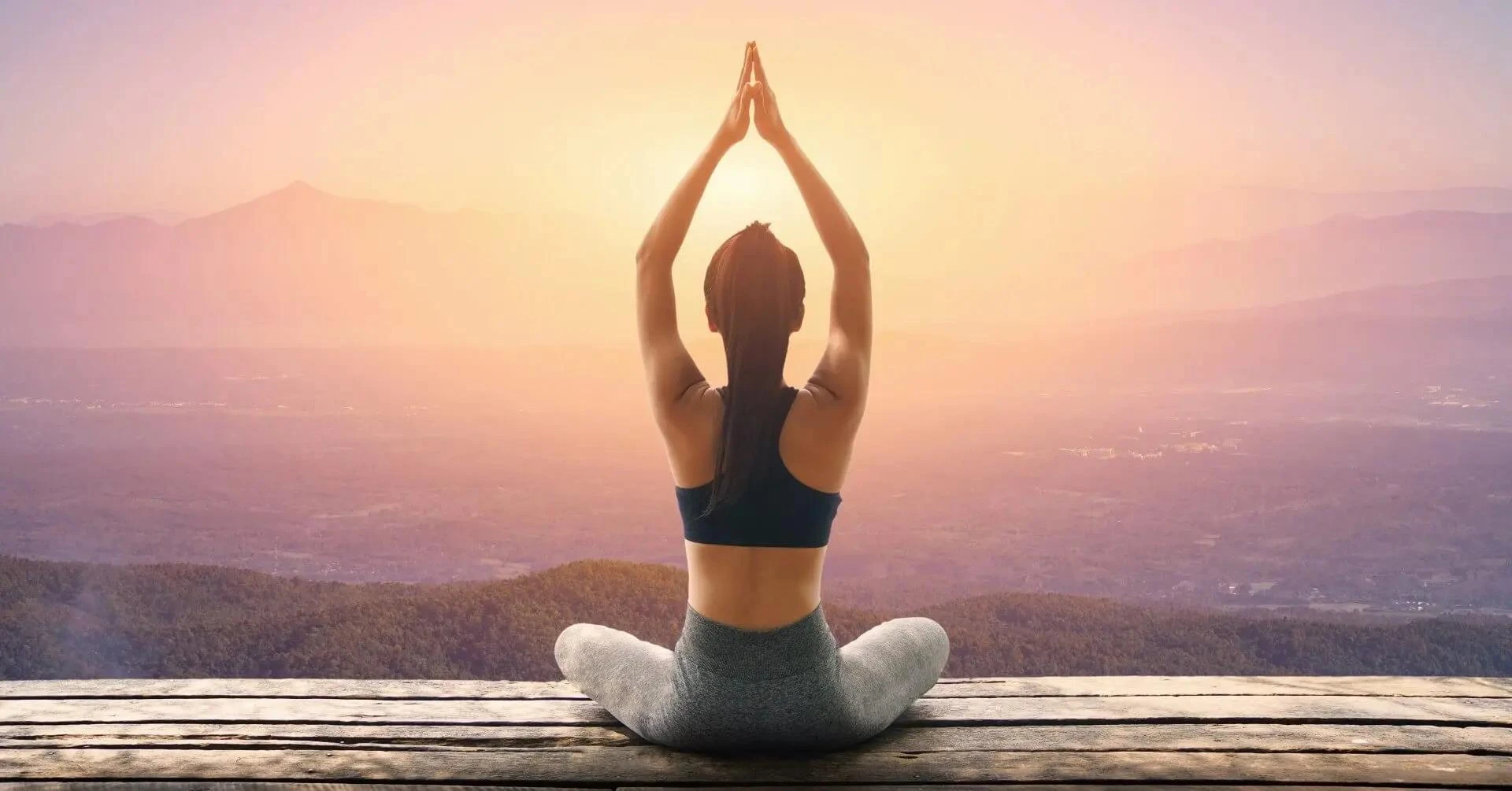

The Comprehensive Guide to Yoga: Uniting Body, Mind, and Spirit
Yoga, a practice originating in ancient India, has transcended time and geography to become a global phenomenon. It is much more than a set of physical exercises; yoga is a holistic practice that integrates the mind, body, and spirit. This guide will explore the history, principles, benefits, types, and practical tips for incorporating yoga into daily life.
A Brief History of Yoga
Ancient Roots
The origins of yoga can be traced back over 5,000 years to the Indus Valley civilization. The earliest references to yoga are found in the Rig Veda, an ancient collection of hymns. These texts mention the practice of controlling the mind and body through breath and meditation.
Classical Yoga
The most significant contribution to classical yoga is the "Yoga Sutras of Patanjali," written around 200 CE. Patanjali\'s work systematized yoga into eight limbs or steps, which include ethical guidelines, physical postures, breath control, sensory withdrawal, concentration, meditation, and ultimately, enlightenment.
Post-Classical Yoga
In the centuries following Patanjali, yoga evolved into various schools and traditions. The Hatha Yoga Pradipika, written in the 15th century, emphasized physical postures (asanas) and breath control (pranayama) to prepare the body for meditation.
Modern Yoga
The late 19th and early 20th centuries saw yoga\'s introduction to the Western world. Pioneers like Swami Vivekananda and Tirumalai Krishnamacharya brought yoga to a global audience. Today, yoga is practiced worldwide, with millions of people reaping its benefits.
The Principles of Yoga
The Eight Limbs of Yoga
Patanjali\'s eight limbs provide a comprehensive framework for the practice of yoga:
- Yama (Ethical Disciplines): Non-violence (Ahimsa), truthfulness (Satya), non-stealing (Asteya), continence (Brahmacharya), and non-greed (Aparigraha).
- Niyama (Self-Observances): Cleanliness (Saucha), contentment (Santosha), discipline (Tapas), self-study (Svadhyaya), and surrender to a higher power (Ishvara Pranidhana).
- Asana (Postures): Physical postures designed to purify the body and provide physical strength and stamina.
- Pranayama (Breath Control): Techniques to control the breath and prana (life force).
- Pratyahara (Withdrawal of Senses): Turning inward, away from external distractions.
- Dharana (Concentration): Focused attention on a single object or point.
- Dhyana (Meditation): Sustained concentration leading to a meditative state.
- Samadhi (Enlightenment): The ultimate goal of yoga, a state of unity with the divine.
The Five Koshas
Yoga philosophy also describes the five koshas or layers of being:
- Annamaya Kosha (Physical Body): The outermost layer, comprising the physical body.
- Pranamaya Kosha (Energy Body): The life force or prana that animates the physical body.
- Manomaya Kosha (Mental Body): The mind and emotions.
- Vijnanamaya Kosha (Wisdom Body): The intellect and inner wisdom.
- Anandamaya Kosha (Bliss Body): The innermost layer, representing pure joy and connection to the divine.
The Benefits of Yoga
Physical Benefits
- Improved Flexibility: Regular practice of yoga postures enhances flexibility and reduces stiffness.
- Strength Building: Yoga poses engage various muscle groups, building strength and endurance.
- Better Posture: Yoga encourages alignment and awareness, leading to improved posture.
- Enhanced Balance: Balancing poses improve stability and coordination.
- Pain Relief: Yoga can alleviate chronic pain, particularly in the back, neck, and joints.
Mental Benefits
- Stress Reduction: Yoga\'s emphasis on breath control and meditation helps reduce stress and anxiety.
- Enhanced Focus: Concentration practices improve mental clarity and focus.
- Emotional Stability: Yoga promotes emotional balance and resilience.
- Better Sleep: Regular practice can improve sleep quality and reduce insomnia.
Spiritual Benefits
- Self-Awareness: Yoga fosters a deeper connection with oneself and promotes self-discovery.
- Inner Peace: Meditation and mindfulness practices cultivate a sense of inner calm and peace.
- Connection to the Divine: For many, yoga is a spiritual journey that enhances their connection to a higher power or universal consciousness.
Types of Yoga
Hatha Yoga
Hatha yoga is the foundation for many modern styles of yoga. It focuses on physical postures (asanas) and breath control (pranayama). Hatha yoga classes typically move at a slower pace, making them accessible to beginners.
Vinyasa Yoga
Vinyasa yoga, also known as flow yoga, emphasizes fluid movement synchronized with breath. Poses are linked together in a sequence, creating a dynamic and physically challenging practice.
Ashtanga Yoga
Ashtanga yoga follows a specific sequence of postures, performed in a precise order. It is a vigorous and disciplined practice that builds strength, flexibility, and stamina.
Iyengar Yoga
Developed by B.K.S. Iyengar, this style emphasizes precision and alignment. Iyengar yoga often uses props, such as blocks, straps, and bolsters, to help practitioners achieve correct posture.
Kundalini Yoga
Kundalini yoga focuses on awakening the energy at the base of the spine and drawing it upward through the chakras. It combines physical postures, breath control, chanting, and meditation.
Bikram Yoga
Bikram yoga consists of a set sequence of 26 postures and two breathing exercises, performed in a heated room. The heat enhances flexibility and detoxification.
Restorative Yoga
Restorative yoga is a gentle, relaxing practice that uses props to support the body in restful poses. It is designed to promote deep relaxation and healing.
Yin Yoga
Yin yoga involves holding passive poses for extended periods, targeting deep connective tissues and promoting flexibility and meditation.
Practical Tips for Incorporating Yoga into Daily Life
Setting Up a Home Practice
- Create a Space: Designate a quiet, clutter-free area for your practice. Ensure you have a yoga mat and any props you might need.
- Set a Schedule: Establish a regular practice time, whether it\'s morning or evening. Consistency is key to reaping the benefits of yoga.
- Start Slow: Begin with short sessions, gradually increasing the duration as you become more comfortable.
- Follow a Routine: Use online classes or yoga apps to guide your practice. Following a structured routine can help maintain discipline.
Integrating Yoga into Daily Activities
- Mindful Breathing: Practice pranayama techniques throughout the day to manage stress and stay centered.
- Mini Breaks: Take short breaks to stretch and perform simple yoga poses, especially if you have a sedentary job.
- Mindfulness: Incorporate mindfulness into everyday activities, such as eating, walking, or even doing chores. This helps bring the essence of yoga into all aspects of life.
Joining a Yoga Community
- Attend Classes: Join a local yoga studio or community center to participate in classes and workshops.
- Online Communities: Engage with online yoga communities through social media, forums, or virtual classes. This can provide support and inspiration.
- Yoga Retreats: Consider attending yoga retreats for an immersive experience. Retreats offer an opportunity to deepen your practice and connect with like-minded individuals.
Overcoming Common Challenges
Physical Limitations
Yoga is for everyone, regardless of physical ability. Modifications and props can help make poses accessible. Always listen to your body and avoid pushing beyond your limits.
Time Constraints
Even short sessions can be beneficial. Integrate yoga into your daily routine by practicing for just 10-15 minutes a day. Over time, you may find opportunities to extend your practice.
Staying Motivated
Set realistic goals and celebrate small achievements. Keep a journal to track your progress and reflect on the changes you experience. Finding a yoga buddy can also help maintain motivation.
Conclusion
Yoga is a transformative practice that offers numerous physical, mental, and spiritual benefits. By understanding its principles and incorporating it into daily life, you can cultivate a sense of balance, peace, and well-being. Whether you\'re a beginner or an experienced practitioner, yoga has something to offer everyone. Embrace the journey, and allow yoga to guide you toward a harmonious and fulfilling life.






Sign in to leave a comment.