The Connection Between Hearing Loss and Speech Delay

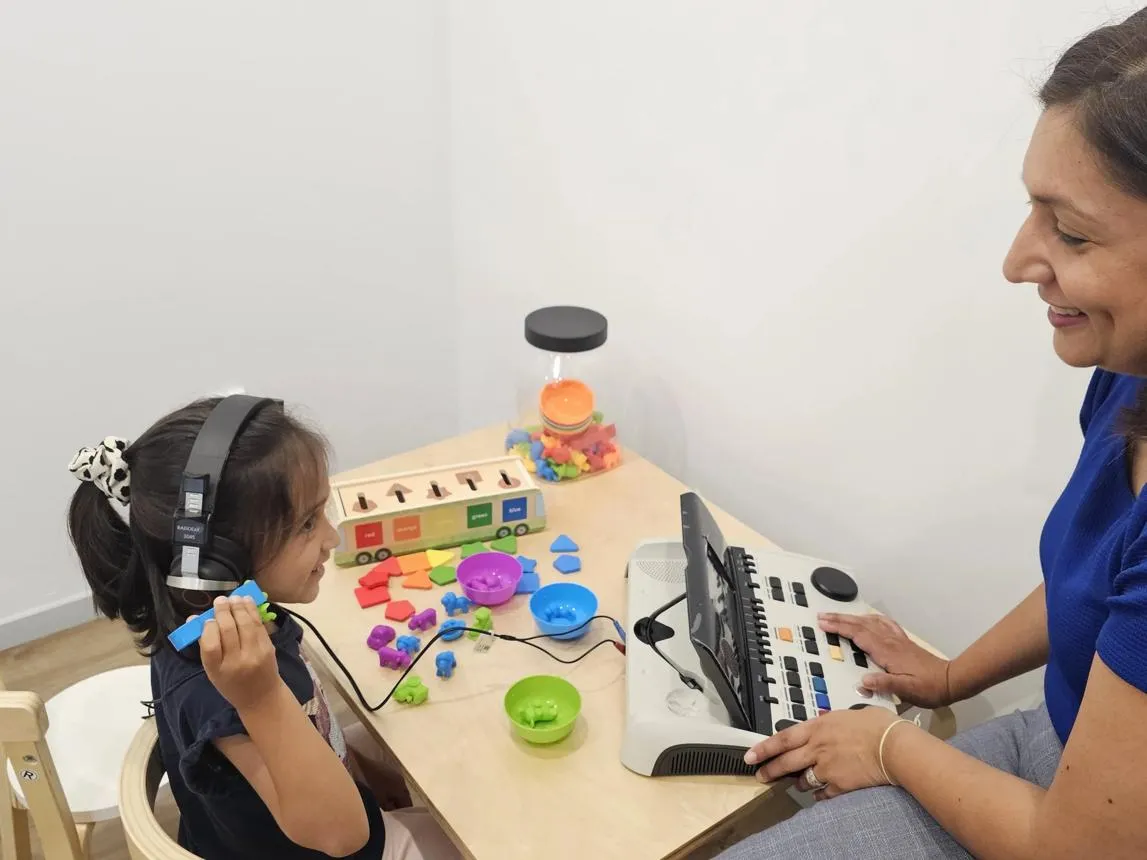
A child's ability to hear plays an important role in developing speech and language skills. Sensorineural hearing loss can affect how children recognise sounds, understand spoken words and learn to communicate. When hearing difficulties are not identified early, children may experience delays in speech and language development. Understanding the connection between hearing loss and speech delay can help parents recognise early signs and seek appropriate support.
How Does Hearing Loss Affect Speech Development?
Children learn to speak by listening to the sounds, words and conversations around them. From infancy, they begin recognising familiar voices, responding to sounds and gradually imitating speech.
When a child has hearing loss, accessing these sounds can become challenging. They may struggle to distinguish between similar sounds, understand words or follow conversations. As a result, developing clear speech and using language confidently may take longer.
The impact depends on the type and degree of hearing loss, the child's age and how early appropriate support is provided.
Common Signs of Speech Delay Linked to Hearing Loss
Speech and language delays can sometimes indicate an underlying hearing difficulty. Parents and carers should look out for signs such as:
- Not responding consistently when their name is called.
- Limited babbling or vocalising during infancy.
- Difficulty recognising familiar words or instructions.
- Delayed development of first words.
- Unclear pronunciation or difficulty forming sentences.
- Frequently asking people to repeat themselves.
- Struggling to follow conversations, particularly in noisy environments.
Every child develops at their own pace, but these signs are worth discussing with a healthcare professional or audiologist.
Types of Hearing Loss That Can Affect Speech
Different types of hearing loss can influence speech and language development.
Conductive hearing loss: This occurs when sound cannot travel efficiently through the outer or middle ear. It may be associated with conditions such as middle-ear infections or fluid build-up.
Sensorineural hearing loss: This occurs when there is damage or dysfunction involving the inner ear or auditory nerve pathways. It can affect how sounds are detected and processed.
Mixed hearing loss: This involves a combination of conductive and sensorineural hearing loss.
Depending on its severity, each type can affect a child's ability to hear and learn speech sounds.
Why Early Hearing Assessment Matters
Early identification of hearing difficulties is essential for supporting a child's communication development. Newborn hearing screening helps identify possible hearing problems shortly after birth, but some children develop hearing loss later or may need further assessment following an initial screening.
If parents notice signs of speech delay or suspect hearing difficulties, they should arrange a hearing assessment with a qualified audiologist.
Early diagnosis allows families to explore suitable support options, including hearing aids, cochlear implants where appropriate, speech pathology and language development programmes.
How Parents Can Support Speech and Language Development
Parents play an important role in helping children develop communication skills. Some practical ways to support them include:
- Talk throughout the day: Describe everyday activities, objects and experiences to introduce new words.
- Read together: Picture books encourage listening, vocabulary development and language understanding.
- Encourage interaction: Use play, songs and conversations to create opportunities for communication.
- Reduce background noise: Turn off televisions and other distractions when speaking with your child.
- Follow professional advice: Work with audiologists and speech pathologists to develop an appropriate support plan.
- Explore accessible communication: Depending on your child's needs, consider spoken language, Auslan or other communication approaches.
Helping Children Build Confidence Through Communication
Hearing loss does not mean a child cannot develop strong communication skills. With early identification, appropriate intervention and ongoing family support, children can make meaningful progress in their speech, language and social development.
Parents who have concerns should not wait for their child to grow out of a speech delay. Seeking professional advice early can help identify possible hearing difficulties and connect children with the right support.
Every child deserves the opportunity to communicate, learn and participate confidently in everyday life.




Sign in to leave a comment.