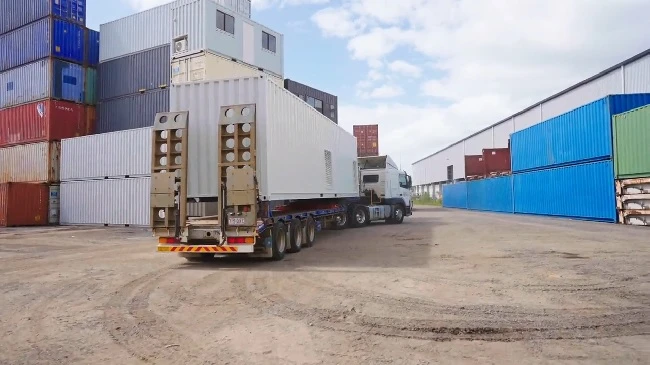

Why are dangerous goods shipping containers important?
Providing a safe way to ship hazardous goods, such as liquids that can be flammable or explosives, is very important for both public safety and environmental protection. Hazardous cargo containers are constructed to take on these roles. These hardened steel containers are built to withstand the pressures of transportation, which may include harsh weather, impacts, or vibrations.
The leak-free design of the bund tank and flame-resistant components ensure maximum safety. Along with that, vents also regulate temperature and clear away dangerous gases. Concerning the safe shipping of your cargo, the combination of these features with the right packaging and labelling according to the regulations ensures that your container meets all safe transportation standards.
The critical role of a dangerous goods shipping container in ensuring safety
Unmatched durability
Constructed from high-tensile steel, shipping containers are engineered to withstand the harshest conditions encountered during transport. They adhere to rigorous ISO standards, ensuring they can endure impacts, vibrations, and extreme weather conditions without compromising their integrity. This unmatched durability safeguards the cargo and minimises the risk of breaches or leaks that could release hazardous materials into the environment.
Leak-proof design
Seams on shipping containers are welded and reinforced using watertight techniques. This meticulous design prevents leaks or spills of hazardous materials even in the event of container damage. Some containers incorporate additional security features, such as secondary containment, or an extra layer of protection. This leak-proof design minimises the risk of environmental contamination and protects people and property throughout the transportation process.
Fire-resistance
Many shipping containers utilise fire-resistant materials, such as corrugated steel with a fire-retardant coating. This critical design element acts as a barrier, effectively containing potential fires and preventing them from spreading to other cargo or the surrounding environment. Imagine a fire outbreak being contained within the container itself. This crucial feature safeguards lives and property by mitigating fire hazards during transportation.
Ventilation systems
Specific types of shipping containers are equipped with ventilation systems to manage temperatures and remove hazardous fumes. These systems can be passive (relying on natural airflow) or active (using fans for circulation). Proper ventilation is essential for maintaining safe conditions within the container. It controls temperature fluctuations that could compromise the integrity of the cargo and prevents dangerous fume buildup.
Having got the right container to match your cargo and done your pre-shipment inspection, you should now ensure that your cargo is secured. Cargo must be properly secured within the container to prevent slipping and moving during transport. Make use of fit-for-purpose dunnage materials and blocking, bracing, and lashings, to fix the cargo in position. This eliminates the movement of items, so there are no collisions. This prevents damage to the container and the container. Explore how dangerous goods shipping container hire and sells ensure safety during transportation Learn more about regulations and ABC s solutions



























Sign in to leave a comment.