
Fire safety is a paramount concern for any building owner, architect, or safety professional. The consequences of a fire can be devastating, impacting lives, properties, and businesses. One of the most effective ways to enhance fire safety is through the use of fire retardant materials and solutions that prevent or slow the spread of flames. Ceasefire PFP stands at the forefront of this field, offering expert passive fire protection services that ensure buildings meet stringent safety standards while safeguarding occupants.
What Is Fire Retardant?
Fire retardants are substances or materials designed to slow down or inhibit the spread of fire and reduce the intensity of flames. These materials can be applied as coatings, sprays, panels, or integrated into building components to provide a protective barrier against heat and combustion. Fire retardants work by chemically altering the way materials burn, often releasing gases that dilute flammable gases or forming a char layer that shields the substrate beneath.
There are several types of fire retardant materials used in construction and industrial applications:
Intumescent coatings: These swell when exposed to heat, forming an insulating char layer.
Fire retardant sprays: Quick and effective for treating wood or other combustible surfaces.
Fire-resistant panels: Used in walls, ceilings, and partitions to compartmentalize fire.
Impregnated materials: Such as fire retardant-treated fabrics or wood.
Understanding the appropriate fire retardant product for a given application is crucial, and this is where specialized knowledge like that of Ceasefire PFP becomes invaluable.
Why Fire Retardants Matter
The integration of fire retardant materials is not just a recommendation—it is often a legal requirement. Building codes and fire safety regulations around the world mandate the use of fire retardant solutions to minimize fire risks. These codes ensure that structures have sufficient passive fire protection, helping to:
Protect human life: Slowing fire spread provides critical evacuation time.
Reduce property damage: Limiting the fire’s impact can save costly repairs.
Maintain structural integrity: Fire retardants prevent materials from weakening too quickly.
Fire retardants are a core element of passive fire protection (PFP), which involves design and material choices that contain or slow fire without human intervention, contrasting with active fire protection like sprinklers or alarms.
Ceasefire PFP’s Role in Fire Safety
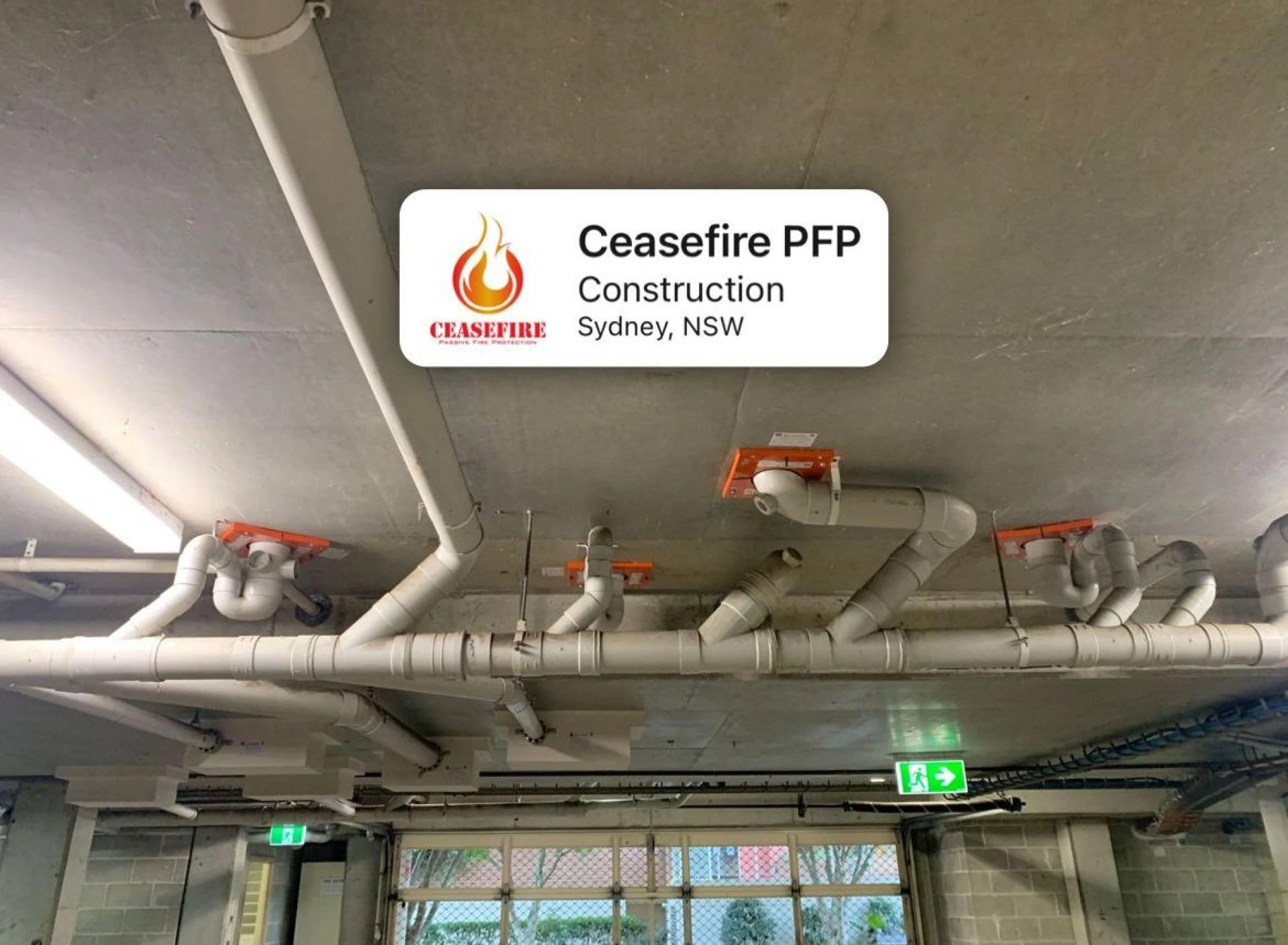
Ceasefire PFP specializes in passive fire protection solutions that incorporate advanced fire retardant technologies. The company’s team of experts assesses building risks and implements tailored strategies that comply with regulatory standards and provide peace of mind.
Their services include:
Application of intumescent coatings on steel structures to maintain strength during a fire.
Installation of fire-resistant boards and panels to compartmentalize spaces.
Fire retardant treatments on timber and other combustible materials.
Fireproofing solutions for critical infrastructure such as hospitals, schools, and commercial buildings.
Ceasefire PFP is known for combining innovative products with meticulous craftsmanship, ensuring every project delivers maximum safety and durability.
Benefits of Using Ceasefire PFP’s Fire Retardant Solutions
Partnering with Ceasefire PFP guarantees access to fire retardant products and services that are:
Compliant: All solutions meet or exceed national and international fire safety codes.
Durable: The materials used are tested to withstand harsh environments over time.
Custom-tailored: Ceasefire PFP evaluates each project’s unique requirements to recommend the most effective fire retardant system.
Expert-led: Experienced professionals manage installations to ensure proper application and certification.
These advantages help building owners not only meet legal obligations but also invest in long-term fire resilience.
How to Choose the Right Fire Retardant Product
Selecting the right fire retardant depends on several factors:
Building type and use: Residential, commercial, industrial, or institutional buildings have different risks.
Materials involved: Wood, steel, plastics, and fabrics react differently to fire retardants.
Environmental conditions: Exposure to moisture, temperature fluctuations, or chemicals can affect product performance.
Fire risk level: High-risk environments need more robust fire retardant solutions.
Ceasefire PFP provides comprehensive assessments, guiding clients through this decision-making process and recommending solutions that balance safety, cost, and functionality.
Conclusion
Fire retardants are indispensable in the fight against fire hazards, providing vital protection that saves lives and limits damage. Ceasefire PFP exemplifies excellence in the field of passive fire protection, offering expert guidance and high-quality fire retardant solutions tailored to each building’s needs.
If you are looking to enhance your building’s fire safety with reliable and effective fire retardant products, Ceasefire PFP is the trusted partner to consult. Don’t wait until a fire happens—invest in prevention with Ceasefire PFP today.










Sign in to leave a comment.