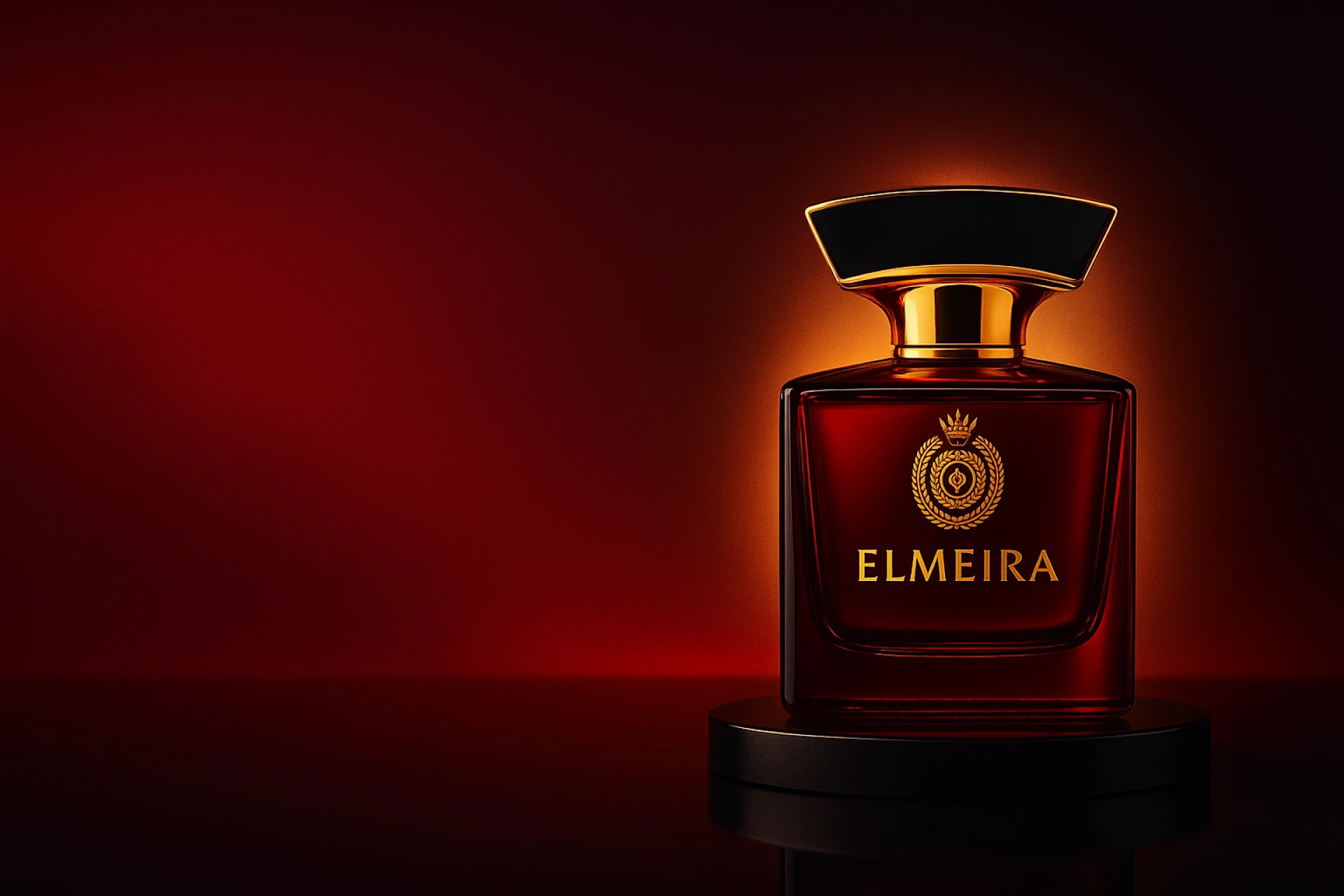

The Fundamental Philosophy: Arabic Perfume vs International Perfume
Understanding the cultural significance of Arabic perfumery requires recognizing a fundamental philosophical difference. While Western fragrances are designed as fleeting impressions, Arabic perfumes embody a deeper cultural ethos. Arabic perfumes are oil-based, intense, and long-lasting, whereas Western fragrances are typically alcohol-based, lighter, and offer a wider variety of scents. This isn't merely a technical difference—it reflects centuries of cultural values prioritizing depth over superficiality, permanence over transience.
It's not unusual for individuals to apply multiple types of fragrances throughout the day—starting with oil-based attars in the morning, a spray of eau de parfum before leaving home, and bakhoor in the evening. This ritualistic approach to fragrance transforms perfume from a simple cosmetic choice into a cultural practice that defines identity and social connection.
The Sacred Ingredients: Oud, Frankincense, and Cultural Identity
At the heart of Arabic perfumery lies oud – a rare and precious wood that's often called "liquid gold" in the perfume world. But oud represents more than luxury; it has been considered a cultural touchstone, especially across the Middle East, and today represents Emirati cultural identity. Oud has been an inherent element of Middle Eastern tradition, serving as a cultural bridge from the Kingdom of Saudi Arabia to the United Arab Emirates to Turkey to India, Indonesia, Vietnam and France.
The cultural significance extends beyond individual use. It is customary to burn oud on Fridays, the holiest day of the week, connecting fragrance to spiritual practice and community tradition. This integration of scent with sacred time demonstrates how Arabic perfumery transcends mere aesthetics to become a vehicle for cultural continuity.
Hospitality Through Fragrance: A Living Tradition
Arabic perfume culture embodies the region's legendary hospitality. The welcoming ritual may include perfuming the hair or the clothes of guests with burning fragrances or floral waters, with a tray of assorted fragrances offered so guests may perfume themselves—a ritual as integral to the culture as serving coffee. This practice transforms fragrance from a personal choice into a social language, communicating respect, welcome, and cultural identity.
Why Best Perfumes for Men UAE Reflects Cultural Values
The popularity of searches for best perfumes for men UAE and luxury perfumes Dubai reflects more than consumer preference—it demonstrates cultural priorities. Luxury Arabic perfumes are crafted with premium, natural ingredients such as oud, amber, musk, incense, and spices, giving Arabic fragrances exceptional strength and longevity. These characteristics align with cultural values emphasizing authenticity, permanence, and natural beauty over artificial alternatives.
In a perfume shop near me, Dubai or when exploring best attar Abu Dhabi, customers aren't just purchasing fragrance—they're participating in cultural heritage. Arabic perfumes are more rooted in traditions, with an exotic, traditional smell that lingers for a long time, offering wearers a connection to centuries of cultural refinement.
The Modern Renaissance: Global Recognition of Ancient Wisdom
Today's fragrance renaissance sees international markets increasingly drawn to Arabic perfumery's authenticity. Arabic perfumes carry centuries of tradition, rich notes, and sensory depth, known for their intensity, longevity, and deep, complex blends. This growing appreciation reflects a global shift toward valuing cultural authenticity over mass-produced uniformity.
The significance of Arabic perfume Sharjah and throughout the Emirates extends beyond regional preference—it represents a cultural export that's enriching global fragrance understanding. Arabic fragrances are intense and strong—often oud-based, while western perfumes have more of a fresh and light appeal, offering the world an alternative to fleeting, surface-level scent experiences.
Preserving Heritage Through Modern Expression
The cultural renaissance of Arabic perfumery isn't about rejecting modernity—it's about infusing contemporary life with meaningful tradition. From the smoky allure of bakhoor to the luxurious depth of oud, these scents tell a story of tradition, hospitality, and identity, remaining a timeless link to the past while offering a sensory experience that transcends time and place.
Discover Authentic Arabic Perfumery Experience the cultural depth of traditional Arabic fragrances through carefully curated collections at Elmeira Fashion's perfume section, where heritage meets contemporary elegance.
Explore Cultural Insights: Deepen your understanding of Arabic perfume traditions and contemporary trends through expert articles at Elmeira's cultural blog, celebrating the ongoing renaissance of Middle Eastern fragrance artistry.
The cultural renaissance of Arabic perfumery represents more than a trend—it's a return to authenticity in an increasingly artificial world. As global markets rediscover the depth, complexity, and cultural richness of Arabic fragrances, they're not just adopting new scents; they're embracing a philosophy that values heritage, hospitality, and the profound human connection to natural beauty.
























Sign in to leave a comment.