
In the ever-evolving landscape of content management systems (CMS), Drupal and WordPress continue to stand out as two of the most popular and powerful platforms available to web developers and content creators worldwide. As we move through 2024, the distinction between these two giants becomes increasingly nuanced, shaped by years of development, community input, and the ever-changing demands of the digital age. This article aims to shed light on the key differences between Drupal and WordPress, helping you make an informed decision on which platform best suits your needs.
Introduction
Before delving into the technicalities, it\'s crucial to acknowledge the vibrant communities behind both Drupal and WordPress. These platforms are not just tools but ecosystems thriving with developers, designers, and users who contribute to their growth and adaptability. In 2024, both communities have continued to innovate, ensuring their platforms remain at the forefront of digital publishing.
Ease of Use
WordPress: The Gateway to Web Publishing
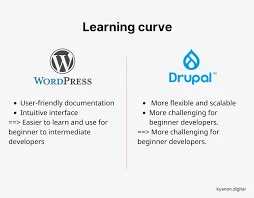
WordPress, renowned for its user-friendly interface, continues to be the go-to choice for individuals stepping into the world of web development and content creation. Its intuitive dashboard and the simplicity of setting up a website make WordPress an attractive option for bloggers, small businesses, and non-technical users. The platform\'s emphasis on accessibility and ease of use ensures that anyone with a basic understanding of web technologies can create and manage a website with minimal learning curve.
Drupal: Powering Complex Digital Experiences
Drupal, on the other hand, caters to a different audience. Known for its robustness and flexibility, Drupal excels in managing complex websites and intricate digital experiences. It\'s the platform of choice for large organizations, government entities, and universities that require extensive customization and scalability. Drupal\'s architecture allows for a high degree of modularity, making it possible to tailor every aspect of the user experience to specific needs. However, this flexibility comes with a steeper learning curve, requiring more technical expertise than WordPress.
Customization and Flexibility
WordPress: Themes and Plugins Galore
The WordPress ecosystem is home to an extensive array of themes and plugins, empowering users to customize their sites to their heart\'s content. Whether it\'s an e-commerce store, a portfolio, or a personal blog, there\'s almost always a theme or plugin available to meet your needs. This vast repository of extensions, many of which are free or reasonably priced, makes WordPress incredibly versatile.
Drupal: Unparalleled Modularity
Drupal takes customization and flexibility a step further with its modular approach. While WordPress offers plugins, Drupal provides modules that can be likened to building blocks, allowing developers to create highly customized functionality. Drupal\'s core is designed to be extended, and its API-centric architecture facilitates the integration with other systems and technologies. This level of customization potential makes Drupal the preferred choice for projects requiring bespoke solutions.
Security
WordPress: Vigilance and Responsibility
Due to its popularity, WordPress sites are frequent targets for cyberattacks. However, the WordPress community is highly proactive in maintaining security, with regular updates and patches released to address vulnerabilities. Users are encouraged to stay vigilant, keep their software up to date, and implement best security practices to safeguard their sites.
Drupal: Robust and Secure by Design
Drupal is renowned for its strong focus on security, with an in-built framework designed to prevent common web vulnerabilities. Its security team is highly active, providing timely updates and advisories. Drupal\'s architecture and strict coding standards contribute to its reputation as one of the most secure CMS platforms, making it a preferred choice for organizations with stringent security requirements.
Performance and Scalability
WordPress: Optimized for Speed and Efficiency
WordPress is optimized for performance, with a streamlined core that ensures fast loading times for basic installations. However, the platform\'s performance can be affected by the number and quality of plugins and themes installed. With the right hosting environment and careful optimization, WordPress sites can handle significant traffic and scale as needed.
Drupal: Built for High-Performance Websites
Drupal\'s performance and scalability are among its standout features. It\'s designed to handle high-traffic websites and complex data structures efficiently. Drupal\'s advanced caching mechanisms and ability to integrate with enterprise-level systems make it ideal for projects that demand high performance under load.
Community and Support
WordPress: A Vibrant and Supportive Community
The WordPress community is one of the largest and most welcoming in the tech world. Users can find support through official forums, social media groups, and countless tutorials and resources available online. WordCamps and meetups provide opportunities for learning and networking, further enriching the WordPress experience.
Drupal: Expertise and Collaboration
The Drupal community is characterized by a deep level of expertise and a collaborative spirit. While smaller than the WordPress community, it is no less vibrant, with DrupalCon and local meetups serving as hubs for knowledge sharing and innovation. The community\'s commitment to the platform\'s growth is evident in the extensive documentation, forums, and support channels available to users.











Sign in to leave a comment.