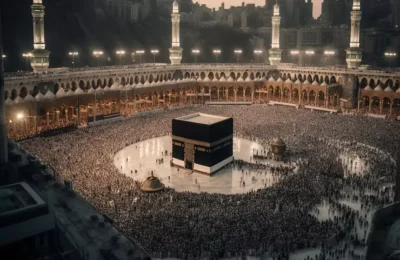
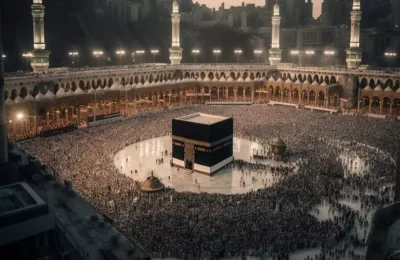
For Muslims living in the UK, the spiritual call to visit Makkah is felt deeply throughout our lives. Whether you're considering your first pilgrimage or helping family members plan theirs, understanding the distinctions between Hajj and Umrah is essential for making the right choice at the right time.
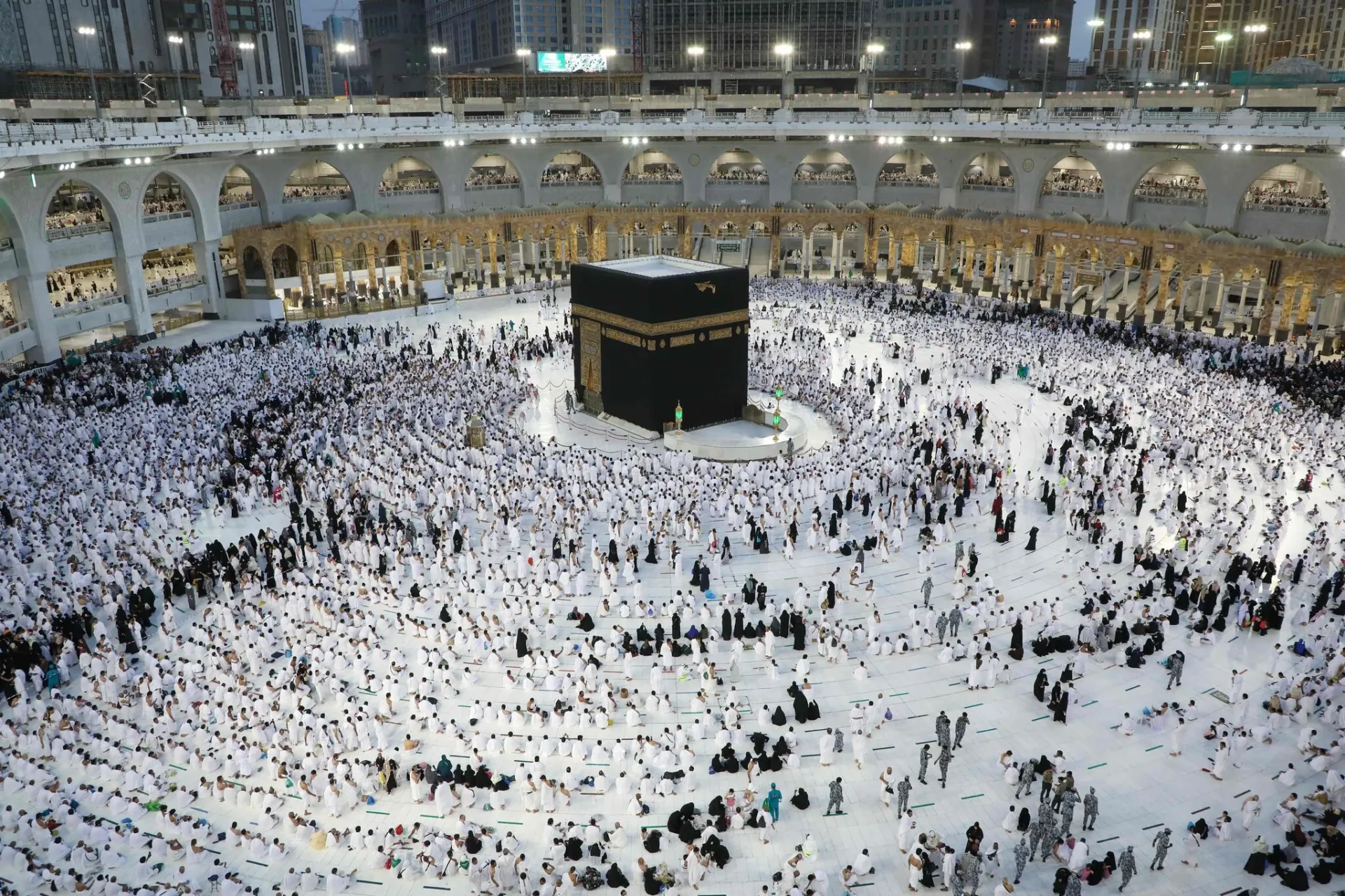
Both pilgrimages are performed at the holy sites in Makkah and hold tremendous spiritual significance, yet they differ considerably in their requirements, timing, and religious obligations.
What Makes Hajj Different from Umrah?
Religious Obligation vs Voluntary Act
Hajj stands as one of Islam's five pillars and must be completed by every Muslim who is physically and financially capable at least once in their lifetime. This obligation is mentioned clearly in the Quran, making it a fundamental duty rather than a choice.
Umrah, whilst highly recommended and spiritually rewarding, is considered a voluntary act of worship. It's often referred to as the "lesser pilgrimage," though this doesn't diminish its spiritual value or the blessings associated with performing it.
Timing and Duration
The timing of these pilgrimages is perhaps their most obvious difference. Hajj can only be performed during specific dates in the Islamic month of Dhul Hijjah - typically lasting five to six days during the second week of the month. These dates are fixed according to the Islamic lunar calendar, which means they shift approximately 11 days earlier each year in the Gregorian calendar.
Umrah, conversely, can be performed at any time throughout the year, making it far more flexible for UK Muslims who need to work around school holidays, work commitments, or personal circumstances. Many families from Britain choose to perform Umrah during half-term breaks or summer holidays when children are off school.
Rituals and Complexity
The rituals performed during Hajj are more comprehensive and complex than those of Umrah. Hajj includes all the Umrah rituals plus additional ceremonies such as standing at Arafat (Wuquf), staying overnight at Muzdalifah, and the symbolic stoning of the devil at Jamarat.
Umrah consists of four main rituals: entering the state of Ihram, performing Tawaf (circumambulation of the Kaaba), Sa'i (walking between Safa and Marwah), and Tahallul (exiting the state of Ihram). These can typically be completed within a few hours, though many pilgrims choose to extend their stay for additional prayers and reflection.
Cost Considerations for UK Muslims
Given the mandatory nature of Hajj and its fixed timing, Hajj Pakages in 2025 tend to be significantly more expensive than Umrah alternatives. The concentrated demand during Hajj season, combined with the Saudi government's quota system limiting the number of pilgrims, drives prices higher.
UK Muslims often find Umrah pakages more budget-friendly, with greater flexibility in accommodation standards and travel dates. This affordability allows many families to perform Umrah multiple times, whilst saving for their obligatory Hajj journey.
Crowd Management and Experience
Hajj brings together over two million Muslims from around the world during the same few days, creating an unparalleled but challenging experience. The crowds can be overwhelming, particularly for elderly pilgrims or those with mobility issues. Extensive planning and physical preparation are essential.
Umrah crowds vary significantly depending on the time of year chosen. Ramadan sees the highest numbers, whilst other months might offer a more peaceful experience. This flexibility allows UK pilgrims to choose timing that suits their personal preferences and physical capabilities.
Planning Your Pilgrimage from the UK
Documentation and Visa Requirements
Both pilgrimages require appropriate visas from the Saudi authorities, but the application processes differ. Hajj visas are typically arranged through authorised agents and are subject to strict quotas allocated to each country. The UK receives a specific allocation each year, which is distributed among registered travel operators.
Umrah visas are generally more accessible and can be obtained through various means, including online applications for certain passport holders or through registered Hajj And Umrah Travel Agency providers.
Health and Age Considerations
Saudi authorities have implemented various health requirements over recent years, particularly following the COVID-19 pandemic. These requirements can change, so staying updated through official channels is crucial for UK Muslims planning either pilgrimage.
Age restrictions sometimes apply, particularly for Hajj, where children under certain ages might not be permitted. Umrah generally has fewer such restrictions, making it more suitable for families with young children.
Preparing Spiritually and Practically
Both pilgrimages require spiritual preparation, including learning the proper rituals, understanding their significance, and preparing mentally for the transformative experience ahead. Many UK mosques and Islamic centres offer preparation courses specifically designed for British Muslims.
Practical preparation involves physical fitness training (particularly important for Hajj), learning basic Arabic phrases, and understanding Saudi customs and regulations. The more thorough your preparation, the more meaningful your pilgrimage experience will be.
Making the Right Choice for Your Circumstances
Choosing between Hajj and Umrah depends on various personal factors. If you haven't fulfilled your Hajj obligation and have the physical and financial means to do so, Islamic teachings suggest not delaying this fundamental duty. However, if circumstances make Hajj challenging currently, performing Umrah can provide spiritual nourishment whilst you prepare for your future Hajj journey.
Many UK Muslims perform Umrah first as a "practice run," familiarising themselves with the holy sites and rituals before undertaking the more demanding Hajj pilgrimage. This approach can build confidence and spiritual connection whilst fulfilling the desire to visit the holy places.
Understanding these differences helps UK Muslims make informed decisions about when and how to embark on these sacred journeys, ensuring that whether you choose Hajj or Umrah, your pilgrimage becomes a transformative spiritual experience that strengthens your faith and connection to the global Muslim community.









Sign in to leave a comment.