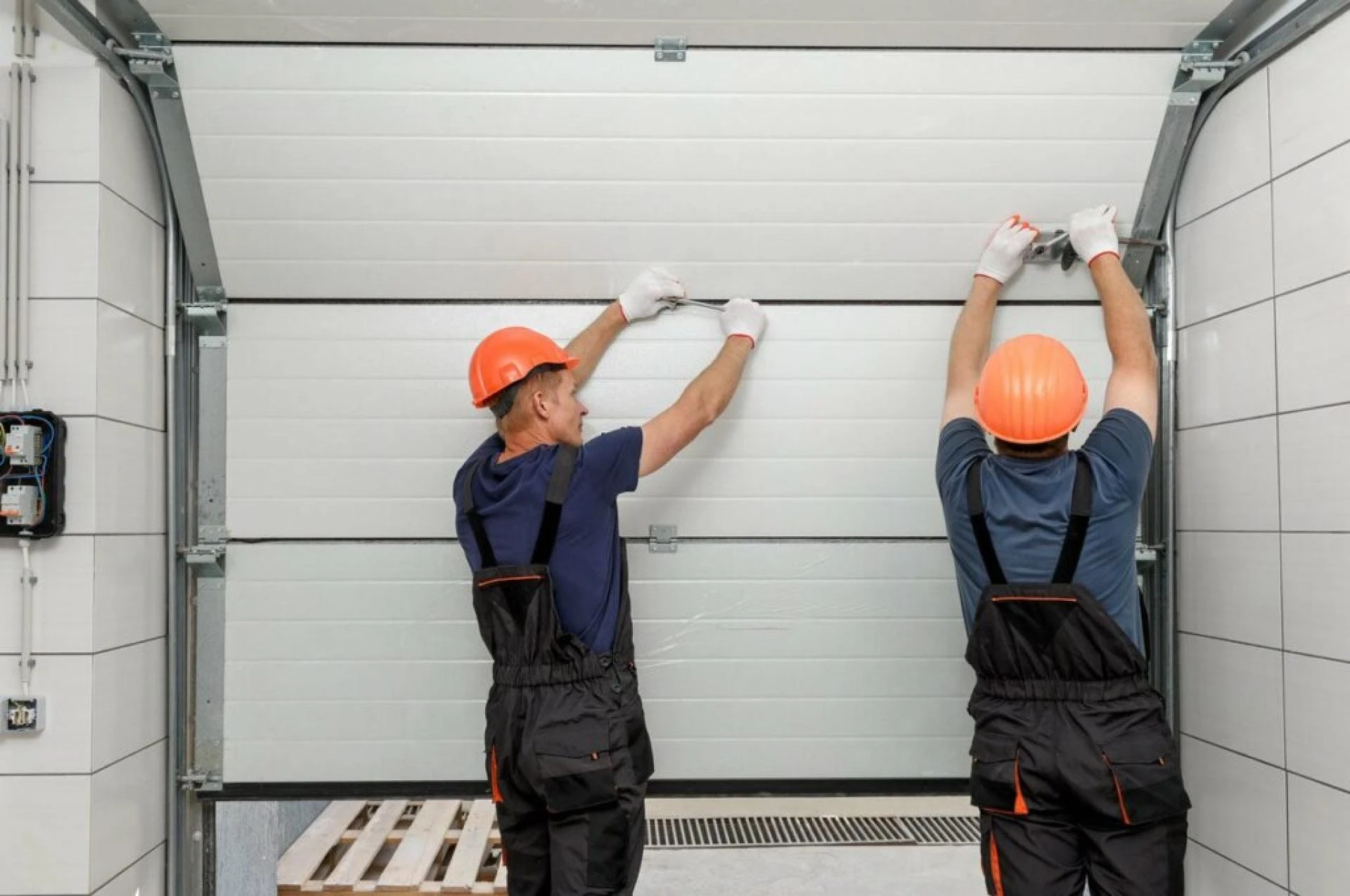

Your garage door opener is an essential part of your daily routine, ensuring the safety and convenience of your home. But when it malfunctions or fails, it can be incredibly frustrating and even dangerous. Before you call for professional help, consider taking matters into your own hands with a DIY guide to troubleshooting and repairing your garage door opener. By understanding how your garage door opener works and various common issues, you can often identify the root causes of the problems and fix them yourself. Not only is this a cost-effective solution, but it also gives you the satisfaction of knowing you've conquered the task independently. So, don't let that unresponsive garage door opener get the best of you — grab your trusty toolbox and embark on an empowering DIY adventure to restore your garage door opener to its full potential.
Understand How Garage Door Openers Work and Identify the Parts:
Before you begin taking apart or inspecting your garage door opener, it pays to understand how they work and the components that make them up. Most garage door openers use belts, chains, or screw drives to lift and lower doors. They also contain motor units, gears, trolleys, limit switches, circuit boards, and other components. Please familiarize yourself with these parts to easily identify them when inspecting your garage door opener.
Inspect the Key Parts for Damage and Wear:
Once you know what to look for, it's time to inspect the various key components of your garage door opener for any signs of damage or wear. Start by examining the motor unit and gears for broken or worn parts, misaligned components, or faulty wiring. Then move on to the trolley and belt/chain/screw drive to check for worn pulleys, loose hardware, and other potential problems.
Test the Operational Settings:
After inspecting the key components of your garage door opener, it's time to test its operational settings. Start by checking the limit switches to ensure they are properly adjusted and functioning as intended. Then try the sensitivity levels for any signs that they may need to be changed or replaced. You should also check if a power surge protector is installed and if it is functioning properly.
Make Any Necessary Repairs or Replacements:
If you discover any issues during inspection or testing, don't hesitate to make the necessary garage door repairs or replacements. If you feel comfortable, replace worn parts, such as gears and pulleys. Consider hiring a professional to avoid any potential risks for more extensive garage door repairs.
Test the System Once Again and Enjoy:
Once all garage door repairs have been made, it's time to test your garage door opener one final time before enjoying its restored functionality. Open and close the door several times to ensure everything works correctly, then congratulate yourself on a job well done!
Learn How to Reset Your Garage Door Opener:
With patience and know-how, you can get your garage door opener back up and running quickly! Before you call it a day, take the opportunity to learn how to reset your garage door opener. This step will be useful if any issues crop up, allowing you to troubleshoot and make necessary adjustments.
Stay Vigilant and Perform Regular Maintenance:
Regular maintenance is key to keeping your garage door opener running smoothly over the long haul. Regularly check all its components for wear or damage and test its operational settings every few months. By staying vigilant, you can prevent major issues and save time and money on costly garage door repairs.
Check for Broken Springs and Cables:
Remember to check for broken springs and cables from time to time. If these components are worn or damaged, they can put added strain on the motor unit, leading to costly garage door repairs or even complete replacement. Please pay close attention to any signs of wear or damage and replace them immediately to prevent this.
Replace Garage Door Remote Batteries:
Remember to keep the batteries in your garage door remote fresh and ready to go. This step will ensure you're not stuck outside due to a dead battery when you need access in a hurry. It's also important to ensure your remote is securely stored away from pets or children who could activate it and cause damage or injury.
Troubleshoot Common Issues with Your Garage Door Opener:
Learn how to troubleshoot some of the most common issues with your garage door opener. Common problems include power outages, misaligned limit switches, faulty wiring, or worn parts. With some patience and research, you can easily fix these issues and get your garage door opener working again. This step will be useful if you encounter problems and need quick help.
Don't Hesitate to Call a Professional:
If you are in over your head, don't hesitate to call a professional for help. A skilled technician can quickly identify any underlying problems with your garage door opener and provide the necessary garage door repairs or replacements. It's best to call in a professional if you don't feel comfortable fixing the issue, as this will minimize potential risks and ensure your safety.
Take the Necessary Safety Precautions:
Always take the necessary safety precautions no matter what type of maintenance you're doing. This step includes wearing protective gear and ensuring that all moving parts are securely fastened. If you don't follow these steps, you put yourself at risk for serious injury or worse. With a little care and attention, however, you can confidently perform any garage door repairs and get your opener running like new again.
Using these tips, you can easily repair or replace broken components in your garage door opener and quickly restore its functionality. Remember to reward yourself with a pat for a well-done job! You can fix it yourself with patience and the right tools and save money on costly garage door repairs.













Sign in to leave a comment.