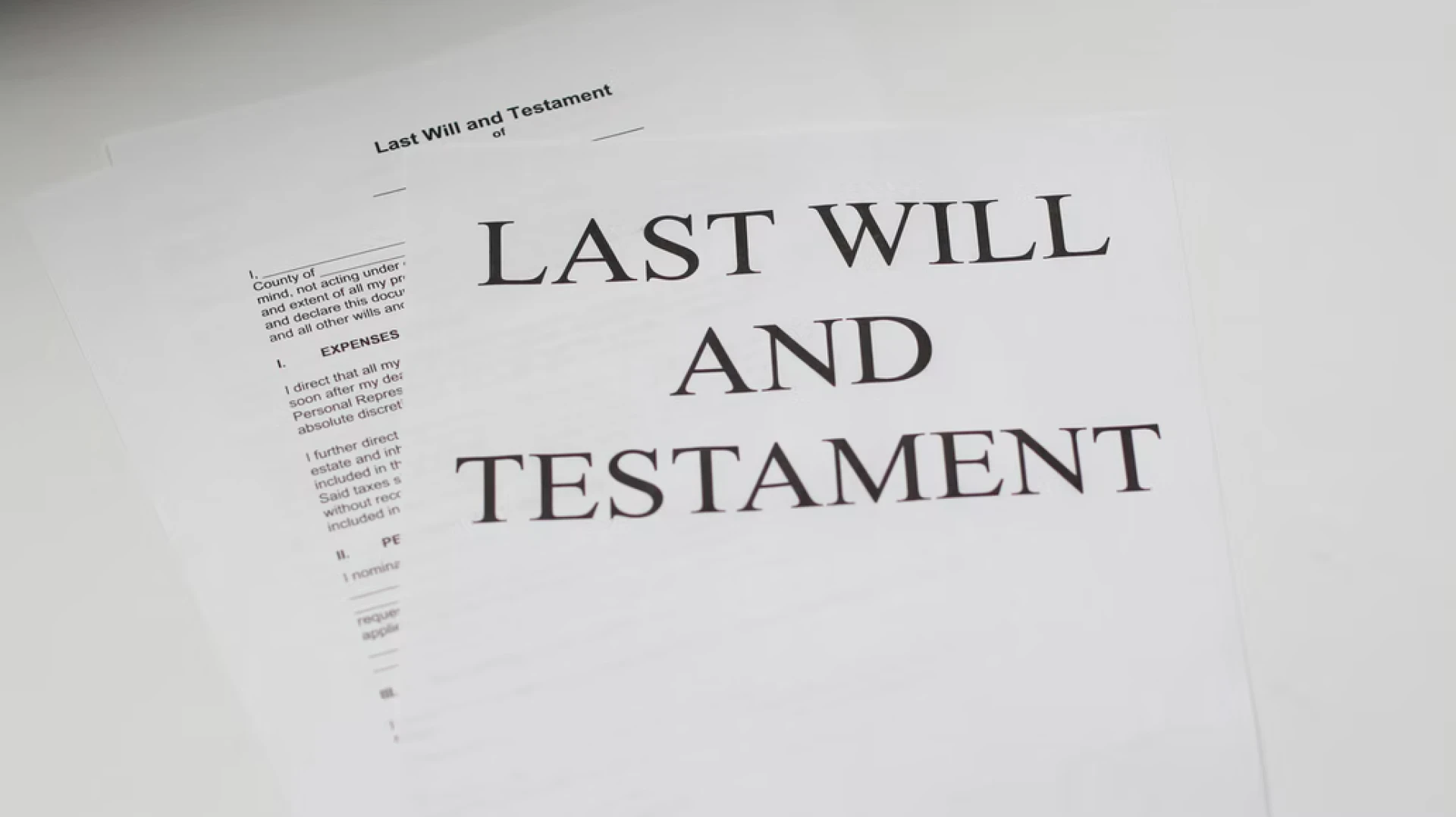

According to estate law attorneys, a will is the most crucial document you’ll ever write in your life! A will allows you to determine who’ll receive your hard-earned assets once you pass away, and we understand that you probably want that distribution according to your wishes. If the court doesn’t find a deceased person's will, it will distribute the estate according to the state’s laws.
However, if the will gets invalid or your inheritors can’t prove it, the court will again distribute based on the state laws. Therefore, you should follow specific guidelines to ensure your will’s validity. Here are some dos and don'ts you need to know.
Don’t Procrastinate
The biggest mistake most people make is putting off writing a will. Many people think that wills are only for old people, but misfortunes can happen anytime. It’s better to have an estate plan prepared than to let the state decide the distribution of your assets. Therefore, we recommend you not to put off writing your will and do it immediately.
Do Select a Responsible Executor
An executor will be responsible for executing your will, so you should select a person that’s responsible and will take care of the estate according to your wishes. Many people treat the position of an executor as an honor and bestow this honor upon their closest friend or family member.
However, we suggest that you should only go to a person capable of handling the job. Moreover, a responsible executor will also make the probate process faster and smoother for every beneficiary, something they would all appreciate.
Don’t Think That Other Personal Documents or Conversations Are an Alternate
You might have thought; why do I need a will if I have expressed my wishes in a personal letter to a close family member? Any personal letter to your spouse or a conversation with your children isn’t a legally-approved method of transferring your estate.
Estate law needs a formal will to determine the intentions of a person. Word-of-mouth, a text message, or a letter won’t have much impact in the court. None of these methods are legally-valid or court-approved.
Do Name Executor Alternatives
In some cases, the executor isn’t available to execute the will and distribute the estate after a person passes away. In other cases, an executor refuses to take on the responsibility after death, forcing the state to step in and take matters into its own hands. However, it’s commonly known that the probate process takes months to complete, and not having an executor will further slow down the process.
Therefore, we suggest naming alternate executors in the will. If your first executor refuses to distribute the estate after you pass away or doesn’t have the physical or mental capacity to do so, an alternate executor will be there to distribute your assets quickly. However, don’t just name anyone if you don’t have an alternate responsible individual in your close circle. In this case, inform the primary executor that they’ve got this responsibility and hope for the best.
Don’t Make the Will Ambiguous
One of the biggest reasons a will is invalid in the court is the writer using ambiguous wording. Be very clear about the assets you have and who should inherit them. Using unclear wording will only make it easier for people to challenge your will in court.
Make sure that you include a list of all your valuable assets, as a will with only half your assets might be considered invalid or incomplete by the court. Moreover, we also recommend making your intentions clear. You should understand everything that you’re writing in your will.
Do Update the Will Regularly
Have you purchased a new property recently? Did you lose an important possession mentioned in your will? Any changes to your estate or assets should mean that it’s time for you to update the will. Make changes in your will regularly as the court might revoke an outdated will.
Don’t Cram the Will
Another common mistake many people make is adding too much information to the will. Yes, you should include valuable assets and primary beneficiaries in your will. But the court doesn’t have to know the reason behind every decision. In addition, cramming also complicates it, making the distribution difficult for the executor.
Hire an Estate Law Attorney
The most significant mistakes in the will happen when people try to write their will themselves. Always hire an estate lawyer in Jamaica, NY, to ensure that your will fulfills the legal requirements.
Ledwidge and Associates have a highly-experienced estate lawyer in Queens who will guide you about the dos and don’ts of writing your will. Get in touch with them to book an appointment with their estate law attorney in Brooklyn.
About the Author
The author is none other than Joseph Ledwidge, attorney, the face behind Ledwidge and Associates. He has been dealing with probate and estate law cases for over 15 years and has created many successful wills by offering practical estate planning advice.












Sign in to leave a comment.