
The Middle East\'s oil and gas (O&G) sector has captivated the world\'s energy narrative for decades. From vast reserves to geopolitical influence, the region has perpetually influenced global energy markets. Today, the landscape is evolving. While the fundamentals of the Middle East\'s O&G prowess remain, new trends, challenges, and opportunities are shaping the project market.
A Legacy of Hydrocarbons: A Powerhouse in Production
The Middle East boasts unrivaled hydrocarbon wealth. Saudi Arabia and Iran hold the world\'s second and fourth-largest proven oil reserves, respectively. Qatar, the world\'s top LNG exporter, sits on a massive gas field. This natural bounty has fueled the region\'s economic development and propelled it to the forefront of global energy trade.
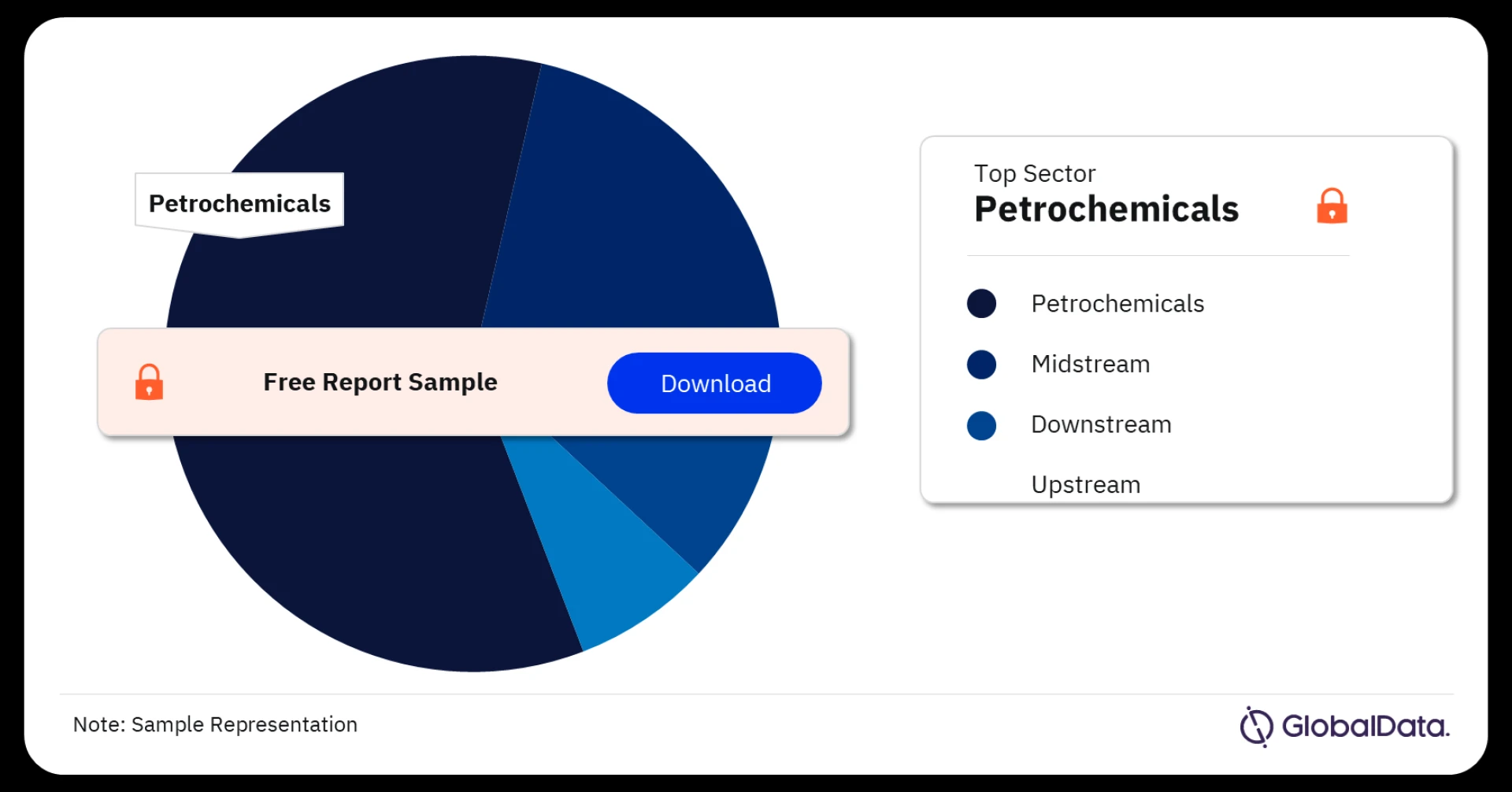
Reflecting this dominance, the Middle East is currently witnessing a project boom. According to Statista, between 2022 and 2026, nearly 600 oil and gas projects are planned for operation, with petrochemicals leading the surge at over 50%. This translates to billions of dollars invested in exploration, production, refining, and transportation infrastructure.
Shifting Tides: The Rise of Renewables and Geopolitical Realities
Despite its enduring strength, the Middle East O&G market is not immune to change. Here are some key trends shaping the project landscape:
Renewable Energy Integration: Climate change concerns and energy diversification strategies are pushing for renewables. Solar and wind projects are witnessing increased investment, with countries like Saudi Arabia and the UAE spearheading ambitious clean energy initiatives.
Geopolitical Fluctuations: Global oil price volatility and geopolitical tensions can significantly impact project timelines and investments. The ongoing Russia-Ukraine war has caused a surge in oil prices, potentially leading to renewed focus on O&G projects in the short term. However, long-term energy security concerns may push for a faster transition to renewables.
Technological Advancements: Technological advancements in areas like horizontal drilling, hydraulic fracturing, and enhanced oil recovery (EOR) are enabling the exploitation of previously unreachable reserves. These advancements will likely influence the type and scale of future O&G projects.
Project Spotlight: Diversification and Innovation
The project landscape reflects this evolving market. While traditional upstream (exploration and production) projects remain crucial, there\'s a growing focus on:
Midstream Projects: Investments in pipelines, storage facilities, and processing plants to efficiently transport and refine hydrocarbons are on the rise. This is evident in the multi-billion dollar East-West Gas Pipeline project traversing the region.
Downstream Projects: Refineries are being upgraded to meet stricter environmental regulations and produce cleaner fuels. Additionally, there\'s growing interest in petrochemical projects that convert hydrocarbons into valuable plastics and chemicals.
LNG Expansion: Countries like Qatar and Oman are expanding their LNG production capacities to capitalize on the growing global demand for cleaner-burning natural gas. This trend is expected to continue with new projects and export terminals planned across the region.
Challenges and Opportunities: A Look Ahead
The Middle East O&G project market presents a complex interplay of challenges and opportunities:
Price Volatility: The ever-fluctuating oil price poses a challenge for project financing and long-term planning.
Geopolitical Instability: Regional conflicts can disrupt supply chains, deter investments, and delay projects.
Environmental Concerns: The need to balance energy security with environmental sustainability requires innovative solutions for cleaner production and carbon capture technologies.
Despite these challenges, the region offers immense opportunities:
Untapped Potential: Significant hydrocarbon reserves remain to be explored, particularly in unconventional sources like shale oil and gas.
Strategic Location: The Middle East\'s proximity to major consumer markets in Asia, Africa, and Europe positions it as a critical energy supplier.
Technological Innovation: Embracing new technologies can optimize resource recovery, improve project efficiency, and minimize environmental impact.
The Road Ahead: A Sustainable Future for O&G Projects
The Middle East O&G project market is at a crossroads. While its hydrocarbon wealth remains a significant asset, the path forward necessitates a strategic shift. Embracing renewables, adopting cleaner technologies, and prioritizing environmental responsibility will be paramount. Here are some key considerations:
Diversification: A balanced approach that integrates renewables with efficient O&G projects will ensure long-term energy security.
Technological Collaboration: Collaboration with global technology leaders can unlock advancements in cleaner production, carbon capture, and utilization (CCU) technologies.
Investment in Human Capital: Developing a skilled workforce equipped to handle advanced technologies and sustainable practices is crucial.
Buy the Full Report for More Sector Insights into the Middle East Oil and Gas Market, Download a Free Report Sample







Sign in to leave a comment.