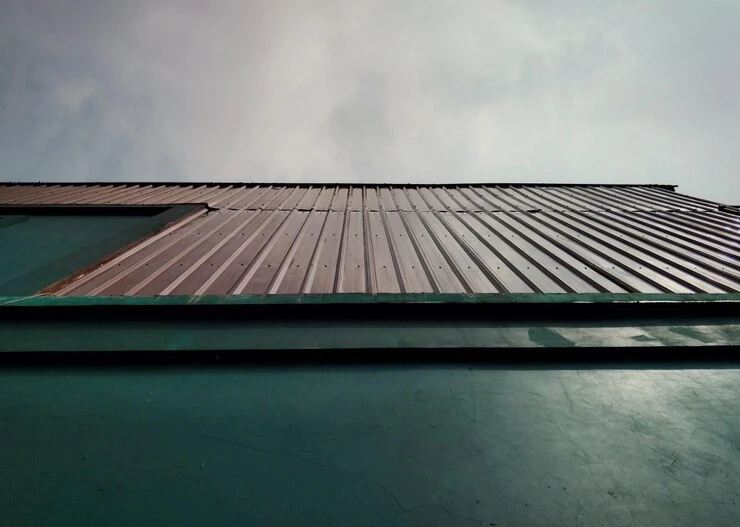

You've most likely used a wide range of materials in your construction projects throughout the years. As you are well aware, some of these materials are far more common than others. For example, until recently, zinc was not as widely utilized in construction in the United States as it is in other parts of the world. In this post, we'll go over some of the advantages of using zinc in buildings, including durability, environmental impact, and aesthetics. Let's have a look.
Environmental Benefits of Zinc
Zinc is an environmentally beneficial material for construction and design. Its green benefits can be broadly classified into three categories: the manufacturing process, its useful lifetime as a construction material, and its recyclability.
Zinc, like most construction elements, is taken from the Earth via mining operations. However, zinc has an ecological advantage over other comparable materials. Because of its lower melting point, processing zinc ore into metal requires less energy than producing copper or steel and just 25% of the energy required for aluminium. Similarly, the amount of zinc in the ground has not decreased significantly throughout time due to its use as a production ingredient.
Lifetime Duration
Zinc has another major ecological advantage in its longevity. When zinc is treated into its pure form for use in buildings, it forms a thin outer layer on its surface that shields the metal from environmental influences such as wind and rain. This patina can also shield the metal from scratches and other forms of direct physical damage because it is self-healing, keeping its attractiveness and durability.
These properties make zinc a popular choice for a range of architectural applications, particularly roofing and wall cladding. Many European countries feature houses with zinc roof sheets that were initially erected in the nineteenth century and are still in fine condition today.
Aside from the extra benefit of less maintenance, this longevity has an apparent environmental benefit in that zinc installations will survive for a long period without needing to be replaced, lowering the need for new materials. This is a clear advantage over formerly popular solutions such as asphalt shingles, which must be removed and replaced after about a decade.
Recycling
The final environmental benefit that zinc provides is that it is recyclable. This means that it may be quickly and effectively manufactured from existing materials salvaged from demolished or re-roofed structures. Indeed, zinc as a raw material is nearly 100% recyclable; but, when zinc is utilized as roofing or cladding, the figure lowers to 95%.
All of this reduces the demand for raw zinc produced through mining, which provides a significant environmental benefit over other materials with lower recyclability. Between 90 and 95% of the zinc used in the building sector is recycled. Old zinc panels or sheets will be utilized as raw material in the alloying phase of production, where they will be melted down and blended with alloying components to form new zinc sheets.
Zinc Resists Corrosion
In addition to repelling UV radiation, zinc can help prevent corrosion. Unlike iron and steel, zinc's patina may protect it from the elements, hence architects are increasingly adopting it for painting and galvanizing. Europe understood this early in the nineteenth century, which is why many of its classic roofs are still in good condition now.
Zinc Is Non-Toxic
Zinc is an antifungal agent that prevents fungus growth; therefore, mold and moss will be far less likely to form on your building's roof. Any water that runs down the roof is safe for plants. This characteristic alone makes zinc a superior choice to copper, which is fungicidal and can kill plants.
Green Material
The push for green construction materials and practices is an obvious reason to utilize zinc as a building material in your construction project: Zinc requires less energy to produce than other metals. It consumes roughly one-fourth of the energy that aluminium does and one-third of the energy that copper or stainless steel does. This energy reduction is due to zinc's lower melting point. Zinc is completely recyclable. As a result, it can be made from other recyclable materials or repurposed from demolished or reroofed structures.
Sustainable
Although zinc is not renewable, it is abundant and recyclable. Zinc is particularly advantageous because it requires far less energy to process. However, its sustainability does not stop there. Many people are unaware that zinc is the 24th most prevalent element in the Earth's crust. There are approximately 34 million tons of zinc ore reserves. With numbers like this, it's no surprise that zinc is a preferred eco-friendly material among architects and building organizations today.
Flexible
Zinc may be sliced, curved, and folded to form a variety of interesting shapes. This feature has made zinc extremely popular among architects. Many architects recognize that, while zinc is a strong material, it is also pliable, lightweight, and soft. As a result, zinc is suited for any roof pitch ranging from 5% to 90%.
Aesthetically Pleasing
One of the primary reasons for zinc's popularity is its natural beauty. It has a smooth, bright, silvery appearance that acquires an appealing mottled patina as it ages. You can also buy pre-weathered or coloured zinc if you want to be more creative or use two or more colours at once.
Takeaway
The consequences of climate change are evident, and the sector cannot remain aloof. Given that buildings account for about 40% of worldwide energy-related carbon emissions, architects must assess a project's environmental impact at all scales. In that regard, it is critical to choose high-quality items that are not only durable but also provide long-term sustainability through a circular approach. And this is why Zinc Roof Sheet is the best material to use for all your roofing needs.
Using recycled materials in a way that prevents them from being recycled again is just insufficient; the goal is to consider a building's future as well as its present. As a result, architecture must embrace the circular economy to imagine a greener future, one in which buildings may attain the universal objective of net-zero emissions and humans can live in a cleaner environment.









Sign in to leave a comment.