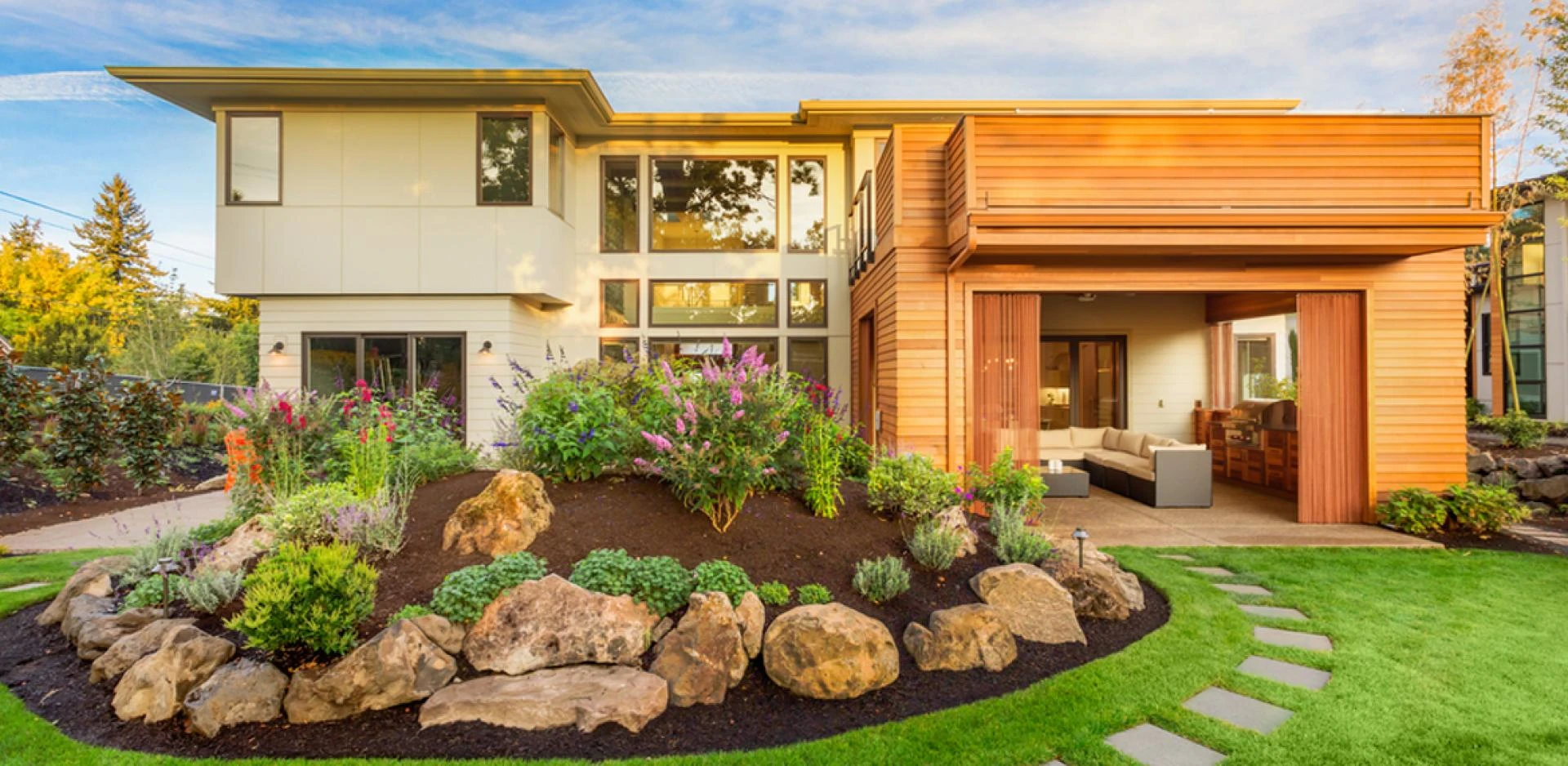

As climate change and environmental awareness continue to grow, homeowners, businesses, and communities are rethinking the way they approach landscape design and maintenance. Traditional landscaping methods—while often visually appealing—can consume excessive water, rely heavily on chemical inputs, and contribute to biodiversity loss.
In contrast, sustainable prioritise long-term ecological health, resource conservation, and environmental responsibility. But what exactly does this mean, and how does it benefit both your property and the planet?
In this blog, we’ll explore the environmental impact of sustainable landscaping services and why making the switch matters now more than ever.
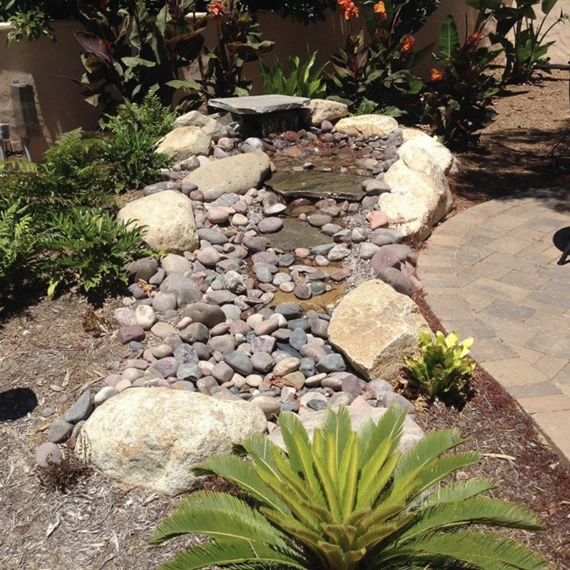
🌱 What Are Sustainable Landscaping Services?
Sustainable landscaping refers to the practice of designing, installing, and maintaining outdoor spaces in a way that minimises environmental harm and promotes ecological balance. This includes:
- Using native and drought-tolerant plants
- Reducing chemical fertilisers and pesticides
- Conserving water through smart irrigation
- Improving soil health with compost and organic matter
- Supporting local wildlife and pollinators
- Reducing waste and carbon footprint
Landscaping companies that offer these services typically follow eco-friendly guidelines and practices to ensure the space thrives with minimal ecological disruption.
🌎 Key Environmental Benefits of Sustainable Landscaping
1. Water Conservation
Every year, traditional lawns might use hundreds of liters of water. Sustainable landscaping promotes:
- Drought-tolerant planting schemes
- Mulching to retain soil moisture
- Drip irrigation systems to reduce water loss
This reduces the strain on local water supplies, especially during droughts or in arid climates.
2. Soil Health Improvement
Carbon is stored, contaminants are filtered, and plant life is supported by healthy soil. Sustainable landscaping avoids soil degradation by:
- Reducing tilling
- Adding organic compost
- Avoiding harmful chemical treatments
This nurtures a more resilient and biologically active environment under your feet.
3. Reduction of Chemical Pollution
Chemical fertilizers and herbicides have the potential to contaminate aquatic habitats and soil organisms by seeping into groundwater. Sustainable landscapers opt for:
- Organic pest control
- Natural fertilisers
- Integrated Pest Management (IPM)
These alternatives keep your garden healthy while protecting local water and soil quality.
4. Biodiversity Support
Conventional landscaping often prioritises aesthetics over ecology. In contrast, sustainable landscaping encourages:
- Planting of native species
- Creation of wildlife habitats
- Installation of pollinator-friendly plants
This supports birds, bees, butterflies, and other beneficial species vital to the ecosystem.
5. Carbon Footprint Reduction
Sustainable practices can reduce carbon emissions in several ways:
- Replacing gas-powered equipment with electric tools
- Using locally sourced materials
- Adding green infrastructure, such rain gardens and living roofs.
Even strategic tree planting helps absorb carbon dioxide and cool the environment.
🌿 Sustainable Landscaping in Urban Environments
Cities face unique environmental challenges, including heat islands, pollution, and stormwater runoff. Sustainable landscaping services in urban areas help by:
- Reducing ambient temperatures with green cover
- Filtering stormwater through permeable surfaces
- Enhancing public health and aesthetics in shared spaces
Green, well-managed urban landscapes improve quality of life and environmental resilience.
✅ How Homeowners and Businesses Can Get Started
Making the switch doesn’t require a complete landscape overhaul. Start with small changes:
- Replace part of your lawn with native plants
- Install a rainwater harvesting system
- Mulch helps to reduce irrigation while also preserving soil.
- Ask your landscaping service provider about their eco-friendly options
If you're hiring a professional, choose a company that specialises in sustainable landscaping services and can tailor solutions to your site and climate.
💡 Final Thoughts
A responsible approach to outdoor living that puts the health of the earth and beauty first, sustainable landscaping is more than simply a fad. By investing in environmentally friendly landscaping practices, you’re not only creating a beautiful outdoor space, but also contributing to a more sustainable and resilient future.
Whether you're a homeowner looking to reduce your environmental impact or a business seeking greener credentials, sustainable landscaping services offer a smart, future-forward solution that benefits both people and the planet.































Sign in to leave a comment.