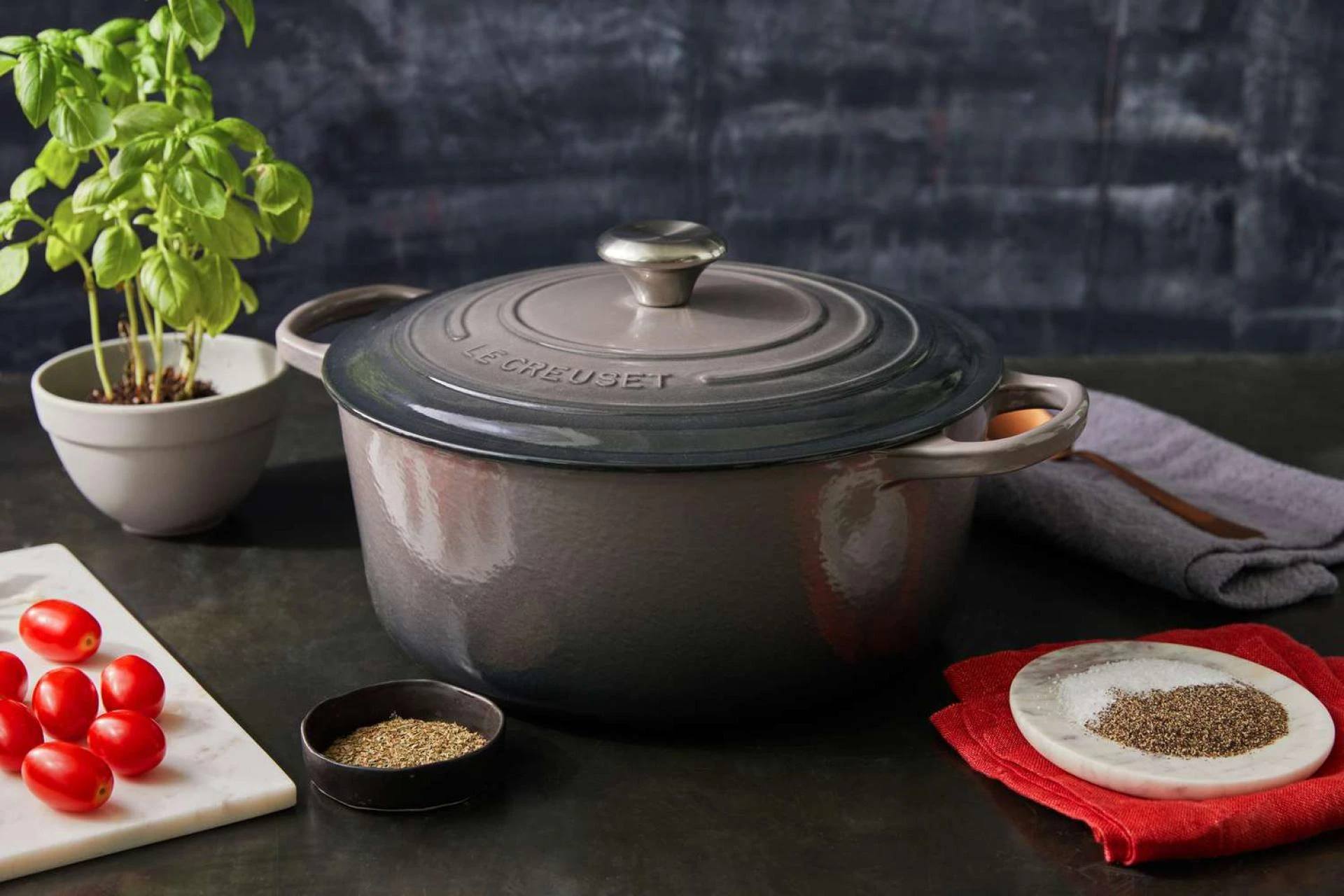
When it comes to versatile and timeless kitchen tools, few pieces of cookware match the practicality and durability of the dutch oven. Whether you’re a home cook or a culinary enthusiast, having a quality dutch oven in your kitchen arsenal can completely transform the way you prepare meals. From slow-cooked stews to perfectly crusty bread, this multi-functional pot has earned its place as a kitchen staple around the world.
In this comprehensive guide, we’ll explore what a dutch oven is, its various uses, how to choose the best one, and why it remains a must-have item in modern kitchens.
What Is a Dutch Oven?
A dutch oven is a thick-walled cooking pot, usually made of cast iron, and often coated with an enamel glaze. It comes with a tight-fitting lid designed to trap moisture and heat, making it perfect for slow-cooking, braising, baking, and roasting. Originally used over open fires centuries ago, dutch ovens have evolved into must-have kitchenware used on stovetops and in ovens alike.
The traditional dutch oven is crafted from cast iron, prized for its ability to retain and evenly distribute heat. Enamel-coated versions are popular today for their ease of use and cleaning, as well as their stylish appearance that can go from oven to table.
Key Features of a Dutch Oven
- Durability: A good dutch oven can last for decades with proper care, making it a valuable long-term investment.
- Heat Retention: Cast iron holds heat exceptionally well, allowing for even cooking and energy efficiency.
- Versatility: From soups and stews to baking bread and deep-frying, the dutch oven can handle a wide range of cooking tasks.
- Moisture Locking: The heavy lid traps steam inside, which is ideal for braised dishes and slow-cooked recipes.
- Stovetop to Oven Use: You can start cooking on the stove and then move the pot directly into the oven, thanks to its oven-safe construction.
Popular Uses for a Dutch Oven
There’s a reason professional chefs and home cooks alike swear by their dutch ovens—it’s one of the most adaptable pieces of cookware available. Here are just a few ways to put your dutch oven to good use:
1. Braising
The dutch oven excels at braising tougher cuts of meat, turning them tender and flavorful through slow, moist cooking. Dishes like pot roast, beef bourguignon, and coq au vin are classic examples.
2. Soups and Stews
Thanks to its large capacity and even heat distribution, the dutch oven is ideal for preparing hearty soups and stews that simmer for hours.
3. Baking Bread
One of the most popular modern uses for the dutch oven is baking artisan-style bread. The sealed environment helps create a crispy crust and fluffy interior without the need for a steam-injected oven.
4. Roasting
Roast chicken or vegetables come out beautifully in a dutch oven. The lid traps moisture, while the cast iron ensures even roasting.
5. Deep Frying
The pot’s high walls and excellent heat retention make it suitable for deep frying, allowing for consistent oil temperature and safer splatter control.
Choosing the Right Dutch Oven
Not all dutch ovens are created equal. Here are key factors to consider when selecting the best one for your kitchen:
1. Material
Most dutch ovens are made from bare cast iron or enamel-coated cast iron. Bare cast iron requires seasoning and regular maintenance, while enameled versions are easier to clean and don’t react with acidic foods.
2. Size
Common sizes range from 4 to 7 quarts. For most families, a 5 or 6-quart dutch oven provides a good balance of capacity and usability.
3. Shape
Round dutch ovens are the most versatile and fit well on standard burners. Oval ones are great for roasting longer cuts of meat, like pork tenderloin.
4. Weight
Cast iron is heavy by nature. Consider the weight of the pot when it’s full, especially if you’ll be lifting it in and out of the oven frequently.
5. Handles and Lid
Look for wide, sturdy handles that are easy to grip with oven mitts. A tight-fitting lid with a heat-resistant knob is essential for optimal cooking performance.
Caring for Your Dutch Oven
Proper care extends the life of your dutch oven and maintains its cooking performance:
- Enameled Dutch Oven: Let it cool before washing. Avoid using metal utensils or harsh scrubbers. Hand wash with warm water and mild detergent.
- Bare Cast Iron: Season regularly to maintain its nonstick properties. After each use, rinse, dry thoroughly, and apply a light coat of oil.
Never use your dutch oven over high heat for extended periods, as it can damage the enamel or cause food to burn.
Benefits of Cooking with a Dutch Oven
- Energy Efficient: Once heated, it holds temperature well, reducing the need for high heat.
- Flavorful Meals: Slow cooking in a dutch oven enhances flavors and tenderizes ingredients.
- One-Pot Cooking: Cut down on dishwashing by cooking everything in a single pot.
- Attractive Design: Many dutch ovens come in stylish colors and finishes, perfect for serving directly from the pot.
Dutch Oven vs. Other Cookware
While many pots and pans serve specific functions, the dutch oven offers unmatched versatility. Unlike thin stainless-steel pots, it delivers even heat and moisture retention. Compared to nonstick pans, it allows for high-heat cooking and is safe for use in ovens. It truly bridges the gap between stovetop and oven cooking.
Final Thoughts
A dutch oven is more than just a pot—it’s a tool that encourages you to slow down and savor the cooking process. Whether you’re simmering a rich beef stew, baking a crusty loaf of bread, or preparing a one-pot meal for the family, this timeless piece of cookware proves its worth again and again.
For anyone serious about cooking, owning a high-quality dutch oven is a must. Its performance, durability, and sheer range of uses make it one of the most important investments you can make in your kitchen.

























Sign in to leave a comment.