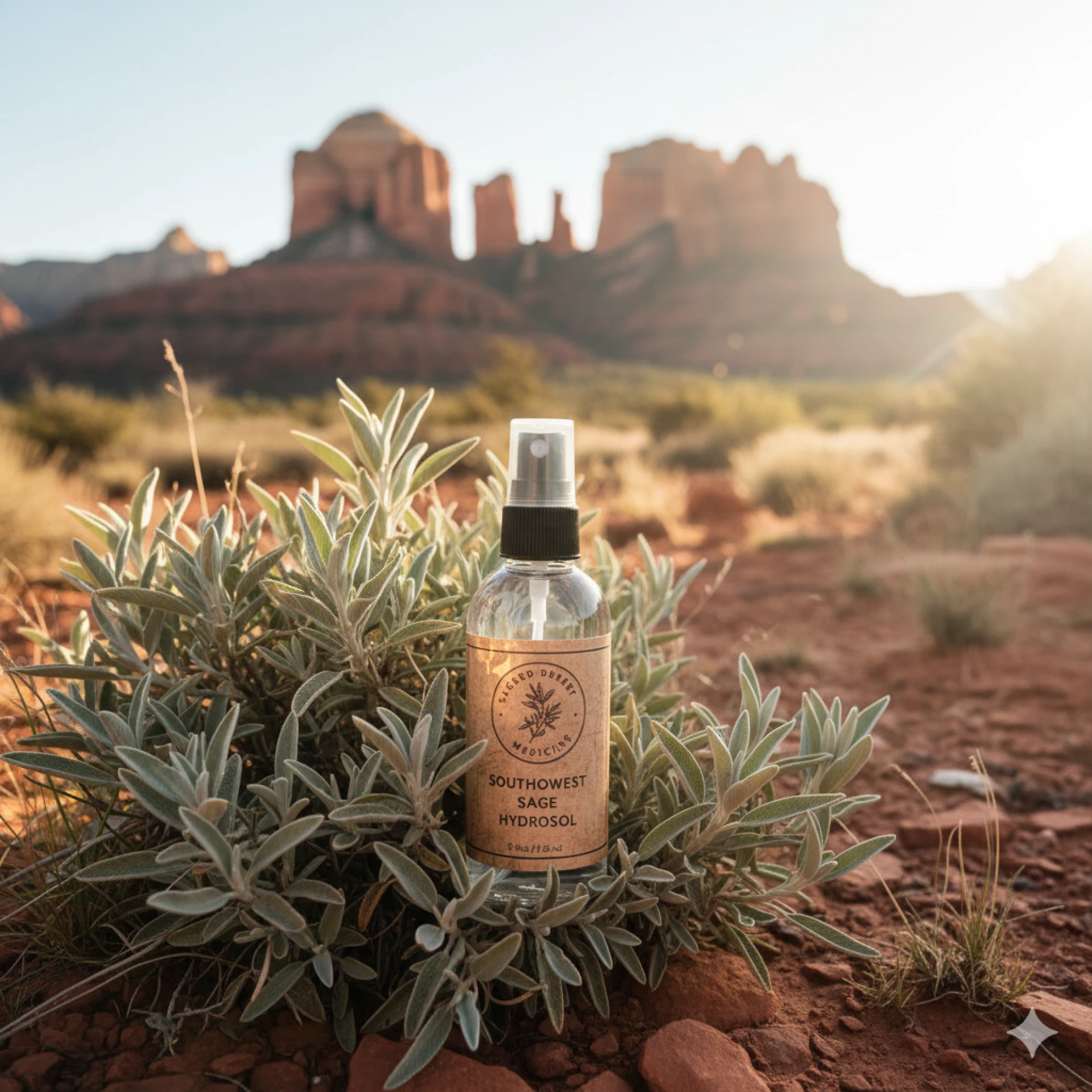

Walking through a lavender field in full bloom, surrounded by purple waves releasing their unmistakable aroma into warm summer air, creates understanding that no bottle can quite capture. While most people purchase therapeutic essential oils for healing from reputable suppliers, growing aromatic plants yourself deepens your connection to plant medicine in irreplaceable ways. Even a small garden or collection of pots can provide fresh botanicals for teas, cooking, crafts, and simple aromatherapy applications.
The reality is that producing actual essential oils at home requires specialized equipment and large quantities of plant material. Commercial lavender distillation, for example, requires hundreds of pounds of flowers to produce a single pound of essential oil. The investment in copper stills and the skill to operate them safely places true essential oil production beyond most home gardeners. However, growing aromatic plants still offers tremendous value for anyone interested in aromatherapy and natural wellness.
Fresh and dried herbs can be used in ways that provide many essential oil benefits without distillation. Herb-infused oils, created by steeping plant material in carrier oil, capture some aromatic and therapeutic compounds. These infusions work beautifully for cooking, massage oils, and skincare preparations. While chemically different from essential oils, they offer genuine therapeutic benefits and connect you directly to the growing process.
Lavender tops the list of essential oil plants suitable for home growing. Hardy in many climates, lavender thrives in full sun with well-drained soil. The plants are remarkably low-maintenance once established, requiring little water and no fertilization. You can harvest flowers for sachets, wreaths, and decorative purposes. Dried lavender maintains its scent for months when stored properly. Fresh lavender can be steeped in carrier oil to create soothing massage oil or added to baths for aromatherapy soaking.
Several lavender varieties suit different garden situations. English lavender (Lavandula angustifolia) offers the sweetest scent and best therapeutic properties. It's also the hardiest variety, surviving cold winters better than other types. Spanish lavender (Lavandula stoechas) features distinctive topped flowers but produces oil with different chemistry, less suited for therapeutic use. Lavandin (Lavandula x intermedia) grows larger and produces more flowers but has a sharper, more camphoraceous scent.
Rosemary provides year-round beauty in mild climates and survives winter indoors in cold regions. This Mediterranean native prefers sunny, dry conditions and well-draining soil. Beyond aromatherapy applications, rosemary enhances countless dishes and can be used fresh or dried. The strong scent and flavor come from essential oils concentrated in the needle-like leaves. Crushing fresh rosemary between your fingers releases volatile compounds you can inhale for mental clarity and memory support.
Peppermint and spearmint grow so vigorously they're often considered invasive. Plant them in containers to control their spread. Mints prefer moist soil and can tolerate partial shade, making them useful for spots unsuitable for sun-loving herbs. Fresh mint leaves can be added to water or tea, used in cooking, or dried for later use. The menthol content in peppermint provides cooling sensations and helps ease headaches, digestive upset, and respiratory congestion. Understanding these therapeutic properties guides appropriate use.
Lemon balm, a member of the mint family, brings citrus scent without actual citrus plants. The heart-shaped leaves release a bright, lemony aroma when brushed or crushed. Lemon balm grows easily in most climates, preferring partial shade and consistent moisture. Fresh leaves make delicious tea that calms anxiety and supports restful sleep. The plant can become invasive, so container growing or careful management prevents unwanted spread.
Scented geraniums offer diverse aromas from a single plant family. Rose-scented geranium approximates rose fragrance without the challenge of growing actual roses for oil production. Lemon geranium, lime geranium, and even chocolate-mint geranium provide surprising variety. These tender perennials grow beautifully in containers that can be brought indoors during winter in cold climates. The scented leaves can be used fresh in baking or dried for potpourri and sachets.
Chamomile exists in two common varieties: German chamomile (annual) and Roman chamomile (perennial). Both produce small, daisy-like flowers with apple-scented aromatic compounds. The flowers can be harvested and dried for tea or used fresh in facial steams. Growing chamomile connects you to one of humanity's oldest medicinal plants, used for everything from anxiety to digestive upset to skin care.
Thyme offers both culinary and therapeutic benefits. Multiple varieties provide different scents and flavors, from common thyme to lemon thyme to caraway thyme. This low-growing plant works well as ground cover in sunny areas with poor soil. Thyme contains thymol, a powerful antimicrobial compound. Fresh or dried thyme can be used in cooking, tea, or steam inhalations for respiratory support.
Creating an herb spiral maximizes growing space while accommodating plants with different needs. This vertical garden structure places sun-loving, drought-tolerant herbs like lavender and rosemary at the top where drainage is best. Herbs preferring more moisture like mint and lemon balm nestle at the bottom where water collects. The spiral design provides varied microclimates in compact space.
Harvesting aromatic plants at the right time maximizes essential oil content. Most herbs contain highest oil concentration just before flowering or during early flowering. Harvest in morning after dew has dried but before sun's heat dissipates volatile compounds. Use sharp scissors or pruning shears to avoid damaging plants. Gentle handling preserves the fragile oil-containing structures in leaves and flowers.
Drying herbs properly maintains their aromatic and therapeutic properties. Hang small bundles upside down in a warm, dark, well-ventilated space. Avoid direct sunlight which can degrade essential oils and fade color. Most herbs dry completely within one to two weeks. Once thoroughly dry, strip leaves from stems and store in airtight containers away from light and heat. Properly dried and stored herbs maintain potency for up to a year.
Making herb-infused oils brings you closest to essential oil creation without distillation equipment. Fill a jar with dried herbs (fresh herbs can introduce moisture that encourages mold). Cover completely with organic carrier oils like olive or jojoba. Let the mixture steep in a sunny window for two to four weeks, shaking daily. Strain out plant material and use the infused oil for cooking, massage, or skincare. While not as concentrated as essential oils, these infusions carry therapeutic compounds into the carrier oil.
Tinctures provide another way to extract beneficial compounds from home-grown herbs. Cover dried or fresh herbs with high-proof alcohol in a jar. Steep for four to six weeks in a cool, dark place, shaking daily. Strain and use the liquid tincture in small doses. Tinctures concentrate many of the same therapeutic compounds found in essential oils but in water-soluble and alcohol-soluble forms.
Fresh herb baths offer simple aromatherapy using home-grown plants. Fill a muslin bag with fresh or dried herbs and hang it under the bathtub faucet as water runs. The hot water releases aromatic compounds into the bath. Alternatively, steep herbs in a pot of very hot water for ten minutes, strain, and add the herb tea to your bath. This provides gentle aromatherapy exposure without the concentration of essential oils.
Teaching children about aromatic plants connects them to nature and plant medicine from early age. Let them help plant seeds, water growing herbs, and harvest leaves and flowers. Show them how to smell different plants and notice their unique scents. Include them in making herb-infused oils or drying herbs for tea. This hands-on education builds appreciation for where plant medicine comes from and encourages lifelong wellness practices.
Even apartment dwellers can grow aromatics in pots on balconies or sunny windowsills. Many herbs thrive in containers, some actually preferring the controlled conditions containers provide. A kitchen windowsill with small pots of basil, thyme, and rosemary offers both aromatherapy and culinary resources. The act of watering and tending plants provides mindfulness practice while the scents support wellbeing throughout the day.
Connecting with the energetic applications of plants becomes more intimate when you grow them yourself. You witness their entire life cycle from seed or cutting to mature plant. You notice how they respond to care, weather, and seasons. This relationship transforms plants from commodities purchased at stores into living allies you know personally. The oils or herbs you harvest carry this relationship energy into your aromatherapy practice.
While home-grown herbs can't replace professionally produced essential oils for most therapeutic applications, they offer value essential oils cannot. The connection to growing process, the seasonal awareness, the mindfulness of tending plants, the fresh scents impossible to capture in bottles, all contribute to wellness in ways beyond any single compound's chemical action. A balanced aromatherapy practice might include commercial essential oils for concentrated therapeutic use alongside home-grown fresh and dried herbs for daily connection, cooking, teas, and simple preparations. Together, they create comprehensive relationship with plant medicine that honors both traditional wisdom and modern understanding.










Sign in to leave a comment.