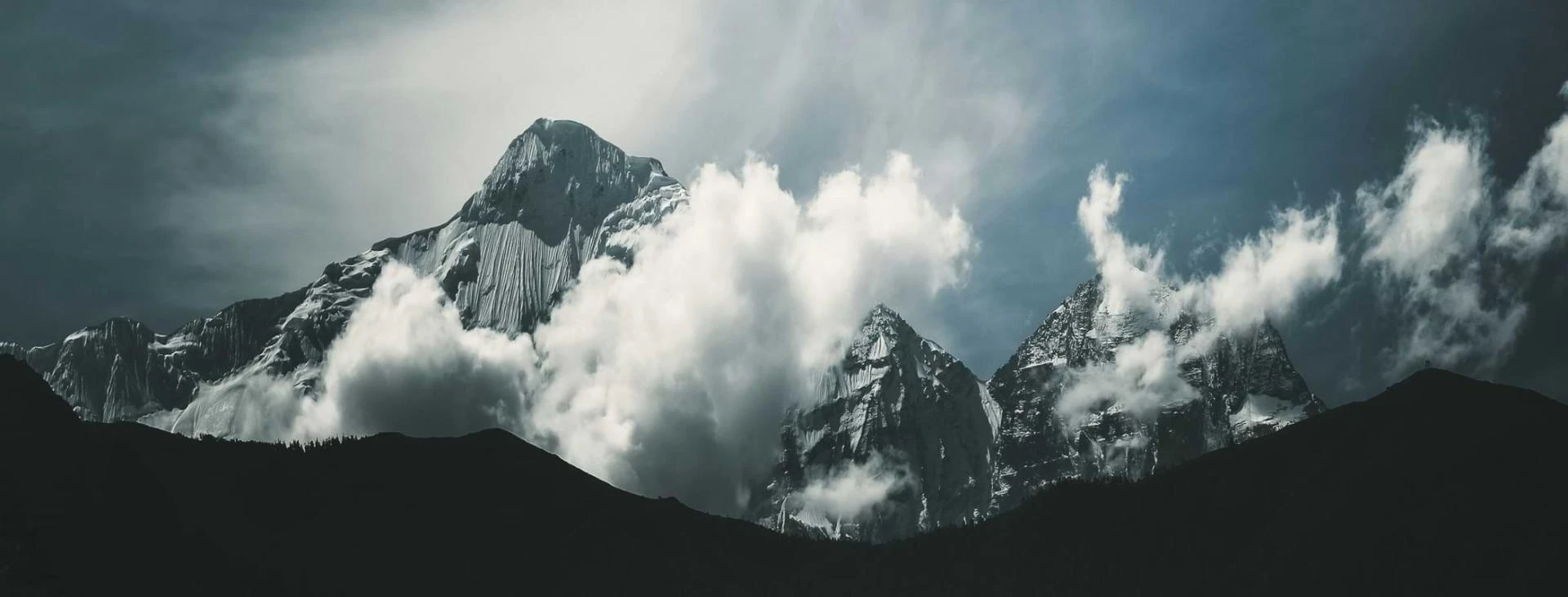

Embarking on the Everest Three Passes Trek is an adventure of a lifetime, offering trekkers the opportunity to traverse some of the most spectacular and challenging terrain in the world. In this comprehensive guide, we'll provide you with all the information you need to prepare for and complete this epic Himalayan journey.
Understanding the Route:
The Everest Three Passes Trek is a high-altitude circuit trek in the Everest region of Nepal.The trek typically takes around 16 to 20 days to complete and covers a distance of approximately 150 kilometers.The route crosses three high mountain passes: Kongma La (5,535m), Cho La (5,420m), and Renjo La (5,360m), as well as visits to Everest Base Camp and Kala Patthar for panoramic views of Everest.
Planning and Preparation
Physical Fitness: The Everest Three Passes Trek is challenging and requires a good level of physical fitness. Regular cardiovascular and strength training exercises are recommended in the months leading up to the trek.Acclimatization: Proper acclimatization is essential to avoid altitude sickness. The trek includes rest days and gradual altitude gain to allow your body to adjust to the thin air.Packing List: Essential items to pack include sturdy hiking boots, warm clothing layers, a down jacket, a sleeping bag, a high-altitude trekking backpack, trekking poles, sunscreen, sunglasses, and a first aid kit.Permits: Trekkers need to obtain permits for the Sagarmatha National Park and the Khumbu Pasang Lhamu Rural Municipality. These can be arranged through a trekking agency or obtained in Kathmandu or Lukla before starting the trek.
Trekking Itinerary:
Day 1-2: Fly from Kathmandu to Lukla and trek to Phakding and Namche Bazaar.Day 3-5: Acclimatization day in Namche Bazaar and trek to Tengboche, Dingboche, and Chhukung.Day 6-9: Cross Kongma La Pass to Lobuche, visit Everest Base Camp, ascend Kala Patthar, and trek to Dzongla.Day 10-12: Cross Cho La Pass to Gokyo via Dragnag, explore Gokyo Ri and the Gokyo Lakes.Day 13-16: Cross Renjo La Pass to Thame, and trek back to Namche Bazaar and Lukla for the flight back to Kathmandu.
Accommodation and Meals
Accommodation along the trekking route includes teahouses and lodges offering basic but comfortable rooms with shared facilities.Meals consist mainly of traditional Nepali and Tibetan dishes, including dal bhat (rice and lentils), momos (dumplings), noodles, and soups.Safety Considerations:
Altitude Sickness: Recognize the symptoms of altitude sickness and descend immediately if symptoms persist or worsen.Weather: Be prepared for changing weather conditions, including cold temperatures, wind, and snow, especially at higher elevations.Hydration and Nutrition: Stay hydrated and maintain a balanced diet to support your body's energy needs at high altitudes.
Conclusion:
Embarking on the Everest Three Passes Trek is a challenging yet immensely rewarding adventure that promises breathtaking scenery, cultural immersion, and a profound sense of accomplishment. With thorough planning, proper preparation, and a spirit of adventure, you can conquer this iconic Himalayan trek and create memories that will last a lifetime.




















Sign in to leave a comment.