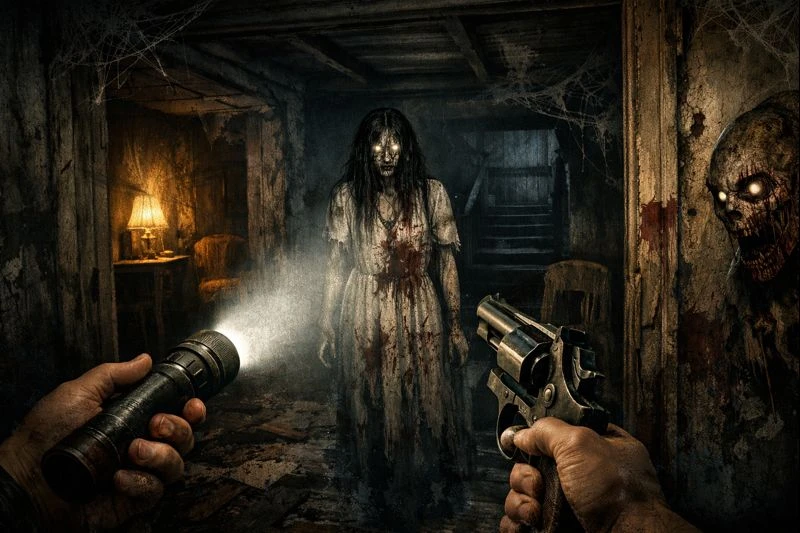

Video games have always been a powerful form of storytelling, but few genres connect with players on such a deep emotional level as horror. From sudden jump scares to slow-burn psychological tension, horror games are designed to make players feel vulnerable, alert, and completely immersed. Unlike movies, where fear is observed, horror games allow players to experience fear firsthand by placing them directly in control of terrifying situations.
This article explores how HORROR gameplay works, why it is so effective, and what makes it one of the most memorable genres in modern gaming.
What Defines Horror in Video Games?
Horror games focus on creating fear, suspense, and unease. This fear does not come from visuals alone but from a careful combination of sound, story, environment, and gameplay mechanics. The goal is not always to shock the player, but to keep them constantly on edge.
Key elements commonly found in horror games include:
- Dark and unpredictable environments
- Limited resources such as weapons or health
- Disturbing sound design and ambient noise
- Psychological tension rather than nonstop action
- A sense of helplessness or isolation
These components work together to create an experience that feels personal and intense.
The Psychology Behind Fear in Games
Horror games tap directly into the human brain’s survival instincts. When a player feels threatened, their heart rate increases and their senses sharpen. The brain struggles to separate fiction from reality, especially when the player is actively making decisions.
What makes HORROR gameplay so effective is that it forces players to participate in the fear. Instead of watching a character run away, the player must choose where to go, when to hide, and how to survive. This responsibility makes every sound and shadow feel meaningful.
The Role of Atmosphere and Environment
Atmosphere is one of the most important aspects of horror gaming. Developers carefully design environments that feel claustrophobic, abandoned, or unsafe. Flickering lights, narrow hallways, and eerie silence all add to the tension.
Good horror games rarely rely on constant scares. Instead, they use pacing to slowly build anxiety. Long moments of quiet often feel more terrifying than loud action sequences because the player never knows what will happen next.
Environmental storytelling also plays a big role. Notes, damaged rooms, and unsettling visuals help tell a story without using too much dialogue, making the experience feel more realistic and immersive.
Sound Design: Fear You Can Hear
Sound is a powerful tool in horror games. Footsteps behind you, whispers in the dark, or distant screams can be more frightening than anything you see on screen. Even silence is used strategically to make players uneasy.
Developers often use:
- Low background hums to create tension
- Sudden loud noises to trigger jump scares
- Directional audio to confuse or mislead players
These audio techniques keep players alert and emotionally invested throughout the game.
Gameplay Mechanics That Increase Tension
Unlike action games where players feel powerful, horror games often limit the player’s abilities. This design choice increases fear and forces players to think carefully.
Common mechanics include:
- Limited ammunition or defensive options
- Slow movement or stamina systems
- Puzzles that must be solved under pressure
- Enemies that cannot be easily defeated
These mechanics make survival feel earned rather than guaranteed. Every mistake matters, which raises the emotional stakes.
Psychological Horror vs. Survival Horror
Horror games are not all the same. Two popular sub-styles stand out: psychological horror and survival horror.
Psychological horror focuses on the mind. These games explore themes like guilt, trauma, and madness. Fear comes from disturbing ideas rather than monsters. Players often question what is real and what is imagined.
Survival horror, on the other hand, emphasizes resource management and physical threats. Players must survive hostile environments with limited tools. Both styles rely on strong HORROR gameplay, but they approach fear in different ways.
Storytelling in Horror Games
A compelling story can elevate a horror game from frightening to unforgettable. Many horror games use deep narratives filled with mystery, tragedy, and emotional weight. Players uncover the story piece by piece, often through exploration rather than direct exposition.
This storytelling approach keeps players engaged and encourages them to continue playing despite the fear. The desire to understand what happened can be stronger than the urge to quit.
Player Immersion and Emotional Connection
One of the biggest strengths of horror games is immersion. When done well, players forget they are playing a game. The fear feels real because the choices feel personal.
First-person perspectives are often used to increase immersion, but third-person games can be just as effective when combined with strong atmosphere and storytelling. The key is making players feel connected to the character they control.
Why Players Love Being Scared
It may seem strange that people enjoy fear, but horror games offer a safe way to experience intense emotions. Players know they are not in real danger, which allows them to enjoy the adrenaline rush.
Horror games also provide:
- A sense of accomplishment after surviving difficult moments
- Emotional release through controlled fear
- Unique experiences not found in other genres
This emotional rollercoaster is why many players return to horror games again and again.
The Impact of Modern Technology on Horror Gaming
Advancements in graphics, audio, and artificial intelligence have greatly improved horror games. Realistic lighting, detailed environments, and smarter enemy behavior make fear more believable.
Virtual reality has taken HORROR gameplay to another level by placing players directly inside the game world. While not for everyone, this technology shows how powerful immersion can be when combined with horror elements.
Challenges Developers Face
Creating a successful horror game is not easy. Too many jump scares can feel cheap, while too little action can become boring. Developers must balance fear, storytelling, and gameplay to keep players engaged without overwhelming them.
Replayability is another challenge. Once players know what to expect, fear can decrease. This is why many horror games focus on atmosphere and narrative rather than relying only on surprises.
The Future of Horror Games
The future of horror gaming looks promising. Indie developers continue to experiment with new ideas, while larger studios refine storytelling and presentation. Psychological themes, emotional depth, and player choice are becoming more important than ever.
As technology evolves, horror games will likely become even more immersive, offering deeper and more personal experiences for players.
Final Thoughts
Horror games are more than just scary entertainment. They are carefully crafted experiences that combine psychology, storytelling, and game design to create powerful emotional reactions. By placing players in control of terrifying situations, HORROR gameplay turns fear into something interactive and unforgettable.
Whether you enjoy slow psychological tension or intense survival challenges, horror games offer a unique way to experience storytelling and emotion in gaming. As the genre continues to grow, one thing is certain: horror games will keep finding new ways to scare, surprise, and captivate players.























Sign in to leave a comment.