
1. Introduction to the EBC Trek
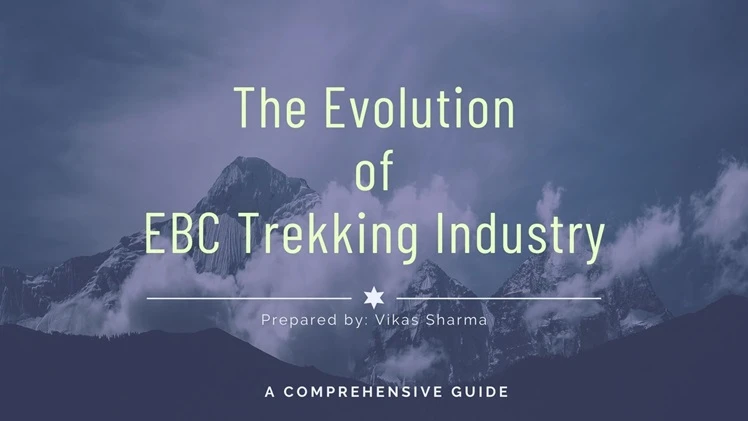
The EBC trek takes trekkers on a thrilling adventure through the stunning Khumbu region of Nepal, offering unparalleled views of the Himalayas and an immersive experience of Sherpa culture. The trek typically starts from Lukla, a small town with a scenic airport, and follows a trail that passes through picturesque Sherpa villages, suspension bridges, and rugged mountain terrain. The highlight of the trek is reaching the Everest Base Camp, where climbers prepare for their ascent to the summit of Mount Everest.
2. The Impact of COVID-19 on the Trekking Industry
Like many other industries, the trekking industry was severely affected by the global COVID-19 pandemic. Travel restrictions, lockdowns, and health concerns led to a significant decline in tourist arrivals, forcing trekking agencies and local communities to adapt and find new ways to survive. However, as the world begins to recover from the pandemic, the EBC trekking industry is slowly bouncing back, with new trends and opportunities emerging.
3. The Role of Trekking Agencies: Bikat Adventures, TTH Leading the Way
Trekking agencies play a crucial role in organizing and facilitating the EBC trek for adventurers from around the world. One such leading agency in India is Bikat Adventures, known for its expertise, professionalism, and commitment to providing exceptional trekking experiences. With their extensive knowledge of the region and experienced guides, Bikat Adventures ensures the safety and satisfaction of trekkers throughout their journey.
4. The Resurgence of Adventure Tourism
As the world adjusts to the “new normal,” there has been a noticeable shift in travel preferences. Travelers are now seeking more offbeat and secluded destinations, away from crowded tourist hotspots. This trend has led to a resurgence in adventure tourism, with the EBC trek being a prime choice for adventure enthusiasts. The allure of exploring untouched landscapes and experiencing the thrill of high-altitude trekking has drawn explorers back to the mountains.
5. Catering to Different Types of Trekkers
The EBC trek attracts a diverse range of trekkers, each with their own preferences and expectations. Trekking agencies like Bikat Adventures have adapted to cater to the distinct needs of different types of trekkers. Whether it’s providing comfortable accommodations and non-strenuous hikes for soft adventure travelers or offering challenging and offbeat trekking trails for seasoned trekkers, Bikat Adventures ensures a customized experience for every adventurer.
6. Spreading the Crowd: Sustainable Trekking Practices
One of the key challenges faced by the EBC trekking industry is managing the influx of tourists and preserving the pristine beauty of the region. To address this issue, trekking agencies and local communities are collaborating to spread the crowd across multiple trekking trails. By distributing the number of trekkers, the impact on the environment and local communities can be minimized, ensuring a sustainable and responsible trekking experience.
7. Personalized Experiences: Skewed Guide to Client Ratio
In response to the changing demands of trekkers, there has been a shift towards more personalized and intimate experiences. Trekkers now prefer smaller groups and a lower guide-to-client ratio, allowing for a more customized and immersive journey. Trekking agencies like Bikat Adventures have recognized this trend and are adapting their services to provide a higher level of individual attention and enhanced customer satisfaction.
8. The Rise of Remote Work and Digital Nomads
The concept of remote work has gained significant traction in recent years, and the COVID-19 pandemic has accelerated its adoption. This new paradigm allows travel enthusiasts to work from anywhere, including remote mountainous regions like the Khumbu Valley. As a result, hostels and homestays are becoming popular alternatives to crowded mainstream hotels, providing comfort, safety, and seamless internet connectivity for digital nomads seeking a “work from anywhere” experience.
9. Embracing Sustainability: Caring for Nature
Increased awareness about environmental conservation and the need for sustainable practices has influenced the trekking industry. Trekkers now value companies that prioritize eco-friendly initiatives and demonstrate a commitment to preserving the natural beauty of the mountains. Trekking agencies like Bikat Adventures actively promote sustainable trekking practices, such as waste management, responsible camping, and minimizing the carbon footprint.
10. Standardization and Safety Measures
To ensure customer satisfaction and safety, there is a growing demand for standardization within the trekking industry. Trekkers expect trekking agencies to adhere to minimum safety and hygiene standards, especially in the wake of the COVID-19 pandemic. Companies that successfully communicate their compliance with safety guidelines and demonstrate their commitment to customer well-being will attract more trekkers and ensure a positive reputation within the industry.
11. The Importance of the Trekking Industry for Local Communities
Unlike luxury and leisure travel, the EBC trekking industry has a significant impact on the local communities in the mountains. It serves as a source of employment for the Sherpa people, who play essential roles as trek coordinators, leaders, cooks, and porters. Additionally, trekking creates opportunities for locals to establish homestays, develop small businesses, and showcase their unique art and products. The growth of the trekking industry aligns with the concept of “Atmanirbhar Bharat,” emphasizing self-reliance and the empowerment of local communities.
12. Conclusion: The Future of EBC Trekking Industry
As the EBC trekking industry evolves and adapts to the changing landscape, it continues to offer adventure enthusiasts an unforgettable experience amidst nature’s grandeur. With the resilience and innovation of trekking agencies like Bikat Adventures, coupled with a growing desire for offbeat and sustainable travel, the future of the EBC trekking industry looks promising. As more travelers seek transformative experiences and connect with nature, the EBC trek will remain a timeless adventure that captivates the hearts of adventurers for generations to come.
In conclusion, the EBC trekking industry has weathered the storm of the COVID-19 pandemic and emerged stronger, with a renewed focus on sustainability, personalized experiences, and the well-being of local communities. With trekking agencies like Bikat Adventures leading the way, adventure enthusiasts can embark on a remarkable journey to the Everest Base Camp, immersing themselves in the beauty of the Himalayas while making a positive impact on the local community. The evolution of the EBC trekking industry is a testament to the enduring allure of adventure travel and the indomitable spirit of explorers who seek to conquer the world’s highest peaks.







Sign in to leave a comment.