
The packaging industry has experienced substantial changes over the years. New materials, technologies, and design approaches are continually reshaping how products are packaged, protected, and presented. Packaging serves more than just a functional purpose; it plays a crucial role in marketing, sustainability, and consumer safety. As consumer preferences shift, and new innovations arise, the packaging industry continues to evolve. This article explores the key trends and innovations driving the packaging industry’s transformation while incorporating important packaging materials and products like cardboard, cardstock paper, strawberry boxes, and others to illustrate the industry's future.
The Changing Landscape of Packaging Materials
The evolution of packaging materials has played a pivotal role in shaping the industry's growth. Materials like cardboard and plastic have long been staples of the packaging world, but there is an increasing push for more sustainable alternatives. Cardboard, which is primarily made from paper pulp, has become a go-to material in packaging due to its strength, lightweight nature, and recyclability. While cardboard is commonly used in shipping and retail packaging, it also finds application in more specialized products, like strawberry boxes.
Strawberry boxes, which are often made from corrugated cardboard, serve as a great example of how material choices affect the design and functionality of packaging. These boxes are ideal for delicate items like fresh produce because they are lightweight, sturdy, and help protect fruits from external pressure while still being eco-friendly. As demand for organic and fresh produce rises, so does the need for sustainable packaging, with more brands turning to cardboard and recyclable materials for their packaging solutions.
Another material gaining traction is cardstock paper. Heavier and thicker than traditional printer paper, cardstock paper is often used in the creation of high-end or custom packaging. Its ability to provide a premium look and feel makes it ideal for luxury goods, promotional packaging, and product boxes. The use of cardstock paper also lends itself well to customization, enabling brands to produce unique designs that reinforce their identity and enhance customer experience.
However, despite advancements in alternative materials, plastic is still a dominant force in packaging. The key challenge for the industry is to develop recyclable or biodegradable plastic alternatives that can maintain the strength and durability of traditional plastic without causing environmental harm.
Sustainability and Eco-Friendly Packaging Solutions
Sustainability is one of the most significant forces driving change in the packaging industry. Consumers are increasingly aware of the environmental impact of packaging waste, and as a result, brands are under pressure to adopt eco-friendly packaging solutions. This is not only a response to consumer demand but also to tightening regulations aimed at reducing plastic waste.
Brands are making significant strides to meet these demands by exploring recyclable, biodegradable, and compostable materials. For example, many products that used to rely on plastic are now being packaged in materials like cardboard or biodegradable plastics. In the case of strawberry boxes, several companies are already experimenting with plant-based materials that can safely decompose after use. These innovations aim to reduce the use of single-use plastics and provide consumers with more environmentally friendly alternatives.
Cardboard, in particular, has gained immense popularity because it is made from renewable sources and is widely recyclable. Packaging made from cardboard can often be reused or repurposed, reducing the overall environmental impact. As the demand for sustainable packaging grows, innovations in cardboard production have focused on making the material even more eco-friendly, with many companies now using recycled content to create packaging.
Moreover, the rise of digital printing technologies has enabled more sustainable customization. Previously, custom-printed packaging was a costly and wasteful process, but now brands can print directly on cardstock paper or cardboard with minimal waste. This makes the packaging not only eco-friendly but also customizable to fit the specific branding needs of different companies.
The Role of Customization in Branding
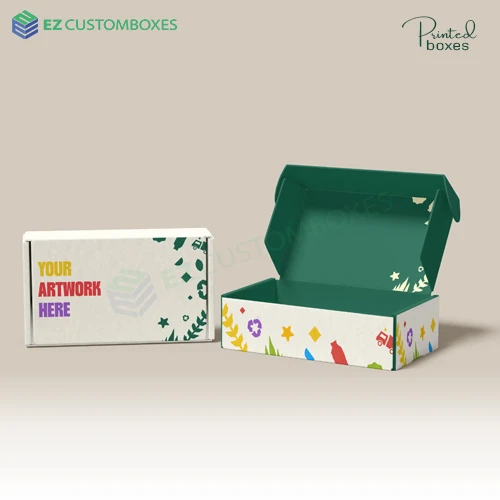
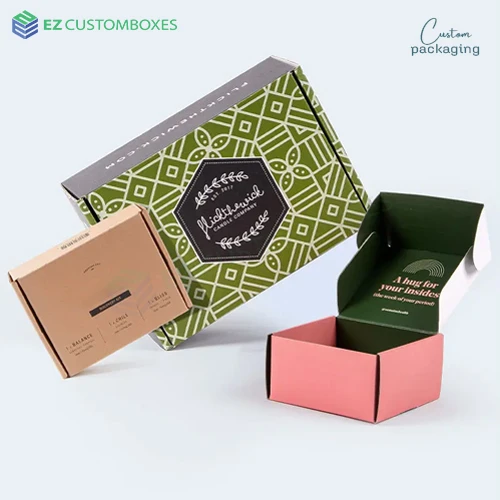
Packaging has long been considered a powerful marketing tool, and as competition in every sector intensifies, the role of packaging in branding has become more critical. Custom packaging can make a product stand out on crowded retail shelves or e-commerce platforms. The use of cardstock paper for premium packaging and cardboard for durability allows brands to create visually appealing and highly functional packages. Companies are paying more attention to the overall customer experience, and the unboxing experience has become an integral part of that.
For instance, luxury items like perfume bottles or electronic products often come in packaging made from cardstock paper, ensuring both aesthetic appeal and protection. On the other hand, products like playing cards require carefully considered playing card dimensions to ensure the packaging fits the product perfectly. Packaging companies meticulously design the box to house the playing card dimensions and ensure the packaging is compact, easy to handle, and visually appealing.
The ability to customize packaging has allowed brands to connect with consumers on a deeper level. For example, e-commerce giants are now using personalized packaging that makes the delivery feel more like an experience. This trend of "unboxing" is an integral part of modern consumer culture, and companies are investing in packaging that reflects their brand values while providing both protection and excitement.
Smart Packaging and Technological Advancements
The integration of technology into packaging is another area that’s seeing rapid innovation. Smart packaging is one of the most exciting trends in the industry, combining functionality with cutting-edge technology. Packaging companies are increasingly using Internet of Things (IoT) sensors, RFID tags, and QR codes to provide consumers with a more interactive and informative experience.
For instance, in the food industry, smart packaging can monitor temperature and humidity to ensure that sensitive products like fresh produce, dairy, or meat are kept in optimal conditions throughout transportation. Smart packaging can also be used to track the location of products, ensuring that they arrive on time and in good condition. For strawberry boxes, smart packaging can alert consumers if the product is nearing its expiration date, giving them an added layer of convenience.
In addition to product monitoring, packaging technology is also being used for marketing purposes. QR codes are commonly used on packaging, allowing consumers to scan and access additional product information or promotions. This type of smart packaging has the potential to revolutionize how products are marketed, providing consumers with personalized content and a direct link to a brand’s digital presence.
The Future of Packaging: Minimalism and Functionality
Looking toward the future, packaging is expected to become more minimalist and functional. As brands seek to reduce waste and streamline production, there is a growing focus on creating efficient and lightweight packaging that serves its purpose without excess material. Companies are turning to cardboard and cardstock paper as materials that strike the right balance between durability, aesthetics, and sustainability.
The push for minimalistic packaging extends beyond appearance. It is a part of a broader effort to reduce packaging waste and increase the functionality of materials. Packaging that can be reused or repurposed is expected to grow in popularity. For example, instead of traditional shipping boxes, some companies are experimenting with flat-packed solutions or modular designs that allow consumers to reuse the packaging in creative ways.
Moreover, the rise of e-commerce means that packaging must adapt to ensure products are shipped safely and efficiently. Innovations in cardboard box designs and playing card dimensions are making shipping easier and more sustainable. Companies are increasingly focused on reducing packaging sizes to reduce costs and minimize environmental impact.
How Much Cigarettes Are in a Pack
In most countries, a standard pack of cigarettes typically contains 20 cigarettes. This has become the industry norm, and it’s a convenient quantity for both consumers and manufacturers. Packs can vary slightly in size depending on the brand or country; for instance, some regions may offer packs with 10, 25, or even 50 cigarettes. However, the 20-cigarette pack remains the most common worldwide, allowing for easy distribution and consistent pricing. The pack's design often includes health warnings, branding elements, and other regulatory information, in accordance with national laws aimed at reducing tobacco consumption. The number of cigarettes in a pack is designed to offer a balance between consumer needs, pricing, and ease of use while adhering to global packaging standards.
What Is Cardstock Paper
Cardstock paper is a type of thick, durable paper that lies between regular printer paper and cardboard in terms of weight and stiffness. It is typically heavier than typical paper, with weights ranging from 65 lb to 110 lb (approximately 176-300 gsm). Cardstock is commonly used for projects that require sturdier materials, such as business cards, invitations, greeting cards, brochures, and packaging materials. The texture and finish of cardstock paper can vary, ranging from smooth and glossy to textured or matte. Due to its durability and versatile range of applications, cardstock paper is often chosen for both functional and aesthetic purposes, offering an elegant and professional appearance to printed materials.
Packaging Company in USA
The packaging industry in the USA is a massive sector with a wide variety of companies offering innovative packaging solutions for a range of products. From food and beverages to electronics and pharmaceuticals, packaging companies in the USA design, manufacture, and distribute packaging materials that protect products, enhance brand identity, and facilitate efficient logistics. Leading packaging companies focus on sustainability, with many adopting eco-friendly materials such as recycled cardboard, biodegradable plastics, and plant-based packaging. Notable companies in the industry include WestRock, International Paper, and Amcor, which are recognized for their high-quality packaging solutions and commitment to reducing environmental impact. As e-commerce continues to grow, these companies are also adapting their offerings to cater to direct-to-consumer packaging needs, focusing on reducing packaging waste and improving functionality.
Conclusion
The packaging industry is evolving rapidly, driven by consumer demands for sustainability, functionality, and customization. From the innovation in cardboard and cardstock paper to the rise of smart packaging and minimalism, the future of packaging looks promising. As brands and packaging companies continue to adapt, it is clear that packaging will play a more significant role not only in protecting products but also in enhancing the consumer experience and reducing environmental impact.
As we look to the future, the key to success in the packaging industry will be innovation that balances protection, sustainability, and customer engagement. The evolution of packaging is far from over, and we can expect even more groundbreaking advancements as technology and consumer preferences continue to shape the industry.










Sign in to leave a comment.