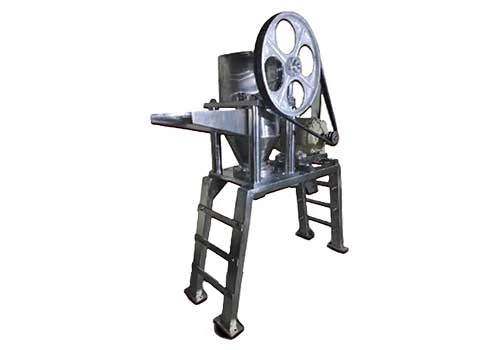

Micro Industries Sevai, a beloved South Indian delicacy, has been a staple in households for generations. This thin rice noodle, often enjoyed in both savory and sweet preparations, holds a special place in the culinary traditions of India. The journey of sevai from the hands of artisans to the modern kitchen is a fascinating tale of innovation and technological advancement. Let's explore the evolution of sevai making machine manufacturer and how they have transformed this age-old practice.
Traditional Methods: The Art of Handcrafting Sevai
In the past, making sevai was a labor-intensive process that required skill and patience. Traditionally, sevai was handcrafted using a wooden or metal press called "sevai nazhi." This press consisted of a cylindrical container with perforated plates at the bottom. Cooked rice dough was placed inside the container, and a plunger was used to press the dough through the perforations, producing fine strands of sevai.
The process did not end there. These delicate strands were then steamed to perfection before being incorporated into various dishes. While the manual method produced exceptionally flavorful sevai, it demanded considerable effort and time. This intricate process meant that sevai was often reserved for special occasions and festivals.
The Advent of Mechanical Sevai Making Machines
As the demand for sevai grew, the need for a more efficient production method became apparent. The first significant shift came with the introduction of hand-operated sevai making machines. These machines retained the basic principle of the traditional sevai press but added mechanical leverage, making it easier to press the dough into strands.
These early machines were a boon for small businesses and households, reducing the physical effort required and increasing the quantity of sevai that could be produced. However, they still required manual operation, limiting their efficiency.
Electrification and Automation: The Modern Sevai Making Machine
The real revolution in sevai making came with the advent of electric and automated sevai making machines. These modern machines have significantly transformed the production process, offering unparalleled convenience and efficiency.
Features of Modern Sevai Making Machines
Electric Operation: Modern sevai making machines are powered by electricity, which automates the pressing process. This eliminates the need for manual labor and allows for continuous production.
Adjustable Settings: These machines come with adjustable settings for controlling the thickness of the sevai strands, catering to diverse culinary preferences.
High Capacity: Industrial sevai making machines can produce large quantities of sevai in a short time, meeting the demands of commercial establishments and large families.
Durable Materials: Made from high-quality stainless steel, modern machines are durable, easy to clean, and maintain hygiene standards.
Safety Features: Advanced machines are equipped with safety features such as automatic shut-off and overload protection, ensuring safe operation.
Benefits of Modern Technology in Sevai Making
Efficiency: Automated machines can produce sevai much faster than traditional methods, making it feasible for commercial production.Consistency: Modern machines ensure uniform thickness and texture, providing a consistent product every time.Ease of Use: With simple controls and minimal manual intervention, anyone can operate these machines without specialized training.Hygiene: Stainless steel construction and easy-to-clean designs maintain high hygiene standards, crucial for food production.The Impact on Culinary Culture
The evolution of sevai making machines has had a profound impact on culinary culture. What was once a time-consuming task reserved for special occasions is now accessible to anyone at any time. This technological advancement has democratized the enjoyment of sevai, allowing people to incorporate it into their daily diets without the laborious preparation.
Moreover, the availability of high-capacity machines has enabled small businesses and entrepreneurs to enter the market, offering fresh, homemade sevai to a broader audience. This has not only preserved but also popularized traditional recipes, ensuring that the cultural heritage associated with sevai continues to thrive.
Conclusion
The journey of the sevai making machine from traditional hand presses to modern automated marvels reflects the broader trend of technological advancement in culinary tools. These innovations have made the process of making sevai more efficient, consistent, and accessible, bringing this beloved delicacy to the tables of many more people. As technology continues to evolve, we can only anticipate further improvements that will make the art of sevai making even more delightful.
The next time you enjoy a bowl of savory lemon sevai or a sweet serving of coconut milk sevai, take a moment to appreciate the centuries of innovation that have made it possible. The sevai making machine stands as a testament to how tradition and technology can beautifully coexist, enriching our culinary experiences.
Micro Industries is India's leading manufacturer of sevai making machine. You can contact them for further information regarding the sevai making machine at










Sign in to leave a comment.