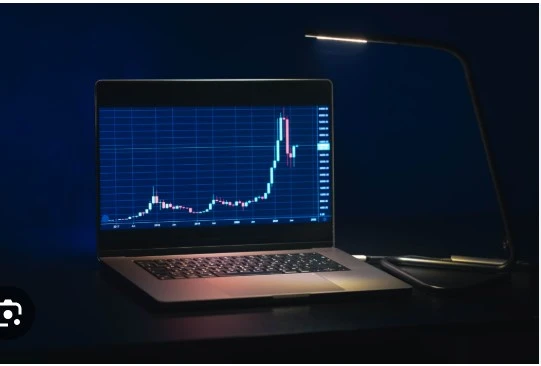

In the modern financial and insurance sectors, technology has reshaped the way investors approach trading, risk management, and portfolio diversification. Among the most critical innovations is the fx trading platform, which provides users with a sophisticated interface to trade currencies, analyze market data, and manage risk efficiently. This article explores the structure, benefits, challenges, and future trends of fx trading platforms, offering insights for both professional and retail investors.
Understanding the fx trading platform
An fx trading platform is an online system or software that allows users to execute foreign exchange trades in real time. It acts as a bridge between the investor and the global currency markets, providing access to live prices, trade execution, account management, and analytical tools.
Key features of an fx trading platform
- Real-time price updates: Investors can monitor multiple currency pairs with continuously updated rates, enabling timely trading decisions.
- Order execution: Market, limit, and stop orders can be placed efficiently through the platform, ensuring trades are executed according to user instructions.
- Analytical tools: Platforms often include technical charts, indicators, and historical data, allowing traders to perform both technical and fundamental analysis.
- Risk management functions: Features such as stop-loss, take-profit, and margin calculators help users manage potential losses effectively.
Accessibility and user experience
Modern platforms are designed for multiple devices, including desktop, mobile, and web applications. This allows investors to trade anytime and anywhere. Many platforms also offer demo accounts, enabling beginners to learn trading strategies without financial exposure.
Types of fx trading platforms
The diversity of fx trading platforms caters to different trading styles, investment goals, and levels of expertise.
Exchange-based platforms
These platforms are regulated by official exchanges and provide high transparency, liquidity, and security. They are generally preferred by institutional investors seeking reliable execution and compliance with market standards.
Broker-based platforms
Broker-based platforms serve retail traders and provide access to a wide range of currency pairs, leverage options, and educational resources. They facilitate trades by connecting clients with liquidity providers and typically earn revenue through spreads or commissions.
Automated or algorithmic platforms
Some fx trading platforms allow for automated trading using pre-defined strategies and algorithms. High-frequency traders and data-driven investors benefit from these platforms, which execute trades automatically based on market conditions.
Factors to consider when selecting an fx trading platform
Choosing the right platform is essential for maximizing efficiency and minimizing risk.
Regulatory compliance and security
Investors should select platforms regulated by reputable authorities, as these platforms often maintain segregated accounts to protect client funds and comply with legal standards.
Cost structure
Fees, spreads, and margin requirements fx trading platform vary across platforms. Traders should evaluate these costs in relation to their trading frequency and strategy to ensure cost-effectiveness.
Technology and customer support
Platform reliability, server stability, and fast order execution are critical factors. Additionally, responsive customer support, educational materials, and regular software updates enhance user experience.
Potential risks in using an fx trading platform
While fx trading platforms provide efficiency and accessibility, they also carry risks that require careful management.
Market volatility
Foreign exchange markets are highly volatile. Exchange rates can fluctuate sharply due to economic reports, geopolitical events, and central bank decisions. Traders must actively monitor the market and use risk management tools effectively.
Technological and cybersecurity risks
System failures, delays, or security breaches can impact trading outcomes. Choosing a platform with a strong technological infrastructure and implementing best practices in cybersecurity are vital.
Leverage risks
Many platforms offer leverage to increase potential returns, but it also magnifies losses. Investors should assess their risk tolerance and use leverage cautiously.
Best practices for using an fx trading platform
Proper strategy and risk management are essential to optimize trading outcomes.
Account monitoring
Traders should regularly review open positions, balances, and trade histories to identify any issues early and make informed adjustments.
Diversified strategies
Diversifying currency pairs, combining technical and fundamental analysis, and managing risk through stop-loss orders can reduce exposure to specific market movements.
Continuous learning and professional guidance
Attending training sessions, consulting financial advisors, and staying informed about market trends can enhance trading skills and decision-making.
Future trends in fx trading platforms
Technology continues to shape the evolution of fx trading platforms, offering innovative solutions for traders.
Mobile and digital integration
Mobile trading applications will continue to improve, offering real-time analytics, charting, and trading capabilities. Enhanced user interfaces and mobile optimization will make trading more efficient and convenient.
Artificial intelligence and machine learning
AI is increasingly used to provide predictive market insights, automated trade execution, and personalized trading strategies. These tools enhance efficiency and reduce the cognitive load on traders.
Blockchain and digital currency adoption
Blockchain technology and digital currencies are poised to transform fx trading by improving transparency, settlement speed, and security. Future platforms may seamlessly integrate fiat and digital currencies, creating new opportunities for global trading.
Conclusion
An fx trading platform plays a pivotal role in modern financial markets, providing investors with the tools necessary to trade currencies efficiently, manage risk, and access global opportunities. By choosing a reliable and regulated platform and applying strategic risk management practices, investors can navigate the complexities of foreign exchange markets successfully. As technology advances with AI, blockchain, and mobile integration, fx trading platforms will continue to evolve, offering more sophisticated, flexible, and secure solutions for both individual and institutional investors.




Sign in to leave a comment.