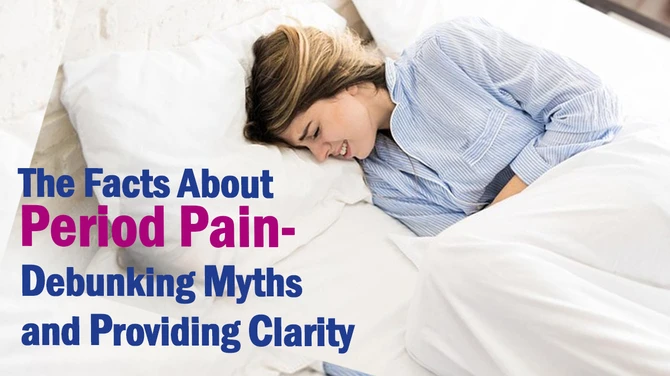

Menstruation is an important part of every woman's reproductive cycle. Although this is common, the pain and other symptoms that accompany it can be extremely uncomfortable for some people. This pain, also known as dysmenorrhea, can range from mild to severe in certain women. However, there are various myths and misconceptions around the same subject. In this blog, we dispelled misconceptions to provide clarity so that every woman understands her body and the natural process she goes through every month. Women of all ages must comprehend the intricacies of this common but sometimes shattering experience. Understanding period discomfort is the first step toward coping with it successfully.
The intensity of period discomfort reduces with age, according to a widespread misconception that is often passed down from generation to generation. This is only true for some women, as not everyone has pain relief as they age. In addition, the severity can vary from one age to the next. As a result, there is no set level of pain severity, and any underlying medical condition may exacerbate it. Women should not be subjected to this delusion, as many feel that as they age, their suffering will reduce.
For patients who are in terrible agony, pain medications are useful. However, some women do not get relief from these period pain relievers, which could be harmful. Period pain remedies for women can vary based on the underlying cause. This can include changes in diet and lifestyle like limiting smoking, alcohol and caffeine. In the event of a medical problem, some circumstances may necessitate surgery.
Many elders assume that painful periods are normal and should not be discussed. This creates a disparity and lowers the value of the pain endured by women, resulting in poor treatment and care. Mild pain combined with other symptoms is typical, but severe pain is uncommon. If uterine fibroids and endometriosis are not present, a doctor should investigate the reason for the chronic pain.
While hormonal control measures, such as birth control, can help some women regulate their menstrual cycles and reduce pain, it's important to understand that they may not be wonderful for everyone. Choosing such approaches should be a deliberate decision that takes into account individual health situations and preferences. There are non-hormonal alternatives that work with period pain, and they should be explored before committing to hormonal interventions.
Regular exercise, a well-balanced diet, and adequate hydration are all important factors in reducing menstruation discomfort. Furthermore, heat therapy, a time-tested cure, can provide natural relief without disrupting hormonal balances. Adopting a holistic strategy that incorporates these tactics results in a more individualized and long-term solution to period pain, empowering individuals to make educated decisions that are in line with their well-being.











Sign in to leave a comment.