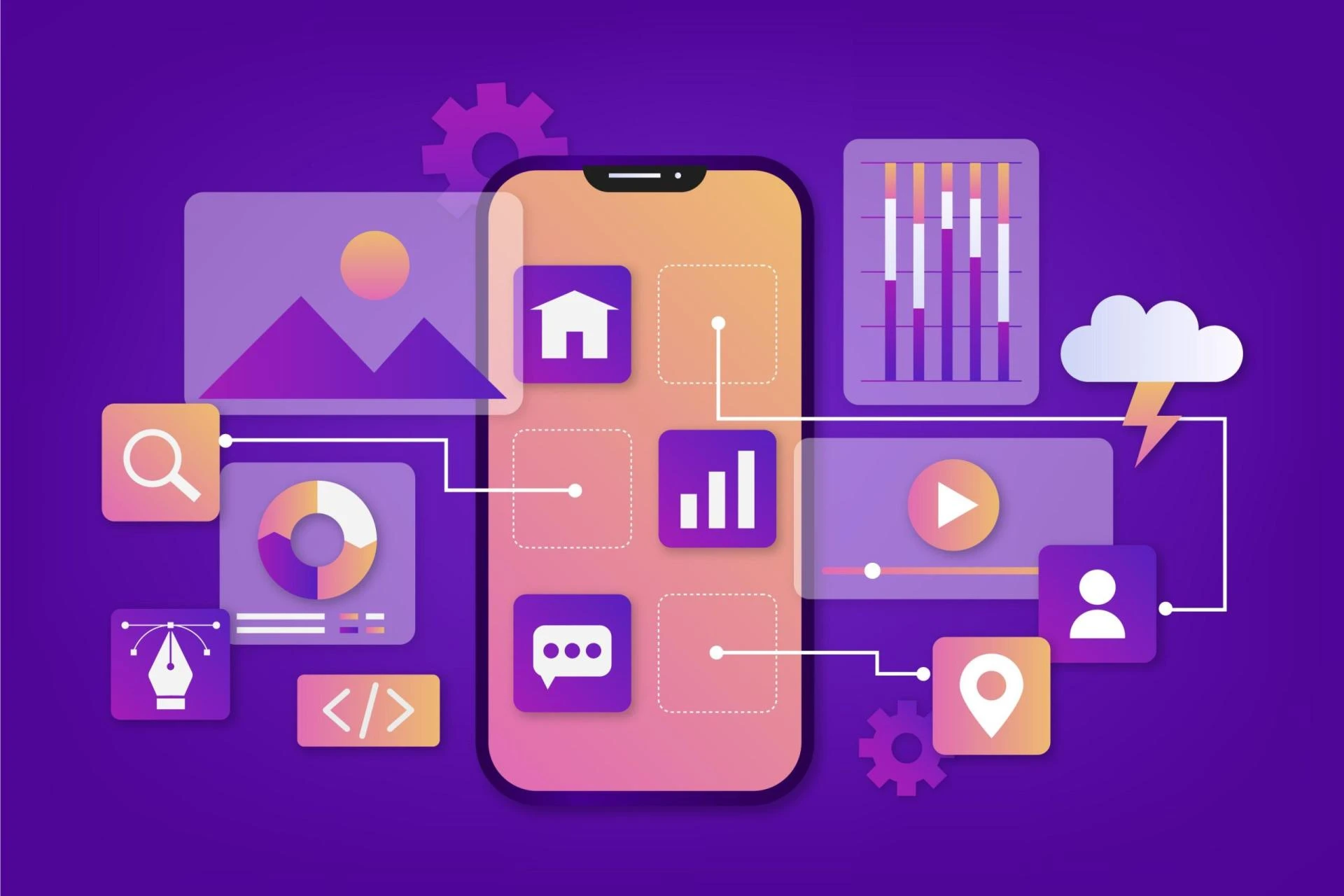

The world’s two major app stores - Apple’s App Store and Google Play Store have collectively accumulated more than 4.2 million applications. This gargantuan number is a reflection of people’s preoccupation with mobile apps. On average, people spend an average of 3 hours and 15 minutes on their mobile devices every day, out of which 85 per cent of their time is consumed using mobile apps.
So, long story short, mobile applications present immense demand and opportunities for businesses. If you are an enterprise aiming to make it big, hopping on the mobile app development route can be a game changer. However, it is quite understandable if the nitty-gritty of mobile apps, including their ideation and execution, intimidates you. In this blog, we will delve into the fundamentals of mobile app development and demystify the phenomenon, especially for those unfamiliar with the domain.
What is Mobile App Development?
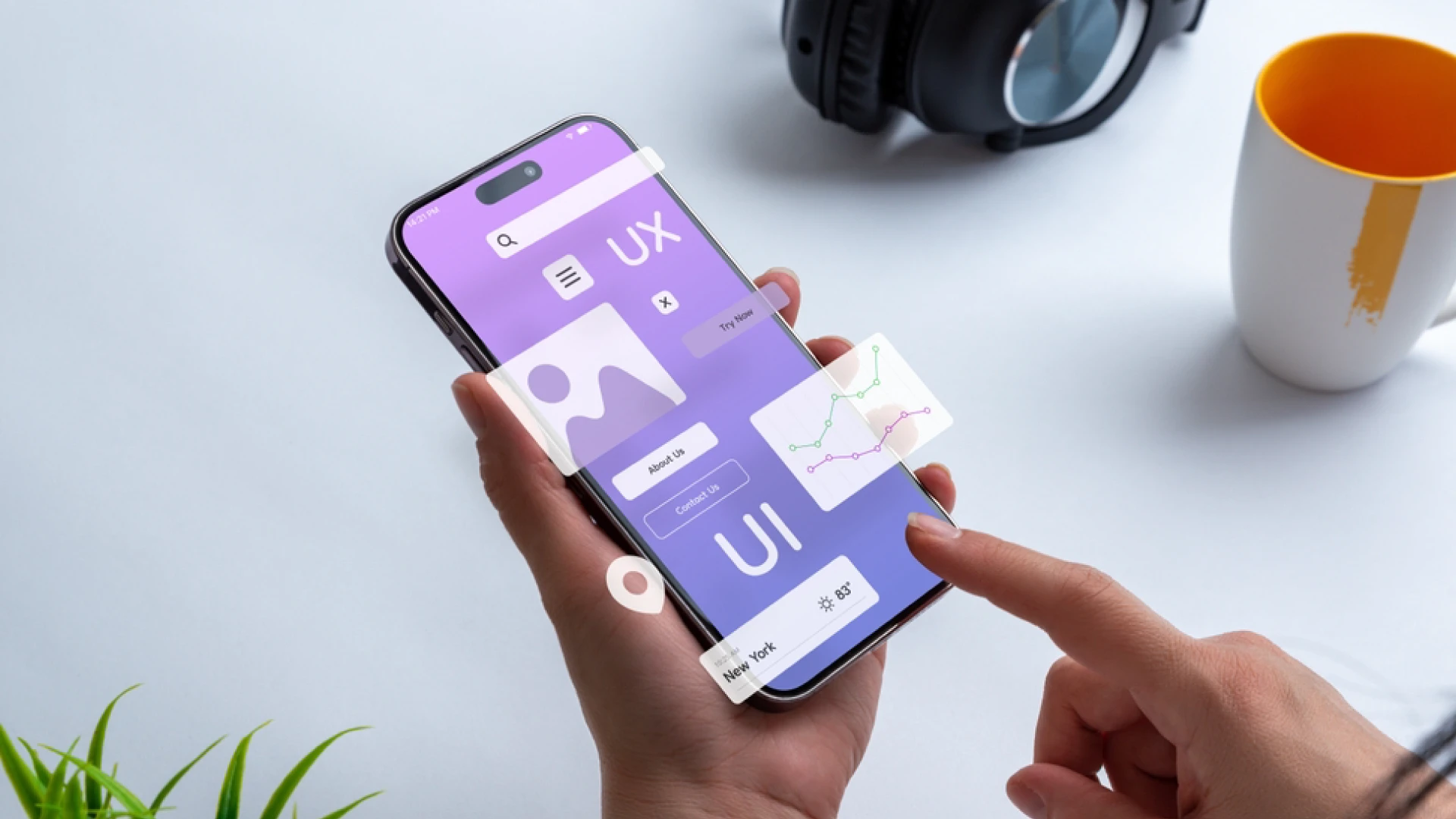
To put it simply, developing software apps for smartphones and tablets is known as mobile app development. The process encompasses an array of tasks, such as designing the user interface, coding functionality, testing, and ensuring a seamless post-launch experience. Mobile app development also has two major facets - frontend and backend. The frontend team focuses on the user interface to ensure a visually appealing and user-friendly experience for people. On the other hand, backend developers handle the server-side components that power the app, such as managing databases, servers, and other behind-the-scenes components.
Now that we have touched on the definition of mobile app development, let us understand its types.
Types of Mobile App Development
Mobile app development is a dynamic terrain with different approaches to building apps based on your business’s goals, target audience, and development resources. The main types of mobile app development are -
Native App Development
Native app development is the process of devising a software program for use on a specific platform or device. As native apps are ‘developed’ for usage on a particular device and operating system, they have the ability to co-opt device-specific hardware and software.
Native apps are known to offer optimized performance and also leverage the latest technology. Some of the best examples of applications built on Native are Facebook, Instagram, Walmart, and more.
Cross platform App Development
Cross platform mobile app development is the rather new-age method of creating an application that works on several platforms. It is done by using tools like Flutter, React Native, Xamarin, etc, wherein the apps are created to be deployed both on Android and iOS. Cross-platform applications use frameworks such as React Native, Xamarin and Flutter.
Cross-platform app development is less time consuming and budget-friendly, and thus, excellent for start-ups. However, there is an impending risk of the quality of the app being compromised, as it is difficult to tailor it for multiple platforms. Besides, cross-platform or hybrid apps also need an additional abstraction layer when running, thereby increasing the scope for a lethargic performance.
Hybrid App Development
Hybrid apps are an amalgamation of both native and web solutions. Thus, hybrid app development entails building an application with a single project using a framework, which can target all the required platforms - Android, iOS, Windows, and more.
Hybrid app development is incredibly appealing, and has taken the world of developers by storm, as they can create a single code base that is usable for an app on all platforms. Keeping aside certain aspects of the application, such as the main UI, developers only have to write the code once, and it can be reused when developing the app for any other target platform.
Progressive Web Apps (PWAs)
Simply put, Progressive Web Apps (PWAs) can be defined as web applications that combine the functionality of a native mobile app while being accessible via a web browser. They are built using standard technologies, such as HTML, CSS, and JavaScript, and are designed to be compatible across various devices and platforms.
Progressive web apps are developed using a much larger web ecosystem, plugins and community. Furthermore, they come with a much greater ease of deploying and maintaining a website as compared to a native application. Thus, many describe PWAs as websites on steroids due to the astounding performance these hybrid platforms offer.
Low Code or No Code App Development
It is an app development mechanism with minimal coding. The mechanism is great if your business is on a budget crunch and wants to devise a basic app with bare minimum coding requirements, something that can be handled in-house.
After reviewing mobile app development types, let us wrap up the article by understanding how a mobile app is priced.
Pricing of a Mobile App - The Basics
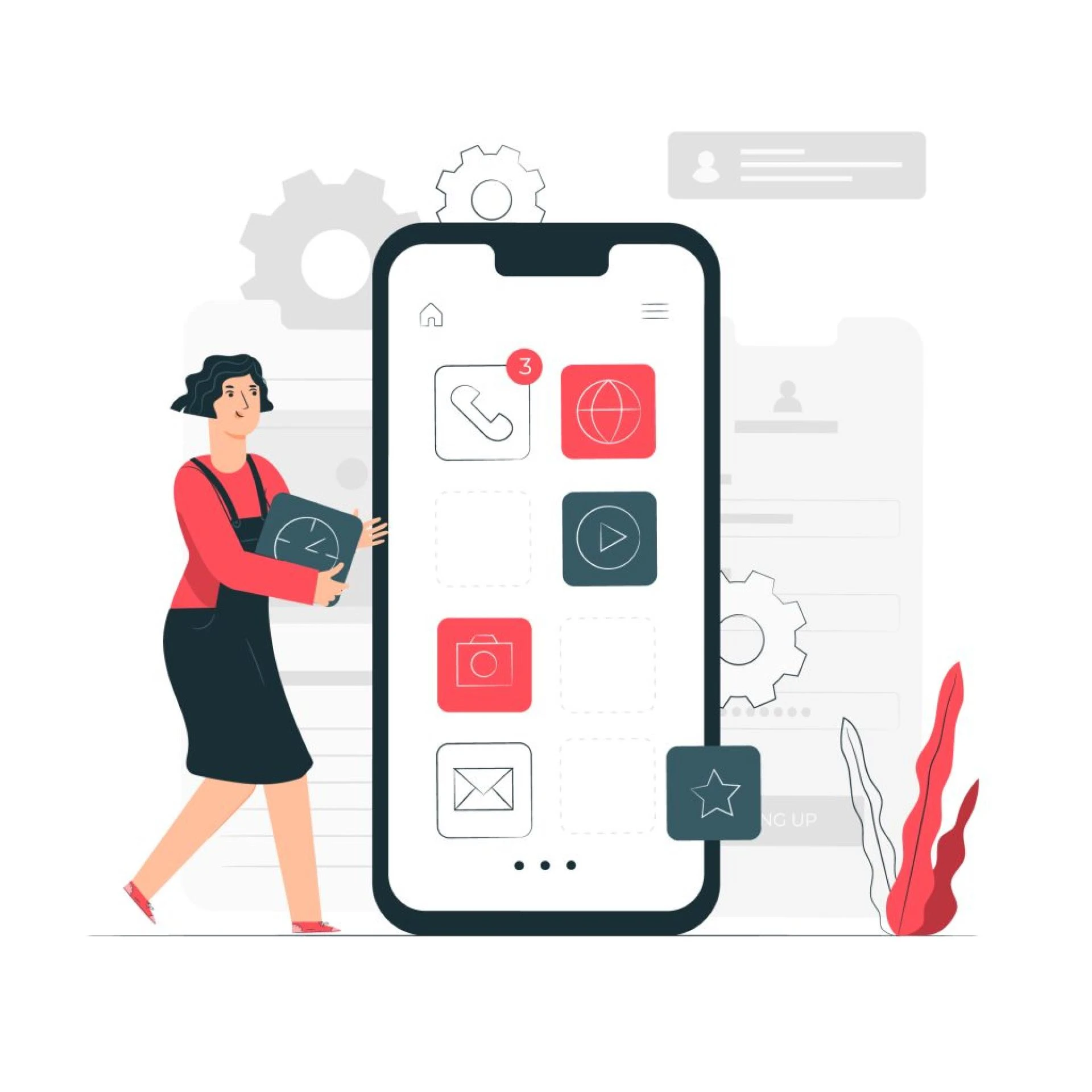 The pricing of a mobile app is based on several aspects, including -
The Choice of Technology
Choosing the app development process determines how budget-friendly or expensive it would be to build an app. There are multiple options, such as native apps (for iOS and Android), multiplatform apps, web apps, etc. The choice you make affects the cost.
Time to Market
If you want to develop and launch an app urgently, then developers have to work overtime. This increases the app development cost. However, you can save some money if you are not in a rush.
Quality and Design
Elevating the visual appeal and interactivity of your app comes with a price. Every intricate detail you inculcate into the app, from custom icons to animations, demands more time, effort, and cost.
Functionalities
Every feature you want in your app can bolster the cost. For example, a simple email and password login is cheaper than integrating social network logins such as Facebook or Twitter. So, the more advanced features you aim to infuse in the app, the higher will be the cost.
Marketing and Promotion
Simply launching an app is not enough. You also have to get the word out. Marketing and App Store Optimization (ASO) also impacts the cost of the app development process.
App Store Fee
Last but not least, there are fees to publish your app on Google Play Store and Apple’s App Store. Google levies a one-time payment, whereas Apple charges annually.
Wrapping It Up
So, there we have it, a crisp overview of the fundamental pillars of mobile app development.









Sign in to leave a comment.