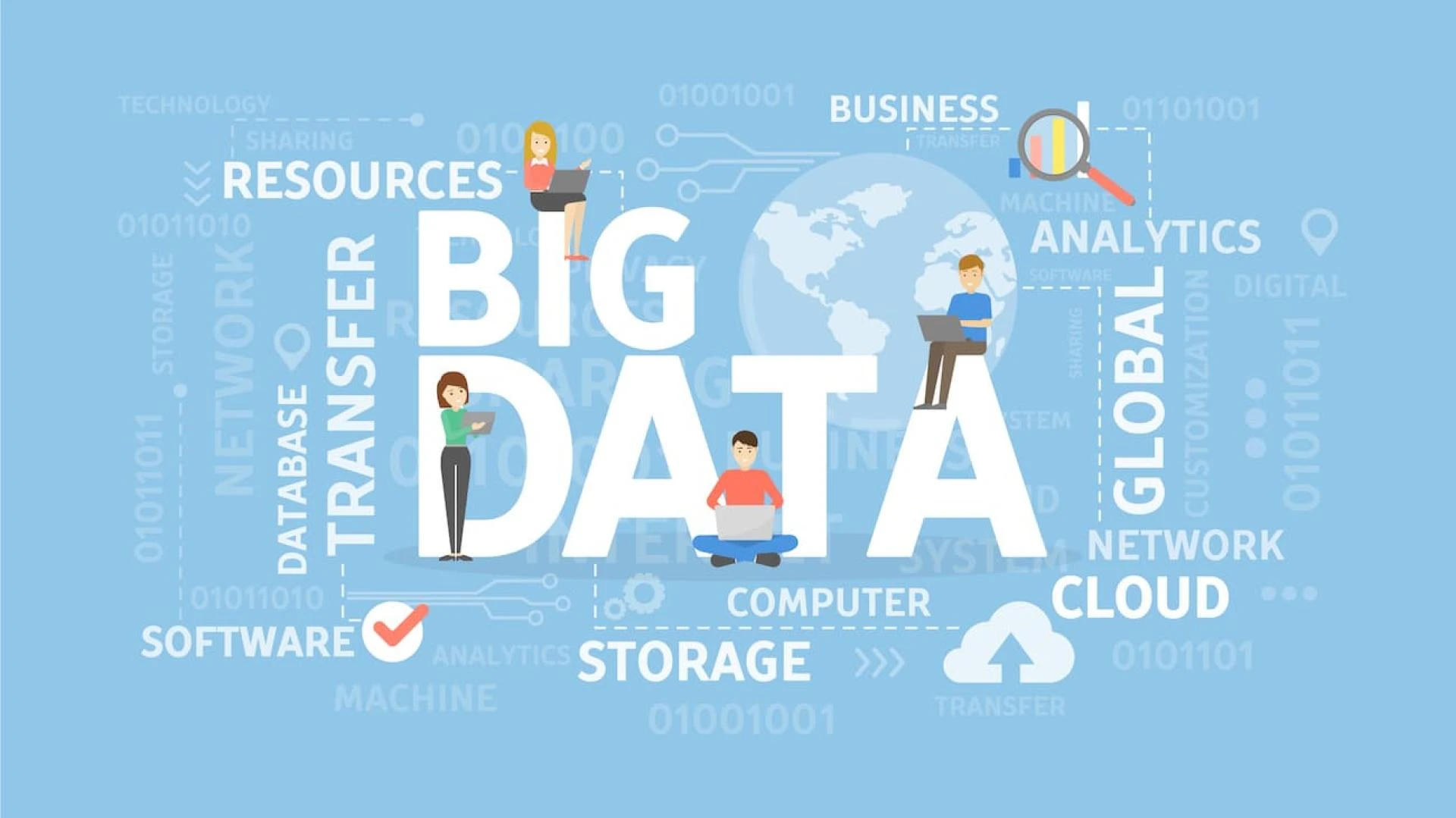

The convergence of Big Data Analytics and Cloud Computing has become a transformative force for businesses worldwide. As organizations increasingly migrate their data infrastructure to the cloud, staying ahead of the curve is imperative. This article delves into the intricacies of five pivotal trends that are reshaping the future of Big Data Analytics in the realm of Cloud Computing.
1.Real-time Analytics: The Need for Instantaneous Insights
The demand for real-time analytics has never been more pressing. Cloud-based Big Data Analytics solutions are undergoing a paradigm shift to provide instantaneous data processing and analysis capabilities. With the advent of cutting-edge cloud infrastructure, organizations can now glean actionable insights from massive datasets in mere seconds. This trend is revolutionizing decision-making processes, allowing businesses to respond swiftly to market changes and gain a competitive advantage.
Real-time analytics not only empowers organizations to make informed decisions on the fly but also enhances customer experiences. For instance, e-commerce platforms can use real-time data analytics to personalize recommendations for users as they browse, leading to increased engagement and higher conversion rates. Cloud providers such as Amazon Web Services (AWS) and Microsoft Azure are at the forefront of offering real-time analytics solutions, enabling businesses to harness the power of instantaneous insights.
2. Machine Learning and Artificial Intelligence Integration: Unleashing Predictive Power
The fusion of Big Data Analytics with Machine Learning (ML) and Artificial Intelligence (AI) is propelling data analytics into uncharted territories. Cloud platforms are now equipped with seamlessly integrated ML and AI services, enabling businesses to unlock valuable insights automatically. This integration is a game-changer for predictive analytics, empowering organizations to forecast trends with unprecedented accuracy. As a result, data-driven decision-making is becoming more sophisticated and informed.
Machine Learning algorithms can analyze vast datasets at speeds unattainable by traditional methods, identifying patterns and anomalies that humans might overlook. Cloud-based ML services, such as Google Cloud's AI Platform and Azure Machine Learning, provide scalable and efficient frameworks for deploying machine learning models on large datasets. This trend not only streamlines the analytics process but also opens up new possibilities for automation and innovation across various industries.
3.Serverless Computing for Unmatched Scalability
Serverless computing is emerging as a cornerstone in the evolution of Big Data Analytics. Cloud service providers offer serverless solutions that automatically scale resources based on demand, optimizing both performance and cost-effectiveness. This trend liberates organizations from the intricacies of infrastructure management, allowing them to focus their efforts on analytics rather than system maintenance. The result is unparalleled scalability, making serverless computing an integral component of the modern analytics ecosystem.
Serverless computing, often associated with Function as a Service (FaaS), allows organizations to execute code in response to events without the need for managing servers. This approach not only reduces operational overhead but also ensures optimal resource utilization, aligning computing costs with actual usage. AWS Lambda and Azure Functions are examples of serverless computing services that seamlessly integrate with Big Data Analytics frameworks, offering a scalable and cost-effective solution for processing vast amounts of data.
4. For Decentralized Processing: Proximity Matters
As the volume and velocity of data continue to surge, the need for decentralized processing, particularly at the edge of the network, has become apparent. Edge computing, in conjunction with cloud-based analytics, enables organizations to process data closer to its source. This not only reduces latency but also enhances overall efficiency. The significance of this trend is particularly evident in applications requiring real-time processing, such as those involving Internet of Things (IoT) devices.
Edge computing is a paradigm shift that acknowledges the limitations of centralized cloud processing, especially in scenarios where low latency is critical. By moving computational processes closer to the data source, organizations can achieve faster response times, making edge computing ideal for applications like autonomous vehicles, smart cities, and industrial IoT. Cloud providers, including AWS Greengrass and Azure IoT Edge, offer solutions that seamlessly integrate edge computing with cloud-based analytics, providing a comprehensive approach to data processing.
5. Enhanced Data Security and Privacy Measures: Safeguarding the Digital Realm
In cloud-based Big Data Analytics, ensuring the security and privacy of sensitive information is paramount. Cloud service providers are making substantial investments in advanced security measures, including robust encryption, granular access controls, and adherence to stringent compliance certifications. This focus on security is instrumental in building trust among businesses and end-users alike, fostering the continued adoption of cloud-based analytics solutions.
Data breaches and cyber threats are persistent challenges in the digital landscape, and the stakes are higher when dealing with vast amounts of sensitive data. Cloud providers employ a multi-layered approach to security, encompassing network security, identity and access management, and data encryption. Compliance certifications such as ISO 27001 and SOC 2 provide assurance that cloud providers adhere to industry-standard security practices. As organizations increasingly rely on cloud-based Big Data Analytics, robust security measures are non-negotiable to mitigate the risks associated with data breaches and unauthorized access.
Conclusion:
In conclusion, the future of Big Data Analytics in Cloud Computing is undergoing a metamorphosis driven by transformative trends. The integration of real-time analytics, machine learning, serverless computing, edge computing, and enhanced security measures paints a picture of a dynamic and evolving landscape. Businesses that embrace and adapt to these trends are not merely staying relevant—they are positioning themselves at the forefront of innovation in the data-driven era. This holds particularly true for organizations seeking a leading edge in the tech industry, making it imperative for them to collaborate with a top-tier Custom Software Development Company in USA. Such partnerships can ensure the seamless implementation of these cutting-edge trends, enabling businesses to harness the full potential of Big Data Analytics within the framework of Cloud Computing.
Reference / Resources Links:
AWS Big Data AnalyticsAzure AnalyticsGoogle Cloud - Big Data and Machine LearningIBM Cloud AnalyticsSecurity Best Practices for Cloud ComputingCloud and DevOps Services in USAThese resources collectively offer a comprehensive toolkit for organizations venturing into the realm of Big Data Analytics in Cloud Computing. From choosing the right cloud provider to implementing security best practices, these references serve as valuable guides for navigating the evolving industry of data analytics in the digital age.








Sign in to leave a comment.