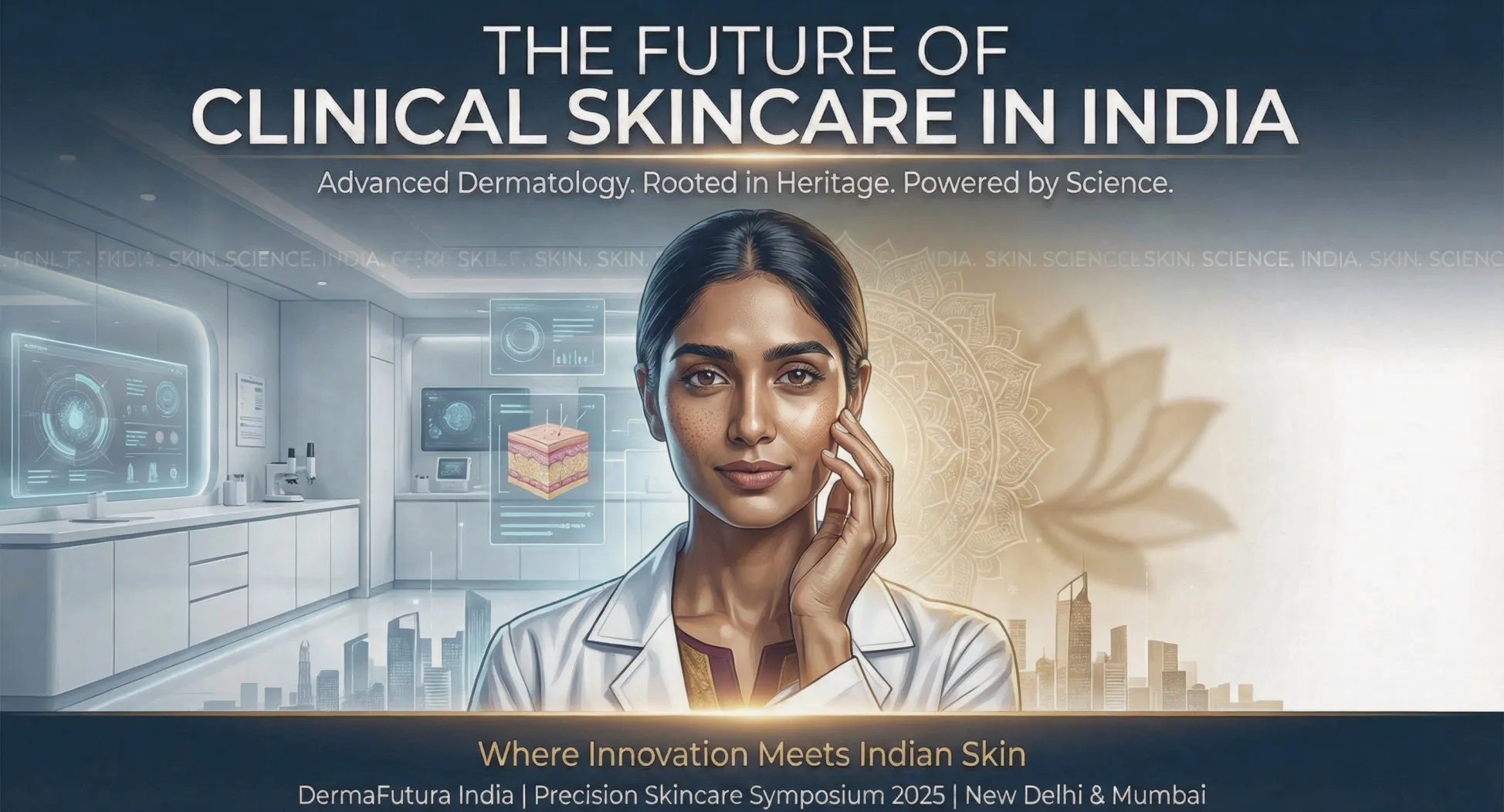
10 Years ago, a dermatologist in a Tier 2 city in India had maybe 50 patients walk in every month, specifically asking about skincare. Today, that same doctor is seeing fifty patients a week, and half of them come in having already researched their condition, looked up ingredients, and formed opinions about what they want. Something fundamental has changed in how India thinks about skin. And that change is only going to accelerate from here.
India's Skin Awareness Revolution Is Still in Early Stages
What we are seeing right now in India's clinical skincare market is not the peak of a trend. It is the beginning of a much larger shift.
For decades, skincare in India was largely reactive. People visited dermatologists when they had a problem they could not ignore. Acne that would not clear. A patch of pigmentation that kept coming back. A rash that over-the-counter creams could not fix. Skincare was treatment, not maintenance.
That thinking is changing rapidly. A younger, more informed generation of Indian consumers is approaching skin health the way previous generations approached fitness. Proactively. Consistently. With real investment in the right products and professional guidance.
This shift is being driven by several forces working together at the same time.
What Is Driving the Future of Clinical Skincare in India
Social media has played a significant role in educating Indian consumers about skin science. Dermatologists sharing content about ingredients, skin types, and treatment protocols have reached audiences that traditional healthcare communication never could. The result is a consumer base that understands terms like ceramides, retinoids, niacinamide, and Centella asiatica and actively seeks products containing them.
Rising disposable income in urban and semi-urban India means more people can afford clinical skincare that goes beyond basic soap and moisturiser. The willingness to spend on skin health has grown significantly across age groups and income brackets.
Expanding dermatology infrastructure is another major driver. India is seeing a rapid increase in skin clinics, cosmetic dermatology practices, and skin-focused wellness centres, not just in metros but in Tier 2 and Tier 3 cities. This infrastructure creates both the demand and the delivery channel for clinical skincare products.
And perhaps most importantly, Indian consumers are increasingly moving away from the idea that skin concerns are cosmetic vanity. More people understand now that healthy skin is connected to overall health, confidence, and quality of life. That mindset shift is what sustains long-term market growth.
The Role of PCD Derma Pharma Franchise in India
One of the most important distribution models shaping the future of clinical skincare in India is the PCD derma pharma franchise model. As dermatology demand grows deeper into smaller markets, the franchise distribution model is the mechanism that actually gets clinical skincare products into the hands of patients who need them.
PCD derma pharma franchise in India works by giving local business partners the rights to distribute a company's dermatology product range within their territory. These partners build relationships with dermatologists, skin clinics, and pharmacies in their area, ensuring that quality clinical skincare products are available where the demand exists.
This model is growing fast because it solves a real problem. Centralised distribution from large pharma companies cannot efficiently serve the enormous geographic spread of India's expanding dermatology market. Local partners who understand their territory, speak the local language, and know the doctors personally are far more effective at building sustainable distribution in smaller markets.
As dermatology practice expands into Tier 2 and Tier 3 cities, PCD derma pharma franchise partners are the frontline of that expansion. They are bringing clinical skincare access to markets that previously had very limited options.
What the Clinical Skincare Product Landscape Will Look Like
The products that will define India's clinical skincare future are already taking shape. A few clear directions stand out.
Skin barrier care is becoming a foundational category. As consumers and dermatologists increasingly understand that most skin problems begin with a compromised barrier, products specifically designed to rebuild and maintain barrier function are gaining significant traction. Ingredients like ceramides, Centella asiatica, and peptide complexes are moving from niche to mainstream.
Pigmentation treatment remains one of the largest and most persistent clinical skincare needs in India. The combination of high UV exposure, hormonal factors, and genetic predisposition to hyperpigmentation means this category will continue to grow for the foreseeable future.
Anti-ageing clinical skincare is beginning its real growth phase in India. As the first generation of truly skincare-aware Indian consumers moves into their thirties and forties, demand for evidence-based anti-ageing products formulated for Indian skin will grow substantially.
Sensitive skin and redness management is another growing category driven partly by increasing diagnoses of conditions like rosacea and eczema, and partly by consumers who have damaged their skin barrier through overuse of harsh active ingredients found in global products, not always formulated with Indian skin in mind.
The Manufacturing Quality Imperative
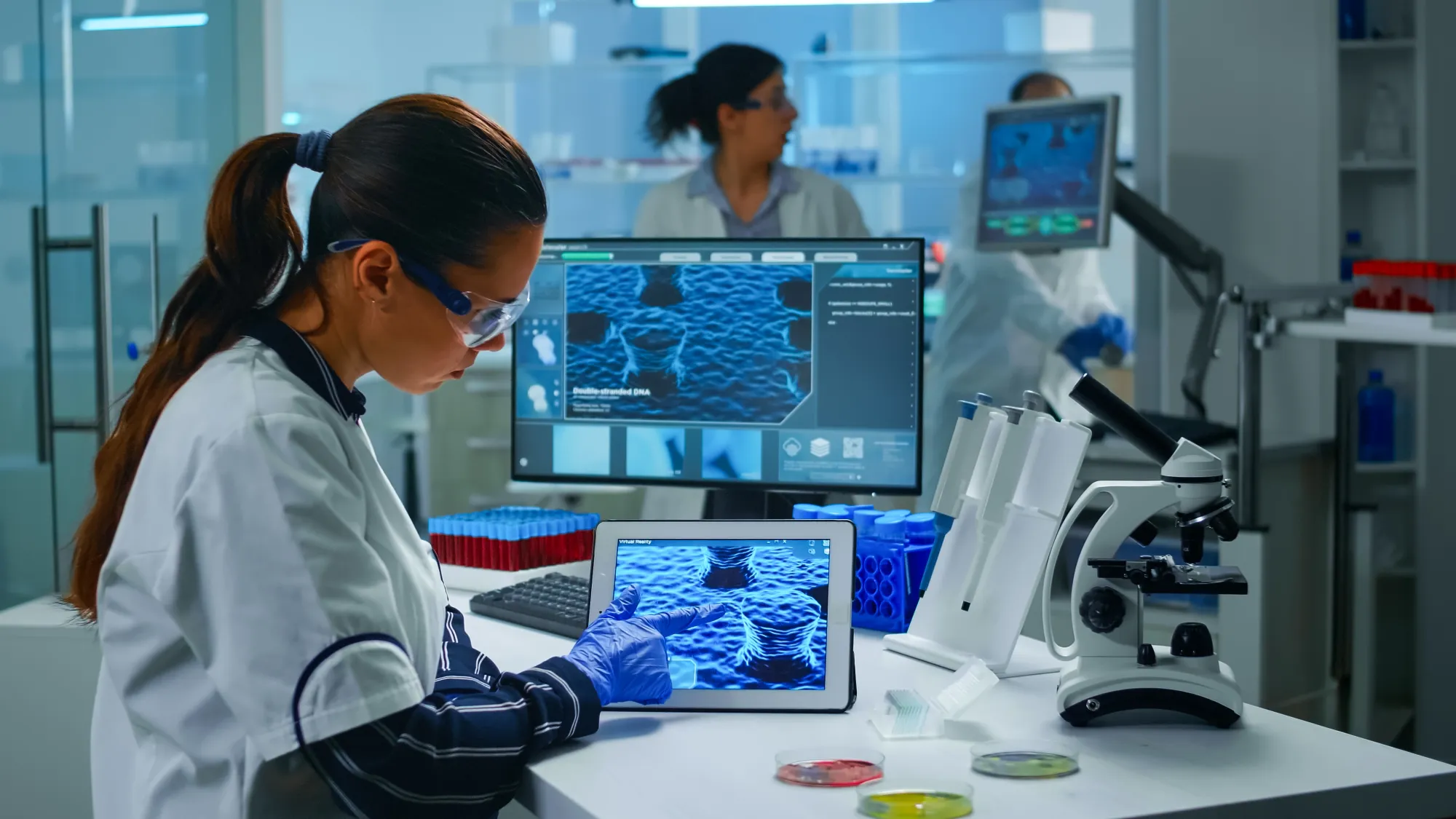
As clinical skincare grows, so does consumer and dermatologist scrutiny of product quality. The future belongs to brands and manufacturers who take quality seriously at every stage of production.
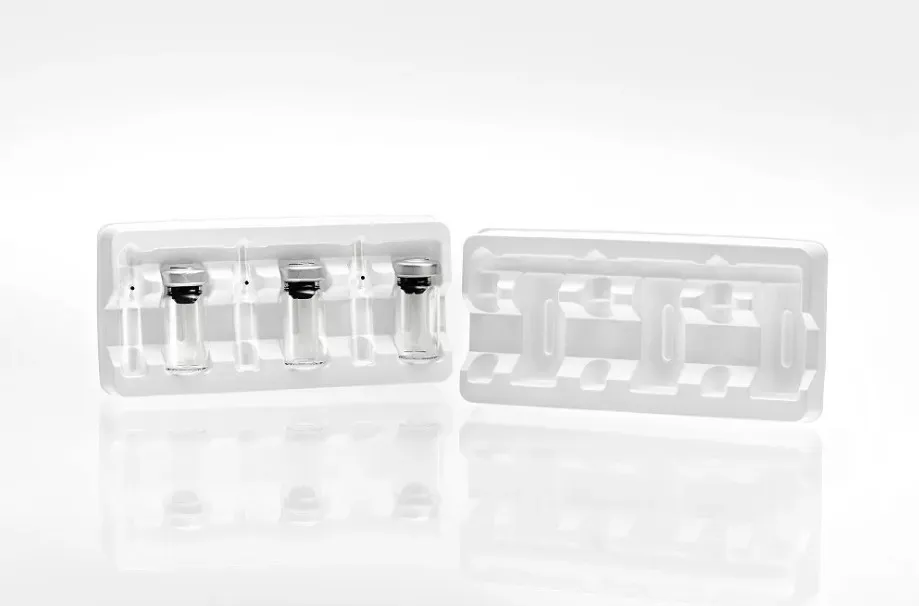
Dermatologists are becoming increasingly selective about which brands they recommend. A doctor who recommends a product is putting their reputation on the line with every patient. They need to trust that the formulation is consistent, the ingredients are what the label says they are, and the manufacturing process meets real quality standards.
This is why GMP-certified manufacturing, rigorous testing, and transparent ingredient sourcing are not just compliance requirements for clinical skincare brands. They are competitive advantages in a market where trust is the ultimate currency.
The Opportunity Ahead
India's clinical skincare market is at an inflexion point. The awareness is there. The infrastructure is being built. The consumer willingness to invest in skin health is stronger than it has ever been.
For derma pharma franchise partners, skincare brand founders, and manufacturers who position themselves correctly in this growing market, the next decade represents a genuinely significant business opportunity.
The future of clinical skincare in India is not just promising. It is already arriving. The brands and partners who move with intention and build on quality foundations today will be the ones defining this market tomorrow.





























Sign in to leave a comment.