
Introduction
Digital marketing is evolving at a rapid pace, driven by technological advancements and changing consumer behaviors. As we look ahead to 2024 and beyond, businesses need to stay ahead of the curve by understanding and adopting emerging trends. From artificial intelligence (AI) to data privacy, the future of digital marketing will be shaped by innovations that promise to enhance user experiences, streamline operations, and deliver measurable results. This article explores key trends that will define digital marketing in the coming years, offering insights into how businesses can leverage these developments to stay competitive.
1. Artificial Intelligence and Machine Learning
AI and machine learning are set to revolutionize digital marketing by offering more personalized and efficient customer interactions. AI-powered tools can analyze vast amounts of data to predict consumer behavior, optimize ad targeting, and improve customer service through chatbots and virtual assistants. Machine learning algorithms enable marketers to automate content creation, segment audiences more precisely, and personalize marketing messages at scale. As these technologies become more sophisticated, businesses can expect higher engagement rates and improved ROI.
2. Voice Search Optimization
With the growing popularity of smart speakers and voice-activated devices, voice search is becoming an integral part of the consumer journey. By 2024, it’s estimated that over half of all online searches will be conducted via voice. This shift requires marketers to optimize their content for voice search, focusing on natural language processing and conversational keywords. Voice search optimization will also impact local SEO, as consumers increasingly use voice commands to find nearby businesses and services.
3. Video Marketing Dominance
Video content continues to dominate digital marketing strategies, with platforms like YouTube, TikTok, and Instagram leading the way. Short-form videos, live streaming, and interactive content are particularly effective in capturing audience attention and driving engagement. In the future, we can expect advancements in augmented reality (AR) and virtual reality (VR) to enhance video marketing, offering immersive experiences that deepen consumer connections. Businesses should invest in high-quality video production and explore innovative formats to stay relevant.
4. Social Commerce
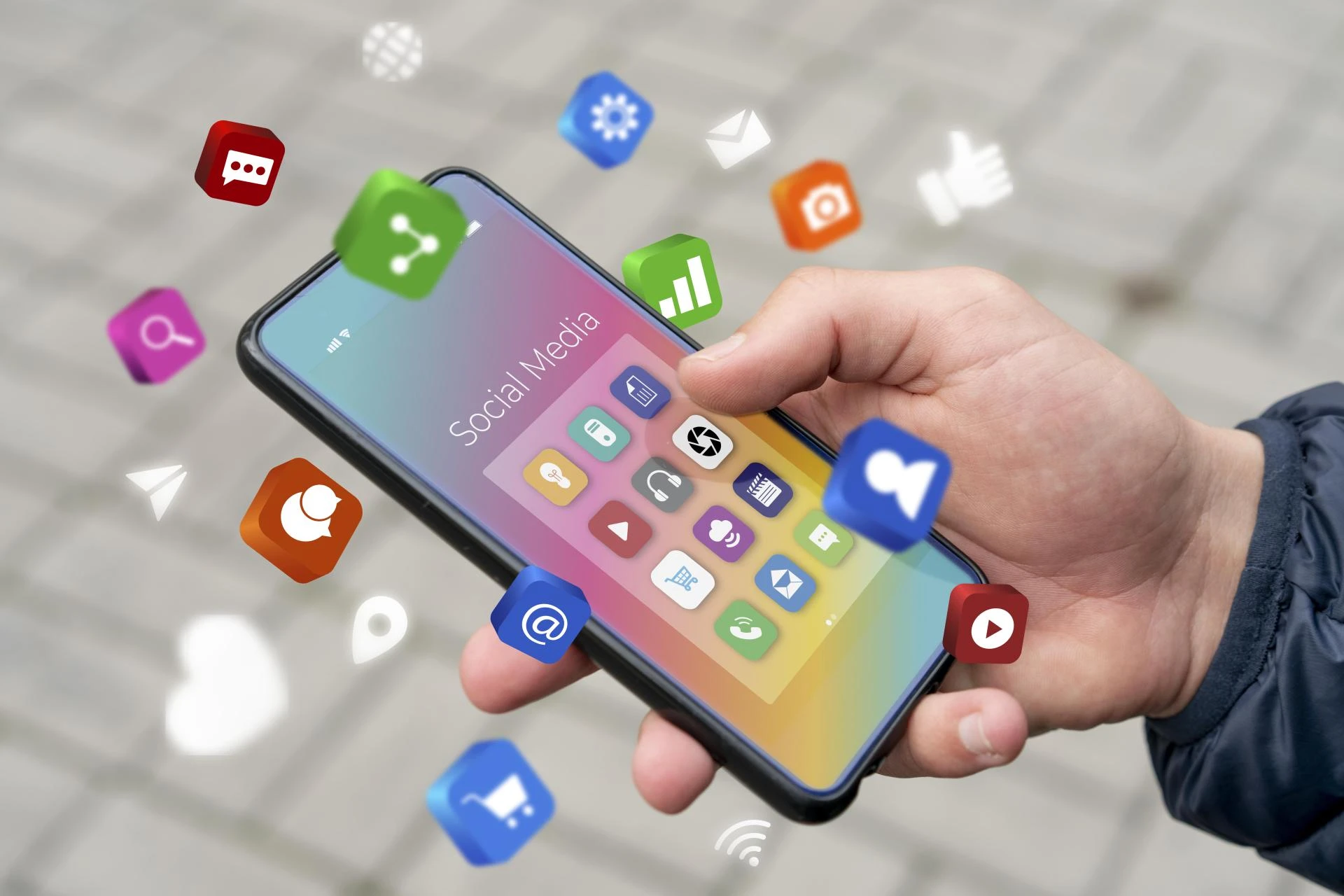
Social media platforms are evolving into powerful e-commerce hubs, enabling users to discover, shop, and purchase products without leaving the app. Features like shoppable posts, in-app checkout, and influencer collaborations are driving the growth of social commerce. By 2024, social commerce is expected to become a mainstream shopping channel, especially among younger demographics. Marketers should leverage these platforms to create seamless shopping experiences, foster community engagement, and tap into the potential of user-generated content.
5. Data Privacy and Personalization
As data privacy regulations tighten and consumers become more aware of their digital rights, marketers must balance personalization with privacy. The demise of third-party cookies and the rise of first-party data collection will reshape targeting strategies. Brands need to build trust by being transparent about data usage and offering value in exchange for consumer information. Personalized marketing will rely more on consent-based data and innovative approaches like zero-party data, where consumers willingly share their preferences and interests.
6. Influencer Marketing Evolution
Influencer marketing is evolving from macro-influencers to micro and nano-influencers who offer niche audiences and higher engagement rates. Authenticity and relatability are becoming more important than follower count. In the future, we can expect more long-term partnerships between brands and influencers, as well as the rise of virtual influencers powered by AI. Brands should focus on building genuine relationships with influencers who align with their values and resonate with their target audience.
7. Omnichannel Marketing
An integrated omnichannel approach is essential for delivering a consistent and seamless customer experience across all touchpoints. Consumers today expect a unified brand experience, whether they interact with a business online, in-store, or via mobile apps. Omnichannel marketing involves coordinating efforts across various channels, including email, social media, websites, and physical locations. Advanced analytics and AI can help track customer journeys, understand preferences, and deliver personalized content across all platforms.
Conclusion
The future of digital marketing promises exciting opportunities for businesses willing to embrace change and innovate. As AI, voice search, video content, social commerce, data privacy, influencer marketing, and omnichannel strategies continue to evolve, staying informed and adaptable will be key to success. By leveraging these trends, businesses can enhance their marketing efforts, foster deeper customer relationships, and achieve sustainable growth in an increasingly digital world. The landscape may be complex, but with the right strategies, the future of digital marketing holds immense potential.contact Freelance Digital Marketing Expert in Calicut

























Sign in to leave a comment.