
In today’s fast-paced business environment, organizations generate and manage a large volume of documents every day. From contracts and invoices to employee records and reports, handling information efficiently has become a critical part of maintaining productivity and compliance. Traditional paper-based systems or scattered digital files can slow down workflows, create confusion, and increase the risk of lost information.
Modern businesses are increasingly adopting smarter solutions to organize, store, and retrieve their documents. By transitioning to structured digital solutions, companies can streamline operations, improve accessibility, and enhance collaboration among teams.
The Growing Need for Modern Document Management
Organizations across industries face significant challenges when managing large amounts of information. Paper files require physical storage space, and manual filing systems make it difficult to locate documents quickly. Even when documents are stored digitally, unstructured folders and inconsistent naming conventions can create confusion.
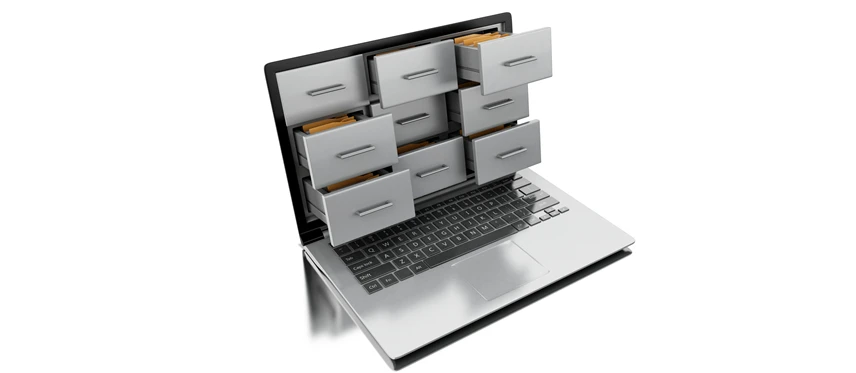
This is where a digital document management system becomes an essential business tool. It allows organizations to store, organize, and manage documents in a centralized platform, making information easier to access and control.
With businesses becoming increasingly data-driven, efficient document management plays a vital role in ensuring that teams can work effectively while maintaining secure and organized records.
What Is a Digital Document Management System?
A digital document management system is a software-based solution designed to capture, store, organize, and track electronic documents. It replaces traditional filing systems with a structured digital environment where files can be easily indexed and retrieved.
These systems typically allow organizations to convert paper documents into digital formats through scanning and optical character recognition (OCR). Once digitized, files can be categorized, tagged, and stored in a centralized repository.
This structured approach helps businesses maintain better control over their information while reducing reliance on physical storage.
Key Features of Modern Document Management Solutions
Modern document management solutions provide a range of features that help organizations manage information more effectively.
Centralized Document Storage
One of the main benefits of a digital document management system is centralized storage. Instead of storing documents across multiple devices or locations, all files are kept in one secure repository.
This centralized structure allows employees to quickly locate files without searching through multiple folders or physical cabinets.
Advanced Search Capabilities
Searching for documents in traditional systems can be time-consuming. Advanced search functionality allows users to locate documents using keywords, tags, or metadata.
A well-designed digital document management system enables quick and accurate document retrieval, significantly improving workplace efficiency.
Version Control and Document Tracking
Document revisions are common in business environments. Without proper version control, teams may accidentally work on outdated versions of files.
Document management systems track revisions and maintain version histories, ensuring that users always have access to the most recent document while still preserving previous versions for reference.
Access Control and Security
Protecting sensitive information is a major concern for businesses. A digital document management system allows organizations to assign access permissions to specific users or departments.
This ensures that confidential information remains protected while still allowing authorized personnel to access the documents they need.
Benefits of Implementing a Document Management System
Adopting a structured document management solution offers numerous benefits that support business productivity and efficiency.
Improved Operational Efficiency
When documents are organized and easily accessible, employees spend less time searching for files and more time focusing on productive tasks. Streamlined workflows allow teams to collaborate more effectively.
By using a digital document management system, organizations can reduce administrative delays and improve overall operational performance.
Reduced Paper Usage
Paper-based systems require large amounts of physical storage and ongoing maintenance. Digitizing documents significantly reduces paper consumption and storage costs.
This transition not only saves money but also supports environmentally responsible business practices.
Better Compliance and Record Keeping
Many industries must comply with strict regulations regarding data retention and documentation. Maintaining accurate records is essential for audits and legal requirements.
A digital document management system helps businesses organize records systematically while maintaining proper documentation and audit trails.
Enhanced Collaboration
Modern workplaces often involve teams working from different locations. Cloud-based document systems allow employees to access and collaborate on files from anywhere.
This capability improves teamwork and ensures that projects continue smoothly regardless of physical location.
Industries That Benefit from Digital Document Management
Organizations in nearly every sector can benefit from improved document management practices. Some industries rely particularly heavily on structured information systems.
Healthcare
Healthcare providers manage large volumes of patient records, medical reports, and administrative documents. Efficient document management ensures that medical information is easily accessible while maintaining strict privacy standards.
Legal Services
Law firms handle extensive documentation, including contracts, case files, and legal records. A reliable digital document management system helps legal professionals organize these files and retrieve them quickly when needed.
Finance and Accounting
Financial institutions process sensitive data such as invoices, tax documents, and financial reports. Secure document management systems help protect confidential information while improving operational efficiency.
Government and Public Services
Government agencies manage large volumes of records related to public services, permits, and regulations. Digital document systems help maintain organized records while ensuring transparency and accountability.
Steps to Implement a Document Management Strategy
Transitioning to digital document management requires careful planning and a structured approach. Organizations should consider the following steps when implementing a new system.
Evaluate Current Processes
The first step is to assess how documents are currently stored and managed. Identifying inefficiencies helps determine which improvements are necessary.
Digitize Existing Documents
Businesses often begin by scanning important paper records and converting them into digital formats. This process creates a digital archive that can be integrated into the management system.
Establish Organizational Standards
Consistent naming conventions, categories, and indexing methods help maintain an organized document structure.
Train Employees
Employees should receive proper training on how to use the new system effectively. Understanding the features and processes ensures that the transition runs smoothly.
Challenges in Document Management
While digital systems offer many advantages, organizations may face certain challenges during implementation.
Data Migration
Moving large volumes of existing documents into a new system can require time and resources.
Employee Adoption
Some employees may initially resist new technologies or workflows. Providing training and support helps encourage successful adoption.
Security Considerations
Protecting sensitive information remains a top priority. Organizations must ensure that their systems include strong encryption and access controls.
Despite these challenges, the long-term benefits of improved efficiency and organization make digital document management a worthwhile investment.
The Future of Business Documentation
As technology continues to evolve, document management systems are becoming increasingly sophisticated. Innovations such as artificial intelligence and automation are helping organizations process and categorize documents more efficiently.
Future systems may include intelligent document recognition, automated workflows, and predictive data management tools that further streamline business operations.
By adopting modern solutions early, businesses can position themselves to adapt to these technological advancements while maintaining organized and secure information systems.
Conclusion
Effective document management is essential for modern businesses that rely on accurate information and efficient workflows. Traditional paper-based systems and unstructured digital storage methods can create inefficiencies that slow down operations.
A digital document management system provides a structured and secure environment for storing, organizing, and retrieving important documents. With features such as centralized storage, advanced search capabilities, version control, and enhanced security, these systems help organizations improve productivity while protecting sensitive information.
By implementing a well-designed digital document management system, businesses can streamline processes, reduce operational costs, and support better collaboration across teams. As organizations continue to generate increasing amounts of data, adopting effective document management strategies will remain a key factor in maintaining long-term efficiency and success.







Sign in to leave a comment.