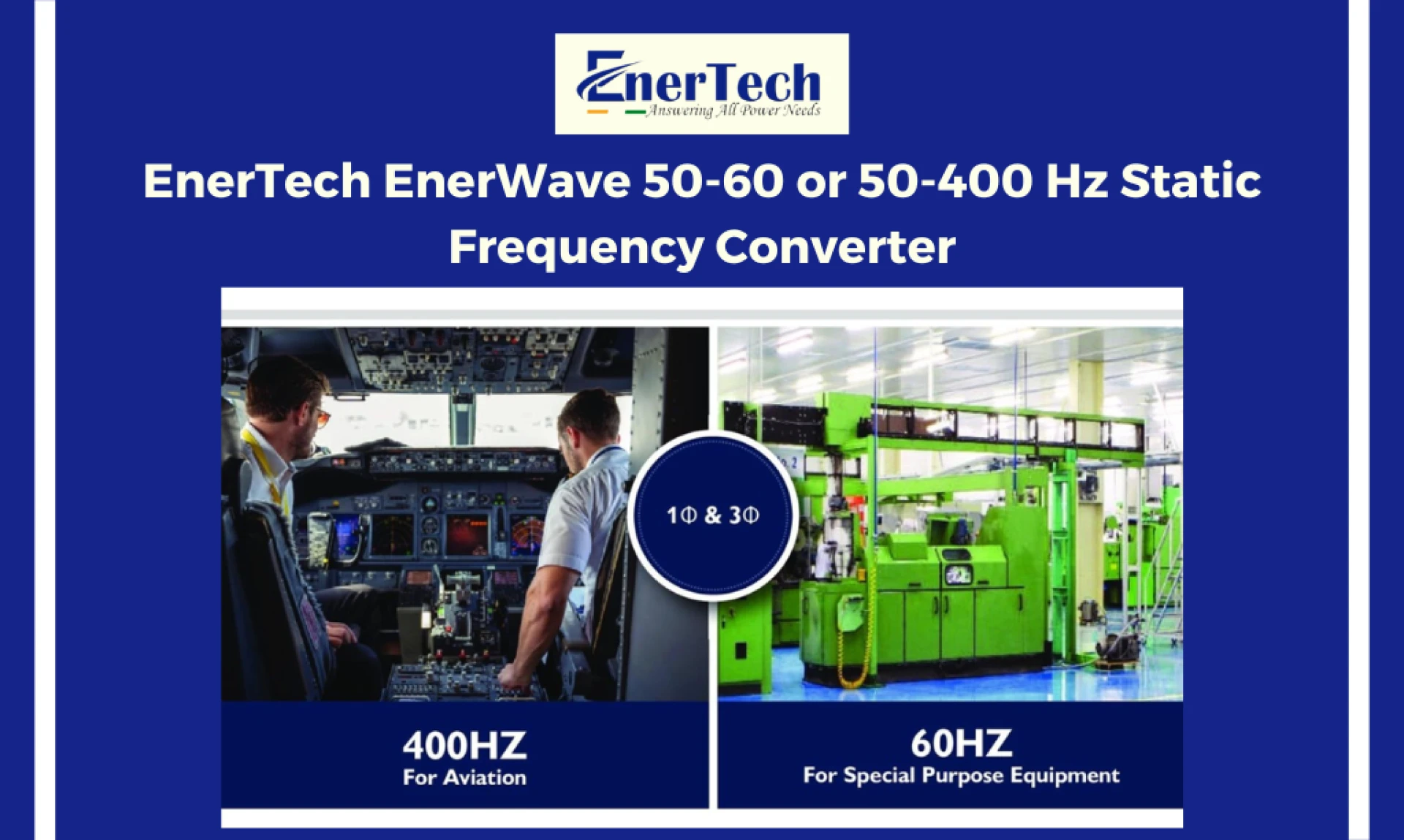
As global industries grow increasingly energy-conscious and digitally connected, frequency converters—once seen as niche equipment—are now stepping into the spotlight. Traditionally used to convert electrical frequencies (like 50Hz to 60Hz or vice versa) for compatibility between regions or devices, these systems are evolving rapidly. Thanks to advancements in smart technology and energy efficiency, the future of frequency converters is not just about compatibility—it's about optimization, automation, and sustainability.
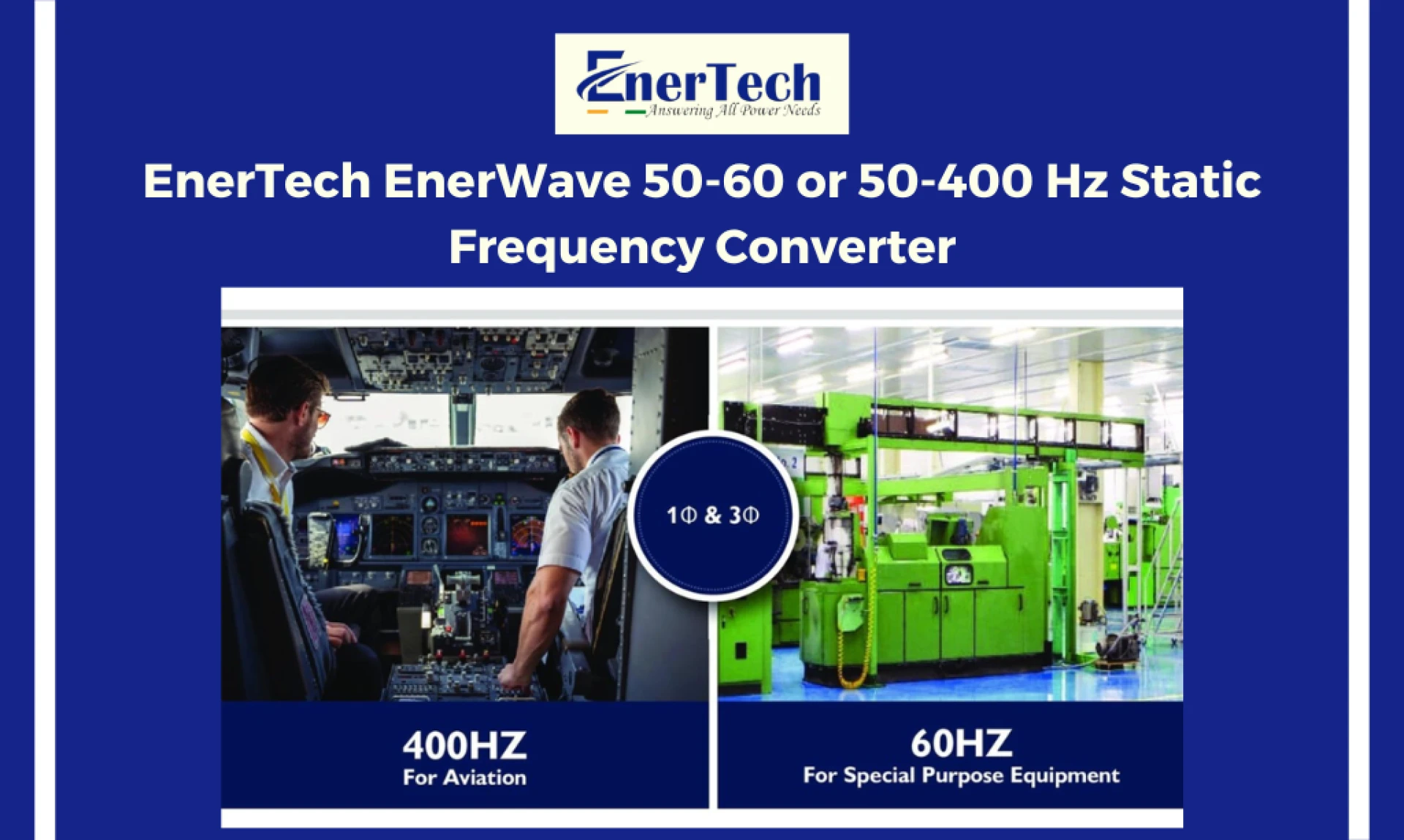
⚡ What Are Frequency Converters?
A frequency converter is a device that changes the frequency of an electrical power supply. Most commonly, they convert 50Hz to 60Hz or 60Hz to 50Hz, allowing equipment designed for one region’s electrical grid to operate safely and efficiently in another.
They are essential in industries like:
- Aerospace
- Maritime operations
- Industrial automation
- Medical and lab equipment
- Global manufacturing and import/export businesses
🧠 Smart Technology Integration
Modern frequency converters are now integrated with smart technologies such as:
- IoT-based monitoring
- Remote diagnostics and control
- Predictive maintenance alerts
- Cloud-based data analytics
These features allow operators to track performance, detect issues early, and manage energy use in real-time, all from a centralized dashboard or mobile app. This level of connectivity was unheard of in older models but is becoming standard in newer installations.
🌱 Focus on Energy Efficiency
Energy efficiency is at the heart of innovation in frequency converter design. New-generation converters:
- Use low-loss semiconductor technology
- Feature auto-optimization for partial loads
- Integrate soft-start and variable speed drive capabilities
- Offer regenerative energy feedback for power savings
The result? Reduced energy consumption, lower heat output, and longer equipment life—critical for businesses aiming to meet sustainability goals and cut operational costs.
🔄 Adaptive & Scalable Design
Today’s frequency converters are more modular and scalable, making them easy to:
- Retrofit into existing systems
- Expand based on growing load demands
- Integrate with renewable energy sources (like solar or wind)
They’re also more compact, lightweight, and quieter, improving the overall efficiency of the system setup.
🏭 Real-World Applications
Smart, energy-efficient frequency converters are becoming standard in:
- Data centers looking to reduce downtime and power usage
- Offshore drilling rigs needing variable frequency outputs
- Global manufacturing sites standardizing operations across power systems
- EV charging infrastructure balancing grid demand with vehicle load
🚀 The Road Ahead
The next phase for frequency converters is AI-enhanced automation, where converters self-adjust based on usage patterns, weather forecasts (in renewables), or predictive failure models. We’ll also see more integration with smart grid systems and zero-downtime failover mechanisms, making frequency converters a cornerstone of industrial energy management.
✅ Conclusion
A frequency converter 50 to 60Hz is an electrical device that changes power frequency from 50 Hertz to 60 Hertz, enabling seamless operation of 60Hz equipment in regions where the standard power supply is 50Hz. Ideal for global manufacturers, importers, and industries using foreign machinery, these converters ensure equipment compatibility, reduce the risk of damage, and maintain optimal performance. Modern 50 to 60Hz frequency converters are compact, energy-efficient, and often include smart monitoring features for enhanced reliability and control.
The frequency converter of the future isn’t just about converting electricity—it’s about empowering smarter, greener, and more resilient systems. As energy demands grow and sustainability becomes non-negotiable, investing in smart frequency conversion technology will be critical for forward-thinking businesses and infrastructure planners.










Sign in to leave a comment.