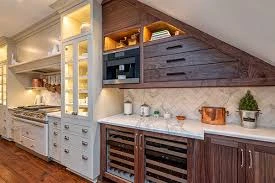

The furniture industry is undergoing a dynamic transformation. With evolving consumer preferences, rapid technological advancements, and a growing emphasis on sustainability, furniture design has moved far beyond traditional craftsmanship. The future of furniture design is driven by three major forces: Customization, CAD (Computer-Aided Design), and Sustainability.
These trends are not only shaping how furniture is designed and manufactured but also how businesses meet the rising expectations of modern consumers. In this article, we explore how these three pillars are redefining the future of furniture design and why they matter for designers, manufacturers, and consumers alike.
Customization: Meeting the Demand for Unique Living Spaces
In a world where personalization defines user experience, the same expectation extends to furniture. Homeowners and businesses today want furniture that reflects their identity, space, and lifestyle needs.
✅ Rise of Custom Furniture Design
Customers no longer settle for mass-produced, cookie-cutter designs. Instead, they seek:
- Unique furniture layouts that suit specific spaces
- Material and color customization
- Ergonomic designs tailored for individual needs
- Personalized branding for commercial furniture
This demand has given rise to custom furniture design services that work closely with clients, from concept to creation. Designers now create pieces that are aesthetically unique, functionally practical, and emotionally connected to the user.
✅ Technology Meets Personalization
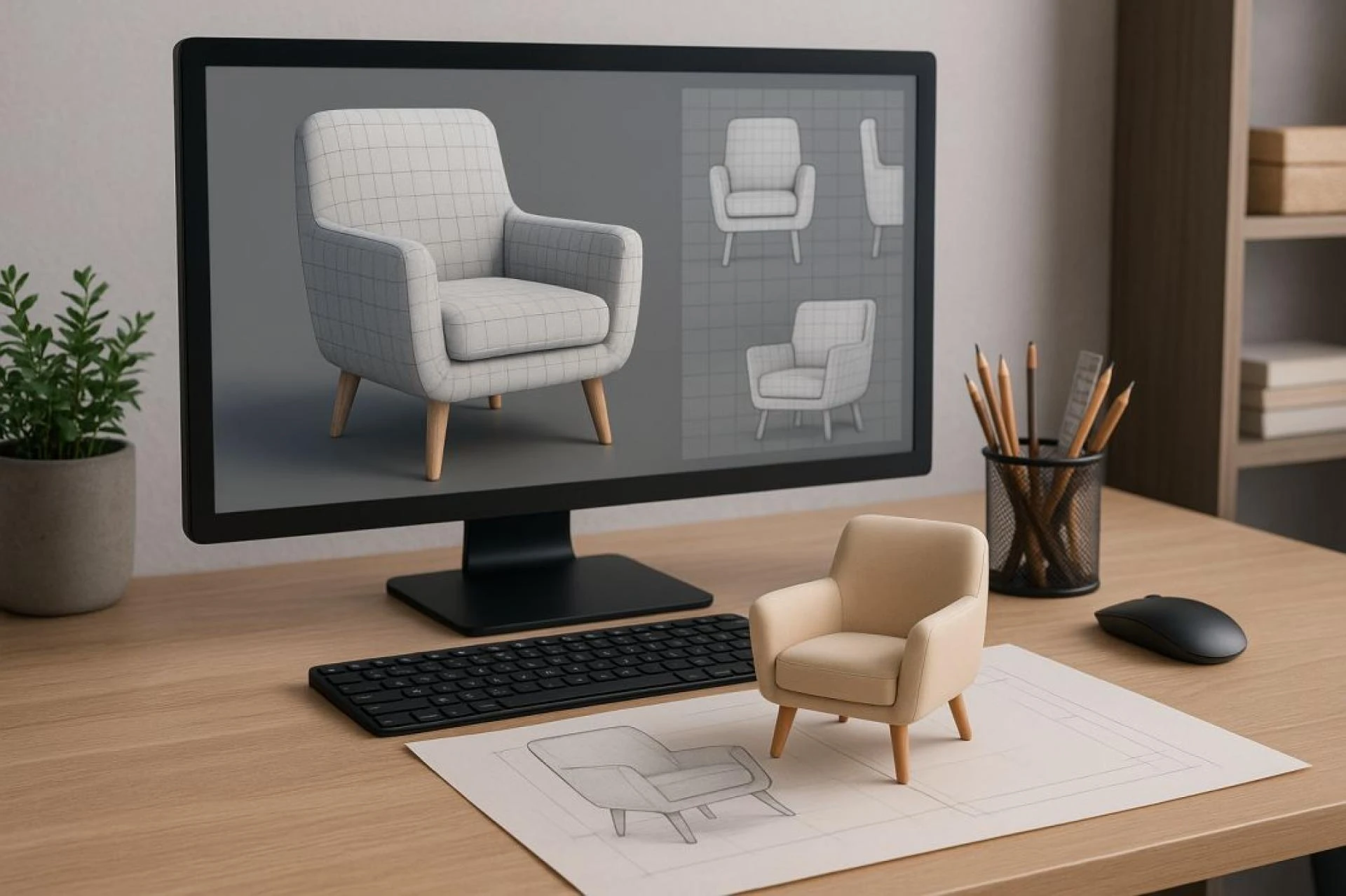
Thanks to CAD tools, designers can now offer real-time 3D visualization, allowing customers to preview their furniture in full detail before manufacturing begins. This enhances buyer confidence, reduces errors, and ensures satisfaction.
CAD: Revolutionizing Furniture Design and Production
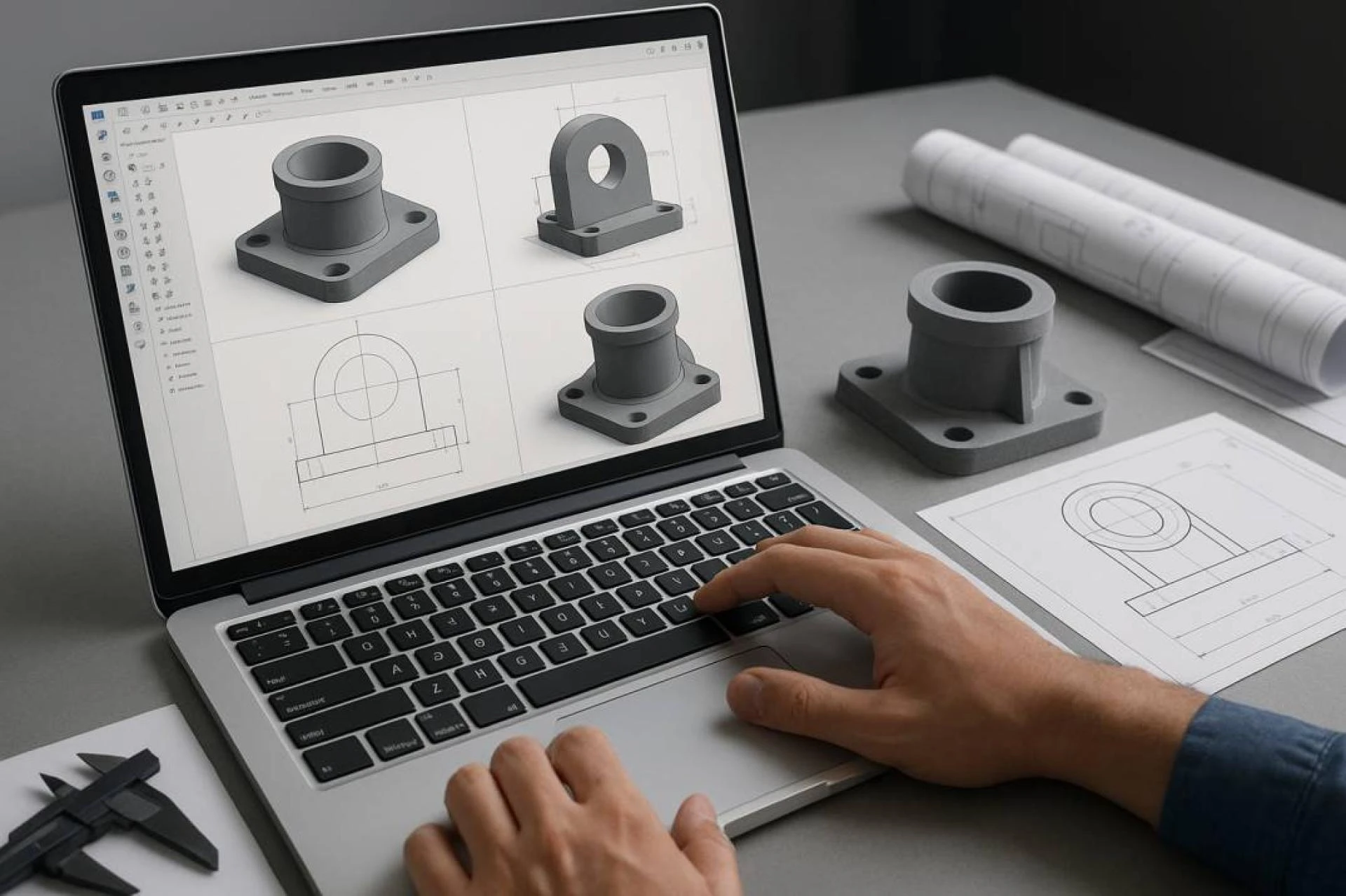
Computer-Aided Design (CAD) has become a foundational tool in modern furniture design. It enables designers to create detailed 2D drawings, 3D models, and even simulate furniture assembly and usage in virtual environments.
Benefits of CAD in Furniture Design
- Precision & Accuracy: Every element—from dimensions to joinery—is accurately defined
- Speed & Efficiency: Design iterations and revisions can be handled quickly
- 3D Visualization: Clients and manufacturers can view lifelike models before production
- Seamless Prototyping: CAD files can be directly used for CNC machining and 3D printing
- Collaborative Design: Architects, interior designers, and clients can work together in real time
CAD-driven furniture design also reduces reliance on physical prototypes, saving both time and resources. This makes the design-to-manufacture pipeline faster and more cost-effective.
Integration with Smart Manufacturing
As Industry 4.0 continues to evolve, CAD is becoming central to digital furniture manufacturing. Integration with CAM (Computer-Aided Manufacturing) systems allows automated production based on digital designs, minimizing manual labor and ensuring high repeatability.
Sustainability: Designing with the Planet in Mind
Sustainability is no longer an optional value—it's a necessity. Consumers, especially Millennials and Gen Z, are more conscious of the environmental impact of their purchases, including furniture.
Sustainable Furniture Design Practices
Designers and manufacturers are embracing practices such as:
- Eco-friendly materials (bamboo, reclaimed wood, recycled metals)
- Modular design that reduces waste and supports reuse
- Minimalist design to reduce material consumption
- Durability-focused design for long-term use
Sustainable furniture design not only helps protect the environment but also builds brand loyalty and enhances market appeal in a socially aware audience.
Role of CAD in Green Design
CAD software helps designers optimize material usage by:
- Minimizing offcuts and waste in sheet materials
- Identifying environmental impact early in the design phase
- Enabling modular, flat-pack designs for efficient logistics
In this way, CAD supports eco-conscious product development without compromising creativity or performance.
Who Benefits from the Future of Furniture Design?
The trends of customization, CAD adoption, and sustainability benefit a wide range of stakeholders:
➤ Architects & Interior Designers
Custom CAD-based furniture helps professionals deliver cohesive, space-optimized interiors.
➤ Furniture Manufacturers
Digital design streamlines manufacturing, supports rapid prototyping, and lowers production costs.
➤ Retailers
Custom furniture options increase product appeal and customer satisfaction.
➤ End-Consumers
Buyers get high-quality, durable, and personalized furniture that reflects their values and lifestyle.
What to Expect in the Coming Years?
As technology evolves, expect further integration of:
- AR/VR in furniture shopping and design previews
- AI-powered design suggestions based on space and style
- Smart furniture with embedded tech (charging ports, sensors)
- Greater use of recycled and biodegradable materials
Furniture design will continue shifting toward digital, sustainable, and user-centric solutions that meet modern needs and values.
Final Thoughts
The future of furniture design is not just about aesthetics—it's about merging personalization, technology, and responsibility. With custom furniture design services powered by CAD and a strong focus on sustainability, designers and manufacturers can create furniture that’s smarter, greener, and more aligned with modern lifestyles.
Whether you’re furnishing a commercial space, designing a new product line, or redecorating your home, embracing these future-forward trends ensures your furniture solutions are relevant, efficient, and planet-friendly.
























Sign in to leave a comment.