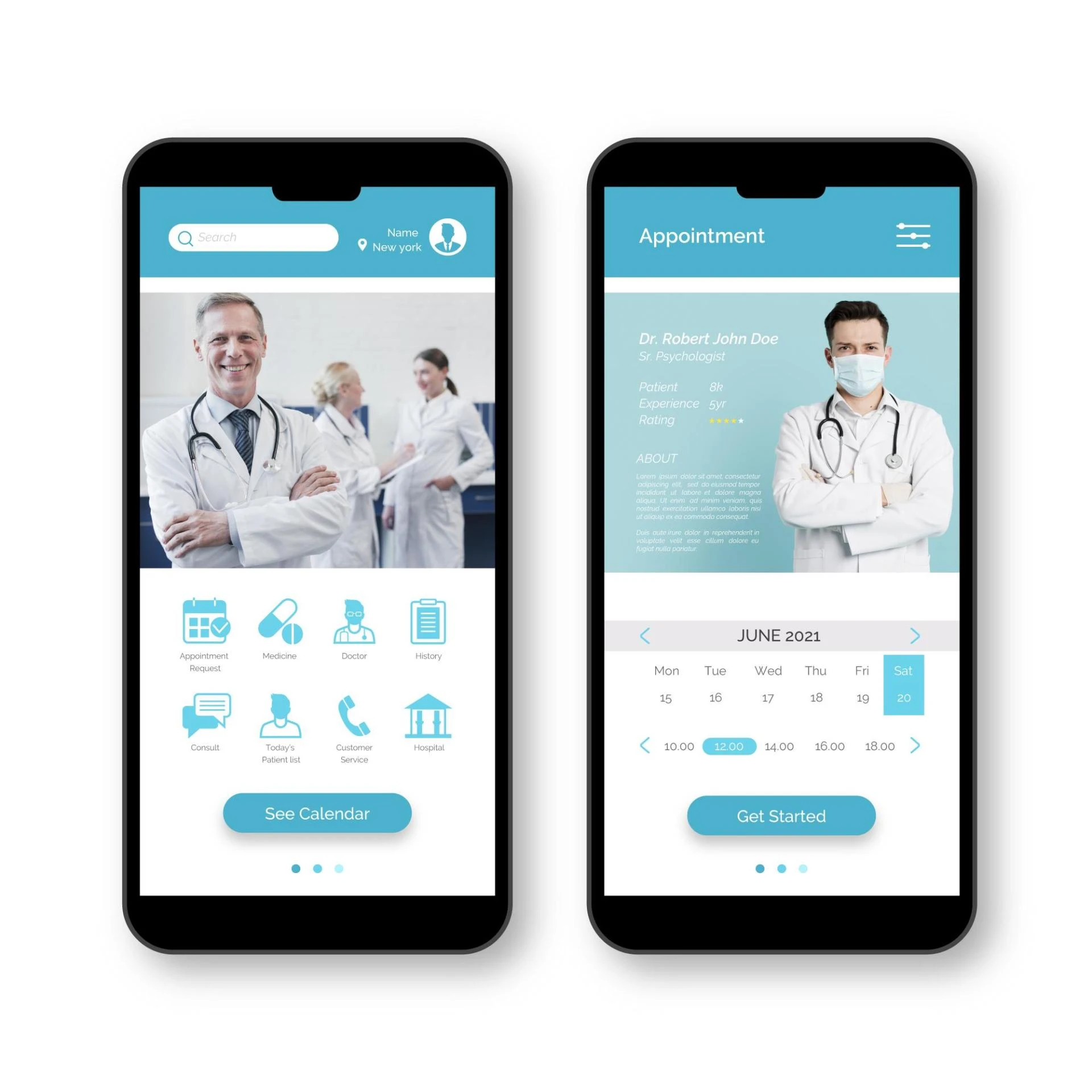

In recent years, we've witnessed an incredible transformation in the healthcare sector, driven by the widespread adoption of mobile apps. These innovative applications, known as Apps Healthcare, are fundamentally changing the way patients receive medical services, manage their health, and communicate with healthcare providers. As technology continues to advance, the future of healthcare is becoming increasingly digital, with mobile apps playing a pivotal role in delivering personalized and efficient care to patients worldwide.
Making Healthcare More Accessible and Convenient
One of the most significant advantages of healthcare apps is their ability to enhance access to medical services. Patients no longer need to physically visit a healthcare facility to seek care; instead, they can use these apps to consult with healthcare professionals, schedule appointments, and access their medical records right from their smartphones or tablets. This accessibility is especially beneficial for individuals living in remote or underserved areas, who may face challenges in accessing traditional healthcare services.
Empowering Patients to Manage Their Health
Health care apps empower patients to take an active role in managing their health and well-being. Through features like symptom tracking, medication reminders, and health monitoring, patients can monitor their health metrics and make informed decisions about their care. Moreover, many apps healthcare provide educational resources and personalized health insights, helping patients better understand their conditions and adopt healthier lifestyles.
Improving Communication and Collaboration
Mobile apps facilitate seamless communication and collaboration between patients and healthcare providers. Patients can easily communicate with their doctors, nurses, or other healthcare professionals through secure messaging platforms, reducing the need for phone calls or in-person visits. Healthcare providers can also use apps to share test results, treatment plans, and medical advice with patients in real-time, fostering better collaboration and improving overall patient outcomes.
Revolutionizing Telemedicine and Remote Monitoring
Telemedicine apps have emerged as a game-changer in healthcare delivery, enabling patients to receive medical consultations and treatment remotely. Through video consultations, telemedicine apps allow patients to consult with healthcare providers from the comfort of their own homes, saving time and reducing the need for unnecessary hospital visits. Additionally, mobile apps equipped with remote monitoring capabilities can track patients' vital signs and health metrics, enabling early detection of potential health issues and facilitating timely interventions.
Leveraging Data Analytics and AI for Personalized Care
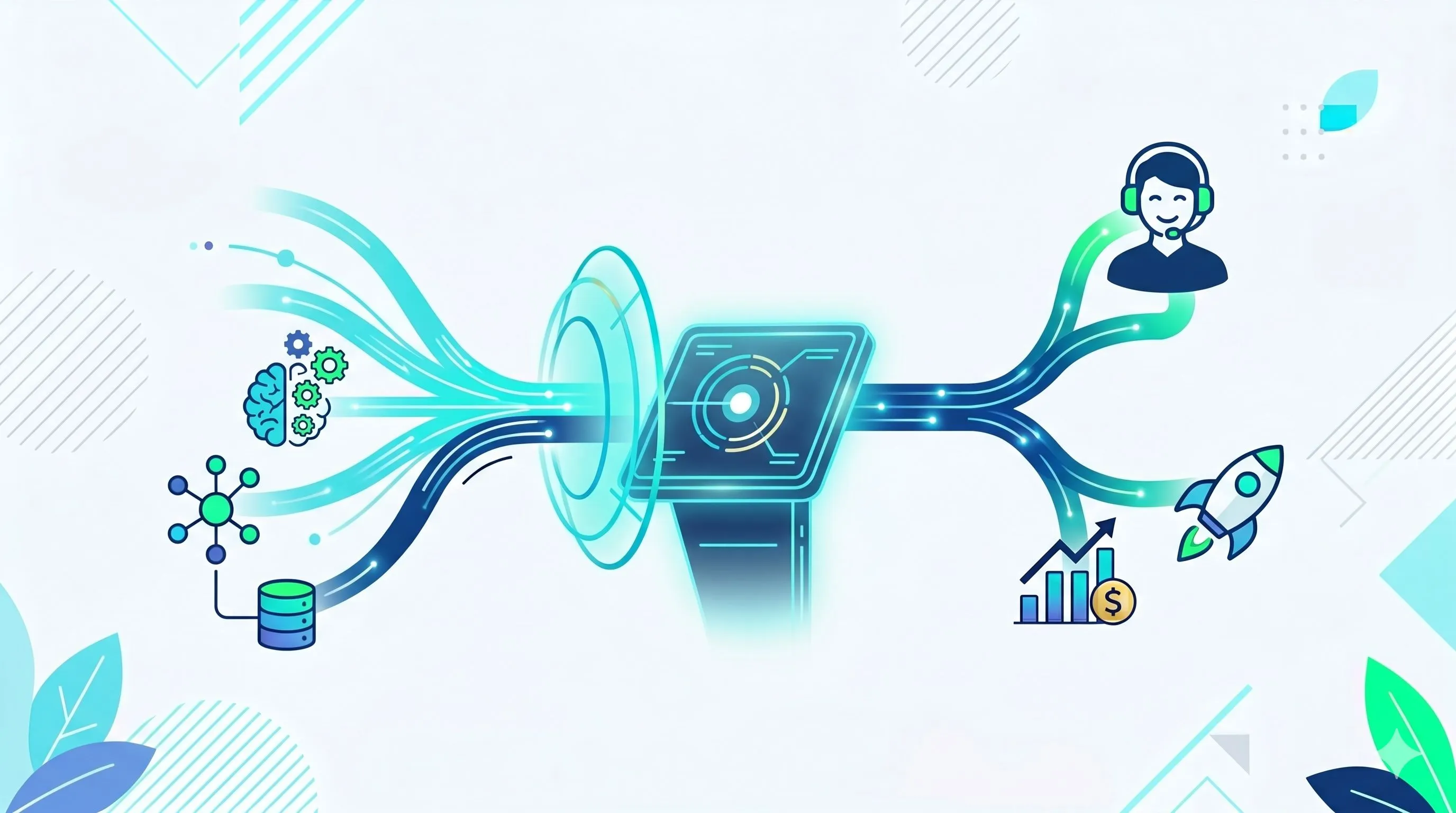
The future of healthcare apps lies in leveraging data analytics and artificial intelligence (AI) to deliver personalized care experiences. By analyzing vast amounts of patient data, healthcare apps can generate actionable insights and predictive analytics to tailor treatment plans to individual patients' needs. AI-powered chatbots and virtual assistants can also provide personalized health recommendations, answer patient queries, and offer support around the clock, enhancing the overall patient experience.
Addressing Privacy and Security Concerns
While healthcare apps offer numerous benefits, ensuring the privacy and security of patient data is crucial. App developers must implement robust security measures, such as end-to-end encryption and compliance with healthcare privacy regulations like HIPAA, to protect sensitive patient information from unauthorized access or breaches. Building trust among patients regarding the privacy and security of their data is essential for the widespread adoption of healthcare apps.
Conclusion: Embracing the Digital Transformation
In conclusion, the future of healthcare is undeniably digital, with mobile apps at the forefront of this transformation. By enhancing accessibility, empowering patients, improving communication, and leveraging advanced technologies like telemedicine and AI, apps healthcare are revolutionizing patient care and shaping the future of healthcare delivery. As the healthcare industry continues to evolve, embracing the potential of mobile apps will be crucial for delivering high-quality, patient-centered care in the digital age.























Sign in to leave a comment.