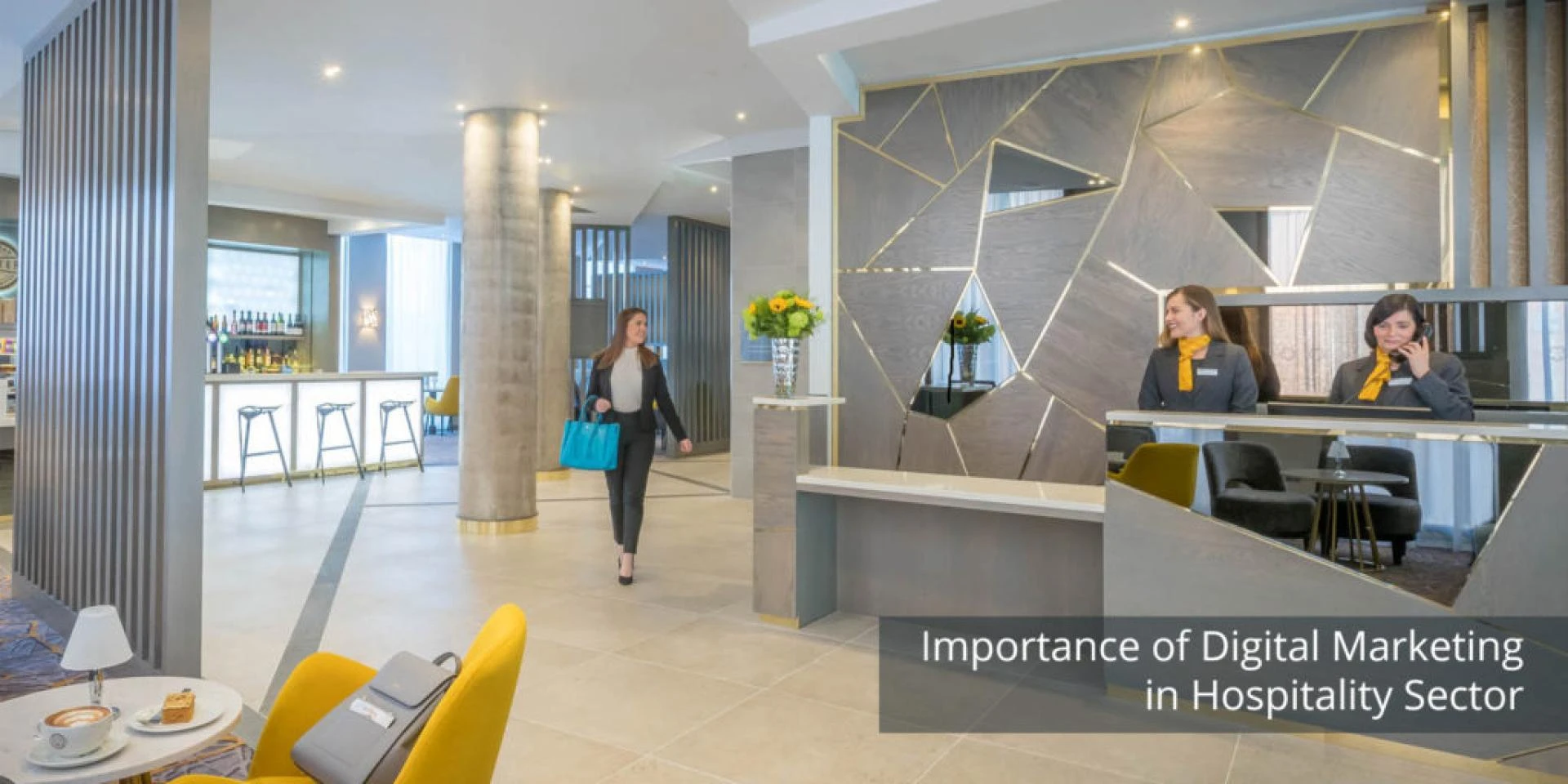

The hospitality industry is evolving rapidly, and marketing strategies must keep pace with changing consumer behaviors, emerging technologies, and shifting market dynamics. Hotels that want to stay ahead in this competitive landscape must adopt innovative marketing approaches to attract and retain guests. Here are key strategies shaping the future of hospitality marketing.
1. Personalization Through AI and Big Data
Guests expect personalized experiences, and artificial intelligence (AI) and big data are making this possible. Hotels can analyze customer preferences, past booking behavior, and online interactions to create tailored marketing campaigns, personalized offers, and customized recommendations that enhance guest satisfaction.
2. Influencer and Social Media Marketing
Social media continues to be a powerful tool for hospitality marketing. Collaborating with travel influencers, creating engaging video content, and leveraging platforms like Instagram, TikTok, and YouTube can boost brand awareness and drive direct bookings. User-generated content and real-time engagement help build trust and authenticity.
3. SEO and Voice Search Optimization
With more travelers using voice search for bookings and travel research, hotels need to optimize their content for conversational queries. Implementing strong SEO strategies, focusing on long-tail keywords, and enhancing website content for voice search will ensure better visibility in search engine results.
4. Immersive Digital Experiences with AR and VR
Augmented Reality (AR) and Virtual Reality (VR) are transforming how travelers explore destinations and hotels before booking. Virtual tours, interactive room previews, and AR-powered concierge services provide guests with engaging experiences that influence their booking decisions.
5. Loyalty Programs with a Digital Twist
Traditional loyalty programs are evolving into more dynamic, experience-driven rewards systems. Hotels are incorporating gamification, blockchain-based rewards, and AI-driven incentives to create more compelling loyalty programs that keep guests engaged and returning.
6. Sustainable and Ethical Branding
Modern travelers prioritize sustainability and responsible tourism. Hotels must integrate green initiatives into their branding, highlight eco-friendly practices in their marketing campaigns, and showcase efforts toward reducing their environmental footprint. Sustainable branding builds trust and attracts conscious consumers.
7. Data-Driven Decision Making
Advanced analytics and AI-powered insights allow hotels to refine their marketing strategies. Real-time data helps in segmenting audiences, predicting booking trends, and optimizing marketing budgets for maximum ROI. Smart decision-making based on data ensures higher engagement and conversion rates.
8. Mobile-First Marketing Strategies
With the majority of bookings and travel research happening on mobile devices, hotels must prioritize mobile-friendly websites, seamless booking experiences, and mobile-optimized marketing campaigns. SMS marketing, push notifications, and app-based engagement are also crucial for reaching guests effectively.
9. Direct Booking Strategies
To reduce reliance on third-party booking platforms, hotels need to invest in direct booking strategies. This includes offering exclusive perks for direct bookings, optimizing website UX, and using retargeting ads to encourage guests to book directly through the hotel’s website.
10. AI-Powered Chatbots and Virtual Assistants
AI-driven chatbots and virtual assistants are improving customer engagement by offering instant responses, handling bookings, and providing personalized recommendations. Hotels can enhance guest interactions while freeing up staff to focus on high-value tasks.
To stay ahead in this fast-changing industry, hotels must embrace digital transformation, leverage data-driven marketing, and prioritize guest-centric experiences. Investing in innovative marketing approaches will ensure long-term success in hospitality marketing strategies, including hospital marketing.















Sign in to leave a comment.