The investment landscape is undergoing a massive transformation, thanks to the power of blockchain technology. Assets Tokenization Development Company in USA is emerging as a game-changer, enabling investors to fractionalize and trade physical assets with unparalleled security and transparency. But what exactly does this mean for the future of investing? How does it work, and why should investors pay attention?
In this guide, we will explore the concept of asset tokenization, its impact on traditional investing, the benefits it offers, and how blockchain integration is revolutionizing asset management.
What is Real World Asset Tokenization?
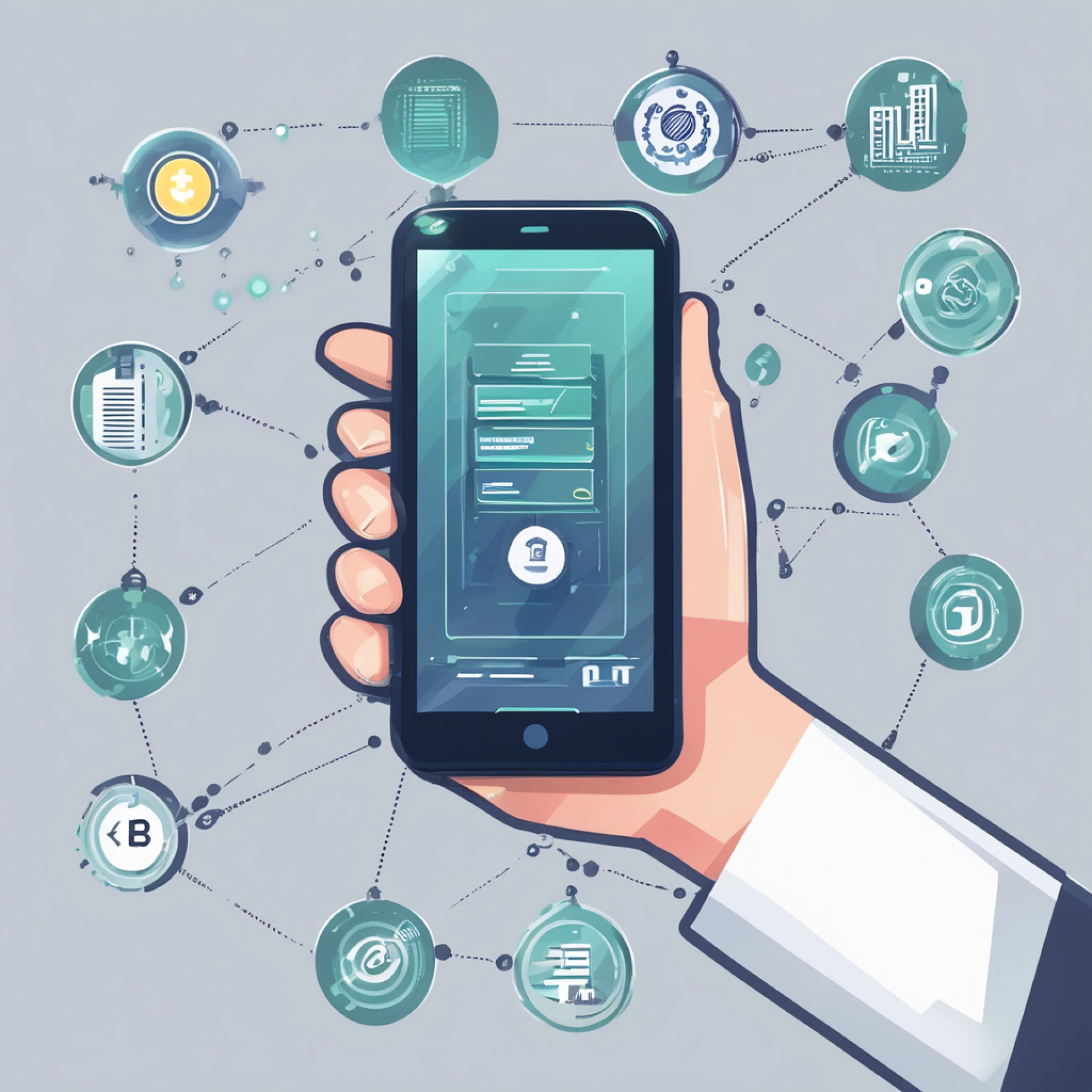
Asset tokenization is the process of converting tangible assets into digital tokens that can be securely stored, traded, and managed on a blockchain network. These assets can include:
- Real estate properties
- Precious metals like gold and silver
- Artwork and collectibles
- Intellectual property
- Stocks, bonds, and other securities
- Commodities like oil, gas, and agricultural products
Each token represents full or fractional ownership of an asset, making it easier to trade and invest in high-value assets without the need for traditional intermediaries.
How Blockchain Powers Asset Tokenization
Blockchain technology serves as the foundation of real-world asset tokenization by providing a decentralized, immutable ledger that ensures security and transparency. Here’s how the process works:
- Asset Identification: A physical asset is selected for tokenization.
- Smart Contract Creation: A blockchain-based smart contract is developed to automate transactions and ensure compliance.
- Token Generation: Digital tokens representing the asset are issued and recorded on the blockchain.
- Trading & Ownership Transfer: Investors can buy, sell, or trade these tokens in a secure, transparent manner.
- Regulatory Compliance: Legal frameworks are implemented to ensure tokenized assets adhere to regulations.
Why Asset Tokenization is the Future of Investing
1. Enhanced Liquidity
Traditional investments like real estate and artwork are often illiquid, requiring long holding periods. Tokenization allows fractional ownership, making it easier to trade portions of high-value assets on secondary markets.
2. Increased Accessibility
High-value assets have historically been limited to wealthy investors. With asset tokenization, even small investors can own fractions of valuable properties, gold reserves, or rare collectibles.
3. Lower Transaction Costs
Intermediaries such as banks, brokers, and legal professionals drive up costs in traditional asset trading. Tokenized assets reduce the need for middlemen, lowering transaction fees and improving efficiency.
4. Security & Transparency
Blockchain ensures all transactions are recorded on a tamper-proof ledger. This provides investors with real-time access to asset data, reducing fraud and enhancing trust.
5. Faster Transactions
Buying and selling traditional assets can take days or even weeks due to regulatory paperwork and intermediary processes. Tokenized assets can be transferred in real-time, enabling instant transactions.
Key Use Cases of Asset Tokenization
1. Real Estate Investments
Tokenization enables investors to buy fractional shares of properties, reducing entry barriers and increasing market liquidity.
2. Art & Collectibles
Rare paintings, sculptures, and collectibles can be divided into tokens, allowing broader ownership while ensuring authenticity through blockchain verification.
3. Precious Metals & Commodities
Gold, silver, and oil can be tokenized, providing investors with a secure way to trade these commodities without physical storage concerns.
4. Stock & Bond Markets
Tokenization can simplify access to equity and debt instruments, reducing settlement times and increasing investment opportunities.
5. Intellectual Property & Royalties
Musicians, authors, and artists can tokenize their work, enabling investors to own a share of future royalties and profits.
Steps to Develop an Asset Tokenization Platform
For businesses looking to launch an asset tokenization platform, the following steps are crucial:
1. Choose the Asset Type
Identify whether the platform will support real estate, securities, commodities, or digital assets.
2. Select the Right Blockchain
Opt for a blockchain that supports tokenization, such as Ethereum, Binance Smart Chain, or Polygon.
3. Develop Smart Contracts
Smart contracts automate transactions and ensure compliance with ownership rules and revenue distribution.
4. Regulatory Compliance & Legal Frameworks
Work with legal experts to ensure compliance with SEC regulations, AML (Anti-Money Laundering) policies, and other financial laws.
5. Create a User-Friendly Interface
A well-designed tokenization platform should enable seamless buying, selling, and transferring of tokenized assets.
6. Security & Auditing
Conduct rigorous audits to detect vulnerabilities and ensure smart contract integrity to prevent hacking and fraud.
7. Launch & Marketing Strategy
Promote the platform through SEO, paid ads, and influencer marketing to attract investors and asset holders.
Challenges & Risks of Asset Tokenization
While real-world asset tokenization offers numerous benefits, there are also challenges to consider:
- Regulatory Uncertainty: Tokenized assets operate in a complex legal landscape, requiring businesses to stay updated on regulations.
- Security Risks: Weak smart contract coding can make platforms vulnerable to cyberattacks.
- Market Adoption: Many investors are still unfamiliar with tokenized assets, necessitating education and awareness campaigns.
The Future of Real World Asset Tokenization
The future of investing is undoubtedly moving towards real-world asset tokenization. With advancements in NFTs, decentralized finance (DeFi), and AI-driven trading, tokenized assets will continue to shape global financial markets.
Governments and institutions are increasingly exploring blockchain integration to regulate and legitimize tokenized investments. This shift will create new investment opportunities while streamlining traditional asset management systems.
Conclusion
Real-world asset tokenization is not just a trend—it’s a revolutionary shift in how assets are owned, traded, and managed. Investors who embrace this change will gain access to more liquid, accessible, and secure investment opportunities.
If you’re an investor, entrepreneur, or financial institution, now is the perfect time to explore the world of tokenized assets. With the right knowledge and tools, you can capitalize on this game-changing innovation and be at the forefront of the future of investing.
Want to learn more? Connect with experts in asset tokenization and blockchain integration to kickstart your journey today!







Sign in to leave a comment.