
Over the past decade, mobile app development has come a long way, hasn’t it? Think about how much our lives have changed - there’s an app for almost everything now, from ordering food and booking cabs to managing finances and staying fit.
It’s amazing how technology has transformed these apps into essential tools that we use every day.
We’ve grown so dependent on mobile apps that they’re not just for entertainment or convenience anymore; they’re at the heart of how businesses operate too.
Whether it’s connecting with customers, improving productivity, or offering services in real time, mobile apps are driving it all.
So, what’s next? That’s exactly what we’re diving into here.
In this blog, we’ll explore the latest innovations and technologies that are shaping the future of mobile app development.
From AI and blockchain to 5G and beyond, let’s see how these trends are changing the game for developers, businesses, and users alike. Ready to take a peek into the future? Let’s get started!
Why the Future of Mobile App Development Matters
The world of mobile apps is constantly evolving, and staying ahead in this space is more important than ever. Think about how often we rely on apps - for shopping, banking, learning, and even staying fit.
People expect apps to be fast, easy to use, and packed with features that make their lives simpler. If developers and businesses don’t keep up, users will quickly move on to something better.
Emerging technologies are the game changers here. They help solve some of the biggest challenges app developers face today, like:
Scalability
As user bases grow, apps need to handle more traffic and larger datasets without slowing down. Technologies like cloud integration and 5G networks make this possible by improving speed and capacity.
Security
With so much sensitive information being shared on apps - like bank details or health data - security is a top priority. Blockchain technology is stepping in to ensure secure, tamper-proof transactions and data sharing.
User Engagement
Keeping users engaged is tough, especially with so many apps competing for attention. But tools like AI and machine learning are helping apps understand user preferences better.
This means apps can offer personalized experiences, like tailored recommendations or helpful reminders, that make users want to come back.
Emerging Technologies in Mobile App Development
The future of mobile app development is being shaped by some exciting technologies.
Let’s explore how these innovations are changing the way we build and use mobile apps, with practical examples to help you understand their impact.
1. Artificial Intelligence (AI) and Machine Learning (ML)
AI and ML are already transforming how mobile apps work, and their influence is only growing. These technologies make apps smarter by learning from user behavior.
For example, have you noticed how your favorite streaming app recommends movies you might like? That’s AI in action.
Predictive analytics helps apps suggest content based on what you’ve watched before. Similarly, chatbots powered by AI are making customer service faster and more efficient by answering questions instantly.
AI and ML also play a role in improving app performance and personalizing experiences, such as tailoring shopping recommendations or creating fitness plans based on your activity level.
2. Blockchain Technology
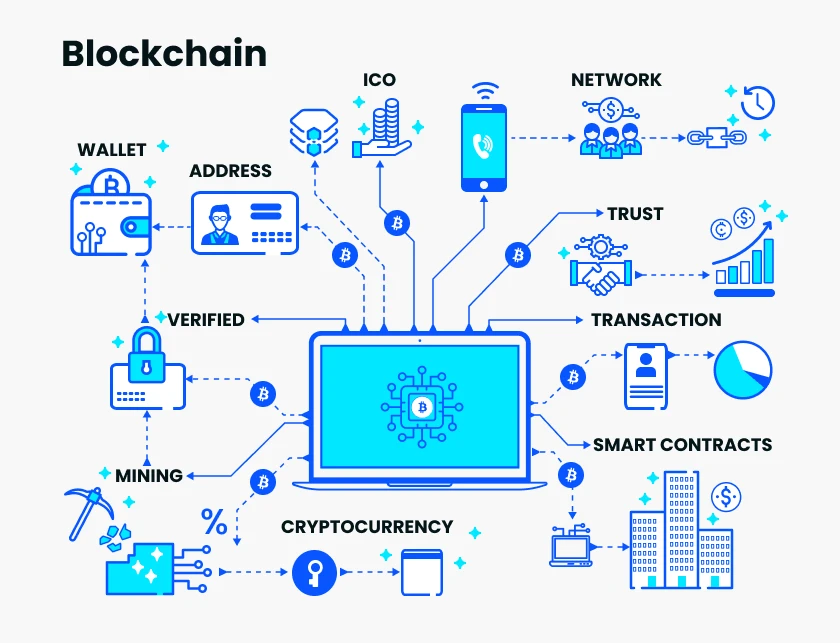
Blockchain might sound like a complex buzzword, but it’s actually making apps more secure and trustworthy. It’s like having a digital ledger where all transactions are recorded and can’t be tampered with.
Take digital wallets as an example. Apps like these use blockchain to make transactions safe and transparent. Decentralized apps (dApps) are another exciting innovation, where users can interact directly without relying on a central authority, offering more privacy and control.
If you’re building apps that deal with sensitive data or transactions, blockchain can add an extra layer of security.
3. Internet of Things (IoT)
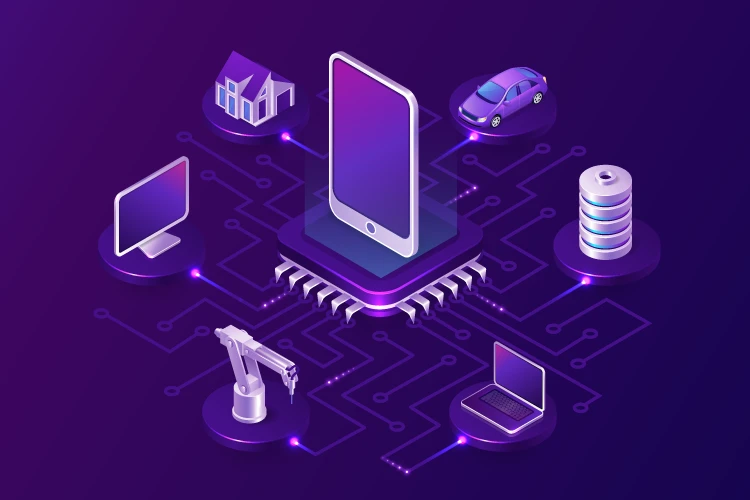
Have you ever controlled your home’s lights or thermostat with your phone? That’s IoT in action! IoT connects everyday devices to the internet, and mobile apps act as the remote controls.
Smart home apps are becoming increasingly popular, allowing you to manage appliances, locks, and cameras from anywhere. Healthcare is also seeing a big shift, with wearable devices like fitness trackers syncing data with apps to monitor your health in real-time.
As IoT grows, apps will become even more essential for managing the smart devices around us.
4. 5G Technology
You’ve probably heard about 5G, but what does it mean for mobile apps? Simply put, 5G makes apps faster and more powerful. It provides lower latency, which means less delay when loading or streaming content.
For example, AR/VR apps will run much smoother with 5G. Imagine playing an augmented reality game without any lag or experiencing lifelike virtual tours through your phone.
Even high-definition video streaming apps will work seamlessly, offering crystal-clear visuals without buffering.
With 5G, apps can deliver experiences we could only dream of a few years ago.
5. Augmented Reality (AR) and Virtual Reality (VR)
AR and VR are no longer just for gamers; they’re finding their way into other industries too. AR adds virtual elements to the real world, while VR immerses you in a completely digital environment.
Retailers are using AR to let customers "try on" clothes or visualize furniture in their homes before buying.
For example, an app can show how a new couch would look in your living room using AR.
Education apps are also leveraging VR to create immersive learning experiences, like virtual field trips to historical landmarks or outer space.
The potential of AR and VR in mobile apps is vast and incredibly exciting for both developers and users.
Conclusion
Mobile app development is evolving faster than ever, with technologies like AI, blockchain, IoT, 5G, and AR/VR paving the way for a more connected and innovative future.
These advancements aren’t just trends—they’re shaping how we interact with apps in our everyday lives and how businesses deliver value to their customers.
Adopting these technologies isn’t just about staying ahead of the competition; it’s about creating apps that solve real problems, provide better user experiences, and adapt to the changing needs of the market.
Whether it’s using AI to personalize experiences, blockchain to ensure secure transactions, or 5G to enhance speed and performance, the possibilities are endless.
Now’s the time to explore how you can integrate these innovations into your app development plans.
Start small, experiment, and keep learning. The future of mobile apps is exciting, and you have the chance to be a part of it. So, what’s your next big app idea? Let’s build something amazing!












Sign in to leave a comment.