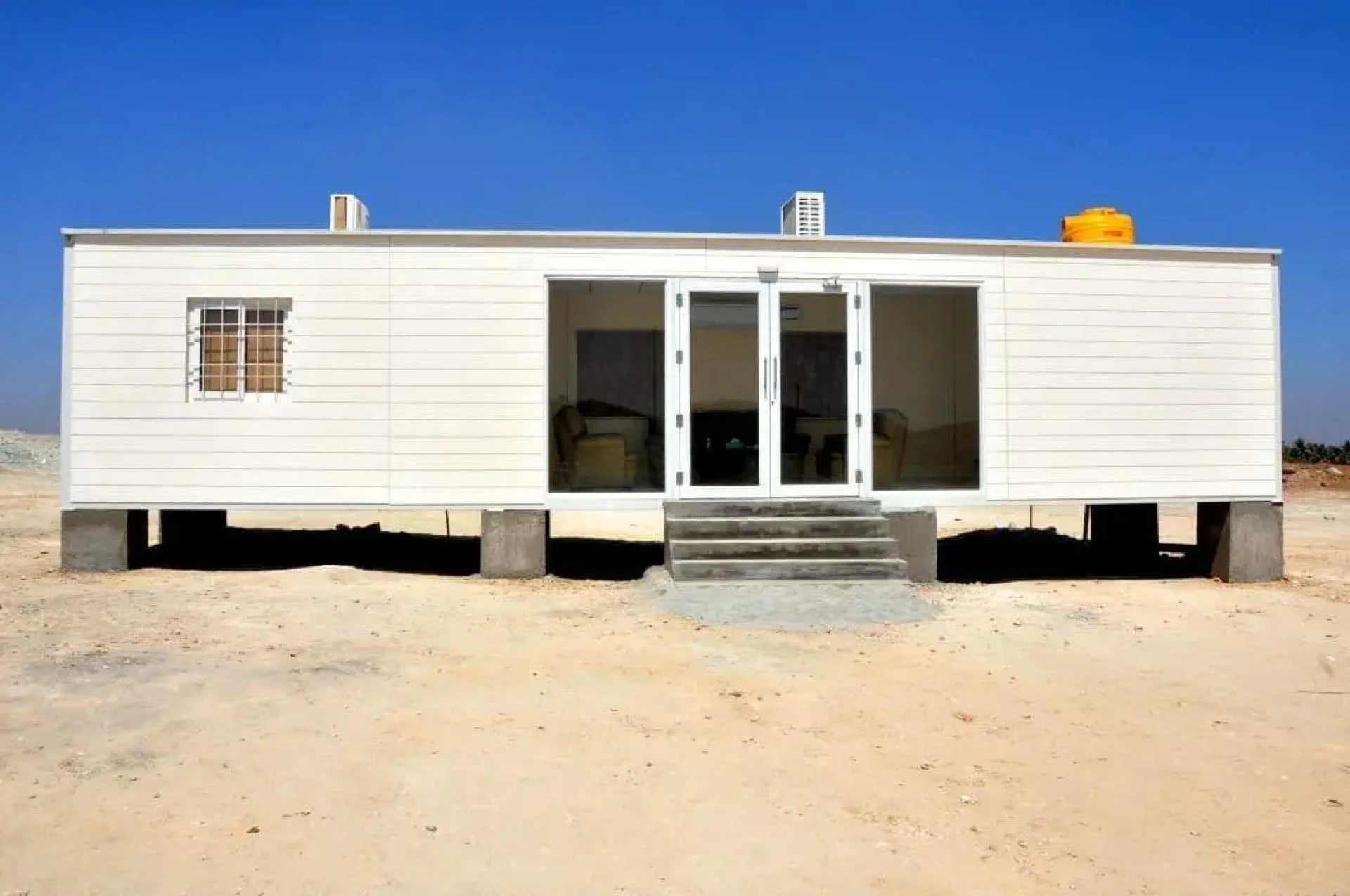

Portable Cabins in Urban Development
As urbanization accelerates across the globe, cities are grappling with a host of challenges, including limited space, high housing costs, and the need for sustainable development. In response, portable cabins have emerged as a promising solution, offering a flexible, cost-effective, and environmentally friendly alternative to traditional construction methods. These versatile structures are increasingly being integrated into urban landscapes, revolutionizing the way cities are planned and developed. This article delves into the future of portable cabins in urban development, exploring their potential to address key urban challenges and shape the cities of tomorrow.
Addressing the Urban Housing Crisis
One of the most pressing issues in urban development is the housing crisis. As cities become more crowded, the demand for affordable housing continues to outstrip supply. Portable cabins offer a scalable solution to this problem. These structures can be quickly manufactured, transported, and assembled, providing an efficient way to create affordable housing in densely populated areas. Moreover, portable cabins can be stacked or arranged in innovative configurations to maximize the use of limited space, making them ideal for urban settings where land is at a premium.
Temporary Housing for Transitional Populations
Portable cabins are also playing a crucial role in providing temporary housing for transitional populations, such as refugees, migrants, and those displaced by natural disasters. In urban areas, where space is often limited, portable cabins offer a flexible solution that can be rapidly deployed to meet the urgent need for shelter. These cabins can be designed to offer basic amenities, including sanitation and cooking facilities, ensuring that residents have a safe and dignified place to stay during periods of transition.
Pop-Up Retail and Commercial Spaces
In the retail and commercial sectors, the concept of pop-up spaces has gained significant traction, and portable cabins are at the forefront of this trend. These cabins can be easily transformed into temporary shops, cafes, or offices, allowing businesses to establish a presence in urban areas without the need for long-term leases or significant capital investment. The mobility of portable cabins also enables businesses to adapt quickly to changing market conditions, moving to new locations as needed to capitalize on foot traffic and consumer demand.
Eco-Friendly and Sustainable Urban Solutions
As cities strive to become more sustainable, portable cabins offer a range of eco-friendly benefits. These structures can be built using sustainable materials and equipped with green technologies, such as solar panels and rainwater harvesting systems. Additionally, portable cabins have a smaller environmental footprint compared to traditional construction methods, as they generate less waste and require fewer resources to produce. In urban settings, portable cabins can be used to create green spaces, urban farms, or community gardens, contributing to a more sustainable and livable environment.
Flexible Urban Workspaces
The rise of remote work and the gig economy has created a demand for flexible workspaces that can be adapted to different needs. Portable cabins are uniquely suited to meet this demand, offering a versatile solution for co-working spaces, start-up hubs, or remote offices in urban areas. These cabins can be customized with ergonomic furniture, high-speed internet, and other amenities to create a productive work environment. Moreover, portable cabins can be easily relocated or reconfigured, allowing cities to repurpose underutilized spaces and support the growing need for flexible urban workspaces.
Enhancing Urban Resilience
Urban resilience is becoming increasingly important as cities face threats from climate change, natural disasters, and other challenges. Portable cabins can enhance urban resilience by providing emergency shelters, disaster response centers, and other critical infrastructure that can be rapidly deployed in times of need. These cabins can be pre-positioned in strategic locations within cities, ensuring that they are readily available when disaster strikes. Their modular design also allows for easy expansion and adaptation, enabling cities to respond more effectively to evolving threats.
Innovating Urban Design and Architecture
The integration of portable cabins into urban development is driving innovation in urban design and architecture. These structures challenge traditional notions of building permanence and encourage new approaches to space utilization and aesthetics. Architects and urban planners are experimenting with modular designs, mixed-use developments, and creative layouts that incorporate portable cabins in innovative ways. This trend is leading to the creation of dynamic urban environments that are more adaptable, sustainable, and responsive to the needs of modern city dwellers.
Affordable and Rapid Urban Infrastructure Development
In rapidly growing cities, the need for infrastructure often outpaces the ability to construct it. Portable cabins provide a solution for the rapid development of essential urban infrastructure, such as schools, clinics, and community centers. These cabins can be deployed quickly and at a lower cost than traditional buildings, allowing cities to meet the needs of their populations more efficiently. This approach not only accelerates infrastructure development but also allows for greater flexibility in planning, as portable cabins can be relocated or repurposed as urban needs evolve.
Revitalizing Underutilized Urban Spaces
Urban areas are often dotted with underutilized or abandoned spaces that could be revitalized to benefit the community. Portable cabins offer a way to breathe new life into these areas by creating temporary installations, such as art galleries, cultural centers, or event venues. These pop-up initiatives can attract visitors, stimulate local economies, and foster a sense of community engagement. By transforming vacant lots, parking areas, or derelict buildings into vibrant spaces, portable cabins contribute to the regeneration of urban neighborhoods.
The Future of Urban Living
As cities continue to evolve, portable cabins are set to play an increasingly important role in shaping the future of urban living. Their versatility, affordability, and sustainability make them an attractive option for addressing the complex challenges of urban development. From providing affordable housing and flexible workspaces to enhancing urban resilience and fostering innovation, portable cabins offer a blueprint for the cities of tomorrow. As urban populations grow and the demand for adaptable, sustainable solutions increases, portable cabins will undoubtedly become a key component of urban development strategies worldwide.










Sign in to leave a comment.