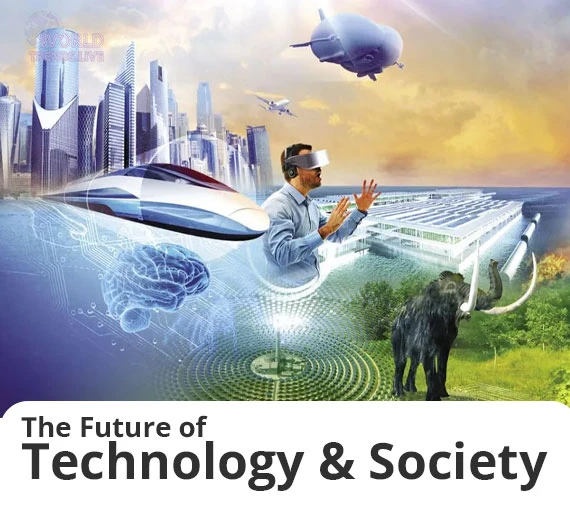

Technology has always been a driving force in shaping society, from the invention of the wheel to the advent of the internet.
In recent years, technological innovation has surged at an unprecedented rate.
Emerging technologies like artificial intelligence (AI), robotics, and biotechnology are poised to revolutionize various aspects of our daily lives.
This article author explores the potential impacts of these technologies on society in a more straightforward manner.
Artificial Intelligence in Terms of Automation and Challenges
Artificial intelligence holds the promise of automating many tasks currently performed by humans, which could boost productivity and economic growth.
However, this advancement also raises concerns about job displacement and societal challenges.
Prospective Benefits: AI's ability to automate tasks may enhance productivity and lead to economic growth.Challenges Ahead: Job displacement and social implications, including potential unemployment, must be addressed.Changing the Workforce Landscape of Robotics
The increasing capabilities and affordability of robotics may significantly reshape the workforce, introducing both opportunities and challenges across various industries.
Enhancing Workforce: Robots can perform a wide range of tasks, from manufacturing to healthcare, potentially creating new job opportunities.Job Displacement: However, the widespread adoption of robotics could lead to job losses in certain sectors, requiring workforce adaptation.Biotechnology: Advances and Ethical Concerns of
Biotechnology, particularly gene editing, presents the potential to treat diseases and enhance human performance. Yet, ethical dilemmas and misuse concerns loom.
Healthcare Advancements: Gene editing can improve disease treatment and human capabilities, offering significant medical advancements.Ethical Questions: Ethical considerations surrounding biotechnology's use, potential misuse, and regulatory frameworks must be addressed.Broader Trends Shaping the Future
Beyond these specific technologies, several overarching trends are poised to shape the future of technology and society.
The Data Economy: The ever-increasing generation and utilization of data are driving product development, improved decision-making, and task automation. However, concerns about privacy and security in the data-driven world are emerging.
Global Interconnectedness: The internet and related technologies have facilitated global connectivity, leading to increased globalization and cross-cultural exchange. Nevertheless, the digital world's vulnerability to cyber threats and attacks is a growing concern.
Uncertainties and Predictions
While the future of technology and society remains uncertain, it is evident that technology will continue to play a pivotal role. Preparing for potential impacts is crucial to maximize benefits and mitigate risks.
Examples of Potential Impact on Society
Here are specific examples of how technology may influence society in the future:
AI-Powered Medical Diagnostics: Earlier and more accurate disease diagnoses may lead to improved health outcomes and reduced healthcare costs.
Self-Driving Cars: Enhanced transportation efficiency and reduced traffic accidents are expected, but job losses in industries like taxi and truck driving may occur.
Renewable Energy Technologies: Technologies like solar and wind power can contribute to mitigating climate change, but they may also result in job losses in the fossil fuel industry.
Online Education: Increased accessibility and affordability of education through online platforms could revolutionize learning. However, it may also lead to job losses for traditional educators.
Uneven Distribution and Digital Divide
The impact of technology is not evenly distributed, with disparities in access and benefits. Bridging the digital divide between developed and developing regions is a significant challenge.
As technology continues to evolve, thoughtful consideration of its potential societal impacts, coupled with the development of policies and strategies, is imperative to ensure equitable access and benefits for all.









Sign in to leave a comment.