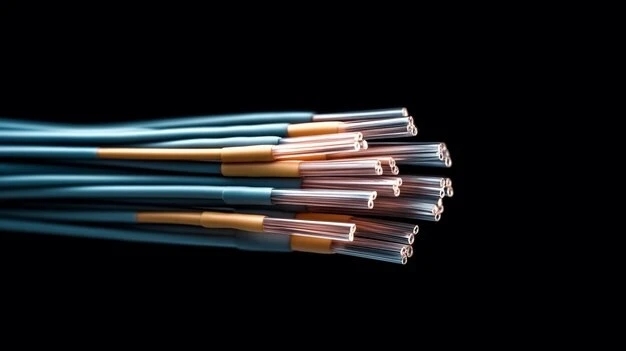

Underwater power transmission has become an essential part of global energy infrastructure, connecting offshore renewable energy sources like wind farms and tidal plants to onshore grids. The next generation of underwater cables is addressing challenges like efficiency, durability, and sustainability to meet the increasing demands of energy transmission in marine environments. These advanced cables are paving the way for a more connected, sustainable energy future.
1. The Growing Importance of Underwater Power Transmission
Underwater cables are critical for enabling the transition to renewable energy, as they link offshore energy generation sites to power grids. With the expansion of offshore wind farms and tidal power installations, underwater cables are required to handle higher capacities while ensuring minimal energy loss.
- Offshore Wind Farms: High-voltage cables transmit electricity from offshore turbines to mainland grids, playing a key role in renewable energy integration.
- Intercontinental Connections: Subsea power cables connect countries, enabling cross-border energy sharing and supporting global energy demands.
2. Challenges in Underwater Power Transmission
The harsh marine environment poses unique challenges for subsea cables, including:
- Mechanical Stress: Cables must withstand underwater currents, fishing activities, and ship anchors.
- Corrosion Resistance: Exposure to saltwater accelerates material degradation, necessitating durable coatings and materials.
- Energy Losses: Long-distance transmission can lead to efficiency losses, particularly in alternating current (AC) systems.
3. Innovations in Subsea Cable Design
Advanced technologies are addressing these challenges, enabling more efficient and resilient underwater power transmission systems.
- High-Voltage Direct Current (HVDC) Cables: HVDC technology minimizes energy losses over long distances, making it ideal for subsea applications. These cables also allow for higher power capacity compared to traditional AC systems.
- Advanced Insulation Materials: Cross-linked polyethylene (XLPE) and other advanced polymers improve thermal stability and reduce energy losses, ensuring reliable performance under high loads.
- Corrosion-Resistant Coatings: Modern cables feature durable outer layers, such as polyethylene or polyurethane, to resist saltwater corrosion and extend lifespan.
4. Supporting Renewable Energy Integration
Underwater cables play a vital role in connecting offshore renewable energy sources to onshore grids.
- Offshore Wind Energy: High-voltage subsea cables transmit clean energy generated by wind turbines, supporting the decarbonization of energy systems.
- Tidal and Wave Power: Subsea cables facilitate energy transfer from emerging renewable technologies, such as tidal and wave power plants, to power grids.
5. Sustainability and Future Innovations
As the demand for subsea cables grows, manufacturers are adopting sustainable practices to reduce their environmental impact.
- Eco-Friendly Materials: Using recyclable and halogen-free materials minimizes environmental harm and aligns with sustainability goals.
- Smart Monitoring Systems: Advanced cables equipped with embedded sensors provide real-time data on cable performance, enabling predictive maintenance and reducing failure rates.
- Nanotechnology: The use of nanomaterials in cable insulation and coatings enhances durability, thermal performance, and resistance to environmental factors.
Conclusion:
The future of underwater power transmission lies in advanced cable technologies that ensure efficiency, durability, and sustainability. As offshore renewable energy systems expand, these cables will play an increasingly vital role in supporting the global transition to cleaner energy sources. Companies like Ducab are leading the charge by developing innovative subsea cables designed to meet the demands of modern power transmission while promoting environmental responsibility.
FAQs: The Future of Underwater Power Transmission Using Advanced Cables
1. Why are underwater cables important for renewable energy?
Underwater cables connect offshore energy sources, like wind farms and tidal plants, to onshore grids, facilitating renewable energy integration.
2. What are the challenges in subsea power transmission?
Challenges include mechanical stress, corrosion from saltwater, and efficiency losses over long distances.
3. How does HVDC technology benefit subsea cables?
HVDC cables minimize energy losses and support higher power capacities, making them ideal for long-distance underwater transmission.
4. What materials enhance the durability of underwater cables?
Materials like cross-linked polyethylene (XLPE) and corrosion-resistant coatings ensure cables perform reliably in harsh marine environments.
5. What innovations are shaping the future of subsea cables?
Innovations include smart monitoring systems, nanotechnology for insulation, and eco-friendly materials to improve performance and sustainability.
6. How does Ducab contribute to underwater power transmission?
Ducab develops advanced subsea cables with high performance, durability, and sustainability to meet the demands of modern power systems.




























Sign in to leave a comment.