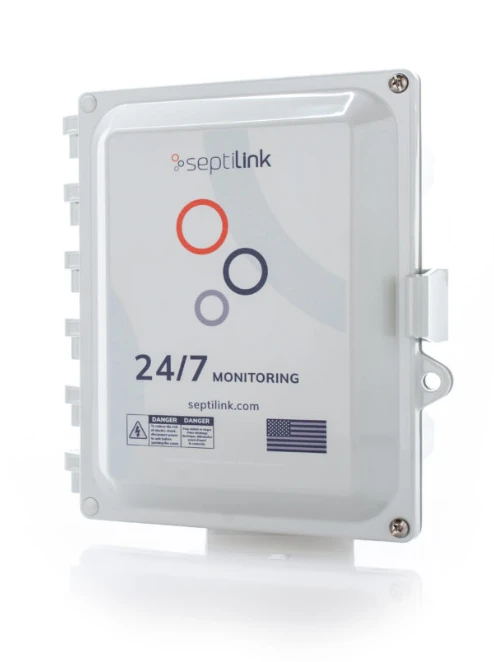
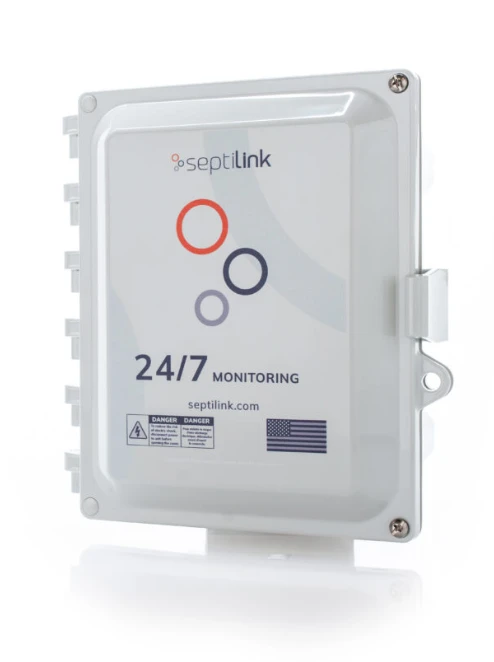
As technology continues to transform everyday life, wastewater management is evolving right alongside it. Homeowners and industry professionals are increasingly turning to remote septic monitoring as an innovative solution for maintaining septic systems efficiently and responsibly. By leveraging environmental technology and IoT (Internet of Things), this modern approach supports system reliability, public health, and environmental protection.
Understanding Remote Septic Monitoring
Remote septic monitoring is a technology-driven solution that enables real-time oversight of septic system performance from virtually anywhere. Using connected sensors, these systems collect vital data such as tank levels, flow rates, and temperature. This information is transmitted to a centralized platform, allowing users to monitor performance and receive alerts before small issues escalate into costly problems.
Why Remote Septic Monitoring Matters
Adopting remote monitoring transforms septic system maintenance from a reactive process into a proactive strategy.
Key Reasons to Use Remote Monitoring
- Proactive Maintenance
Early detection of irregularities helps prevent system failures, emergency repairs, and service interruptions. - Environmental Protection
Continuous monitoring reduces the risk of leaks and overflows that can contaminate soil and nearby water sources. - Cost Efficiency
Timely maintenance extends system lifespan and minimizes expensive repairs, offering long-term financial savings.
Key Benefits of Remote Septic Monitoring
Remote septic monitoring offers measurable advantages for both homeowners and wastewater professionals.
Core Benefits
- Real-Time Alerts
Instant notifications allow quick response to potential issues. - Data-Driven Decisions
Access to detailed system data supports targeted and effective maintenance. - Enhanced System Performance
Continuous oversight ensures optimal operation and reduces unexpected breakdowns.
The Role of IoT in Septic System Management
IoT technology plays a crucial role in advancing wastewater management. Sensors and connected devices enable seamless data flow, improving system reliability and reducing environmental impact. This integration aligns septic management with modern sustainability goals and smarter infrastructure practices.
Future Trends in Remote Septic Monitoring
As technology progresses, remote septic monitoring systems will continue to evolve and improve.
Emerging Developments
- Increased Connectivity
Improved communication networks will deliver faster and more reliable data transmission. - Predictive Analytics
AI and machine learning will help predict potential failures using historical system data, enabling preventive maintenance. - Smart Home Integration
Septic monitoring systems will increasingly connect with smart home platforms, providing a unified view of household operations.
How to Implement Remote Septic Monitoring
For homeowners and organizations considering adoption, a structured approach ensures successful implementation.
Implementation Steps
- Evaluate System Needs
Assess your septic system’s size, usage, and monitoring requirements. - Select a Reliable Provider
Choose a provider offering compatible technology, strong customer support, and transparent pricing. - Professional Installation and Training
Ensure proper setup and take advantage of training resources to maximize system benefits. - Ongoing Monitoring
Review system data regularly and respond promptly to alerts to maintain peak performance.
Conclusion
Remote septic monitoring represents the future of wastewater management by combining IoT innovation with environmental responsibility. This technology empowers homeowners and professionals to maintain efficient septic systems, reduce operational costs, and protect public health and natural resources. As advancements continue, embracing remote septic monitoring will become an essential step toward smarter, more sustainable wastewater management.

Sign in to leave a comment.