
Introduction To Electric Mobility
The global transportation landscape is undergoing a remarkable transformation, with a growing shift toward environmentally friendly alternatives. Among these, the electric car has emerged as a revolutionary innovation that promises to reshape the way we move. As nations face increasing pressure to reduce emissions, embrace sustainability, and move away from fossil fuel dependency, electric vehicles are now more than just a trend — they represent the future of smart transportation.
Understanding The Technology Behind Electric Cars
An electric car operates by using an electric motor powered by a battery pack instead of a traditional internal combustion engine. These batteries, typically lithium-ion, store electricity which is then used to drive the motor. Regenerative braking systems in these vehicles also allow energy recovery during deceleration, improving efficiency.
Unlike gasoline-powered cars, electric vehicles produce zero tailpipe emissions, making them ideal for urban environments. Additionally, advancements in battery technology have significantly increased the driving range and reduced charging times, making the electric car a more practical choice than ever before.
Benefits Of Driving An Electric Car
There are numerous benefits associated with choosing an electric car over a conventional vehicle. Firstly, the environmental impact is significantly lower. Since there are no direct emissions, air quality improves, especially in densely populated cities. Secondly, these cars are often cheaper to operate. Charging an electric vehicle usually costs less than filling a tank with gasoline, and maintenance expenses are reduced due to fewer moving parts.
Moreover, many countries offer financial incentives such as tax credits, reduced registration fees, and rebates to encourage electric car adoption. These benefits make switching to electric both an eco-conscious and economically sensible decision.
Challenges Faced By The Electric Car Industry
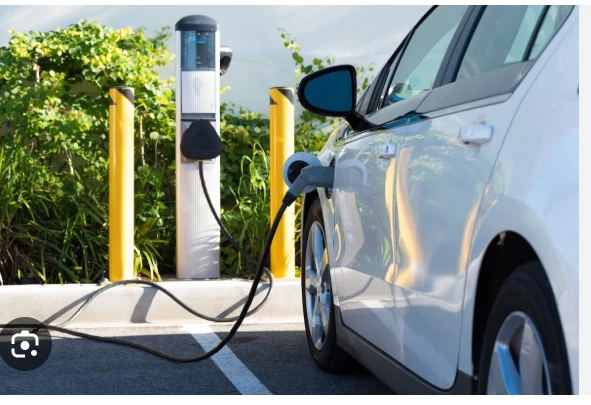
Despite its advantages, the electric car industry is not without challenges. One of the biggest hurdles is the charging infrastructure. In many regions, charging stations are still limited, making long-distance travel difficult. Another concern is the battery life and replacement cost. Although battery performance has improved, degradation over time remains a concern for many users.
Additionally, the production of batteries raises environmental and ethical questions due to the mining of rare earth metals. Manufacturers are working on more sustainable and ethical sourcing methods, but it remains an issue that the industry must address.
Role Of Government And Policy Makers
Government involvement is critical to the successful adoption of electric vehicles. Supportive policies, including investment in public charging infrastructure, subsidies for vehicle purchases, and stricter emissions regulations, can greatly accelerate the transition. Countries like Norway, the Netherlands, and China have demonstrated how aggressive policy measures can boost electric car sales and reduce pollution.
Moreover, urban planning needs to adapt to accommodate charging points in residential areas, public parking lots, and workplaces. Only with such supportive frameworks can the electric car become mainstream.
Innovations Driving The Future
The electric car industry is rapidly evolving, with major innovations being introduced every year. Solid-state batteries are one promising development, offering greater energy density and safety. Wireless charging technology is also being tested, which could allow drivers to charge their vehicles without plugging in, simply by parking in a designated space.
Autonomous driving features are increasingly being integrated into electric models, making them not only greener but also smarter. Integration with smart grids could allow vehicles to feed power back into the system, turning every electric car into a potential energy storage unit.
The Environmental Impact
The environmental footprint of an electric car is significantly lower than that of a conventional vehicle. While battery production does have a electric car high initial impact, the long-term savings in emissions during use far outweigh the initial cost. Life-cycle assessments show that electric cars are cleaner from production to disposal, especially when powered by renewable energy.
Moreover, as more electric vehicles replace petrol and diesel cars, noise pollution in cities is expected to decrease. The shift contributes to a quieter and more peaceful urban environment, which is beneficial for both physical and mental well-being.
Economic Opportunities And Job Creation
The rise of the electric car has opened up new economic opportunities. From manufacturing and battery development to software engineering and infrastructure building, the industry has the potential to create millions of jobs worldwide. As traditional automakers pivot to electric models, there is a growing demand for new skills and technologies.
Startups and tech companies are also entering the market, bringing innovation and competition. This growth not only stimulates the economy but also encourages further development of sustainable solutions.
Consumer Adoption And Awareness
Consumer awareness plays a significant role in the adoption of electric vehicles. As more people become educated about the environmental and economic benefits, the perception of electric cars is changing. Marketing campaigns, real-life testimonials, and test-driving experiences are helping to shift public opinion.
Still, concerns about range, charging availability, and upfront costs need to be addressed. Providing accurate information and demonstrating real-world advantages are essential for increasing trust in electric mobility.
Conclusion
The journey toward a more sustainable future is closely linked with the growth of electric transportation. The electric car, once considered a novelty, is now a symbol of progress in both technology and environmental responsibility. With ongoing innovation, supportive policies, and increasing consumer awareness, the road ahead is clear.
Electric vehicles are no longer just an option — they are quickly becoming the standard. Investing in this technology not only benefits individual drivers but also contributes to a healthier planet. The transition may have its challenges, but the destination promises a cleaner, smarter, and more efficient world on wheels.
































Sign in to leave a comment.