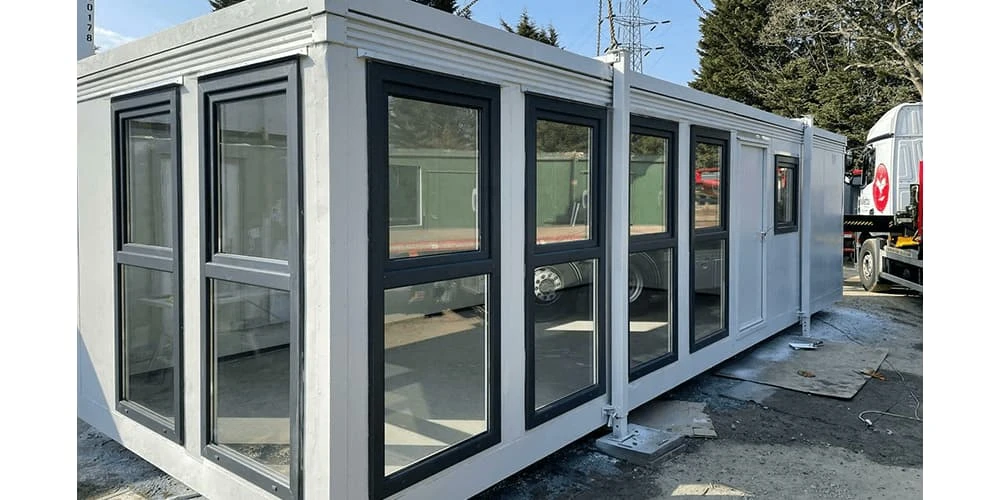

The construction industry is undergoing a significant transformation as businesses and developers embrace faster, more efficient, and sustainable methods of building. Among these innovative approaches, modular containers have emerged as a powerful solution. Modular containers are no longer just simple storage units; they are now being repurposed and redesigned into versatile, cost-effective, and eco-friendly structures. The rising demand for modular containers in construction is reshaping the way infrastructure is developed, offering adaptability, durability, and affordability.
Understanding Modular Containers
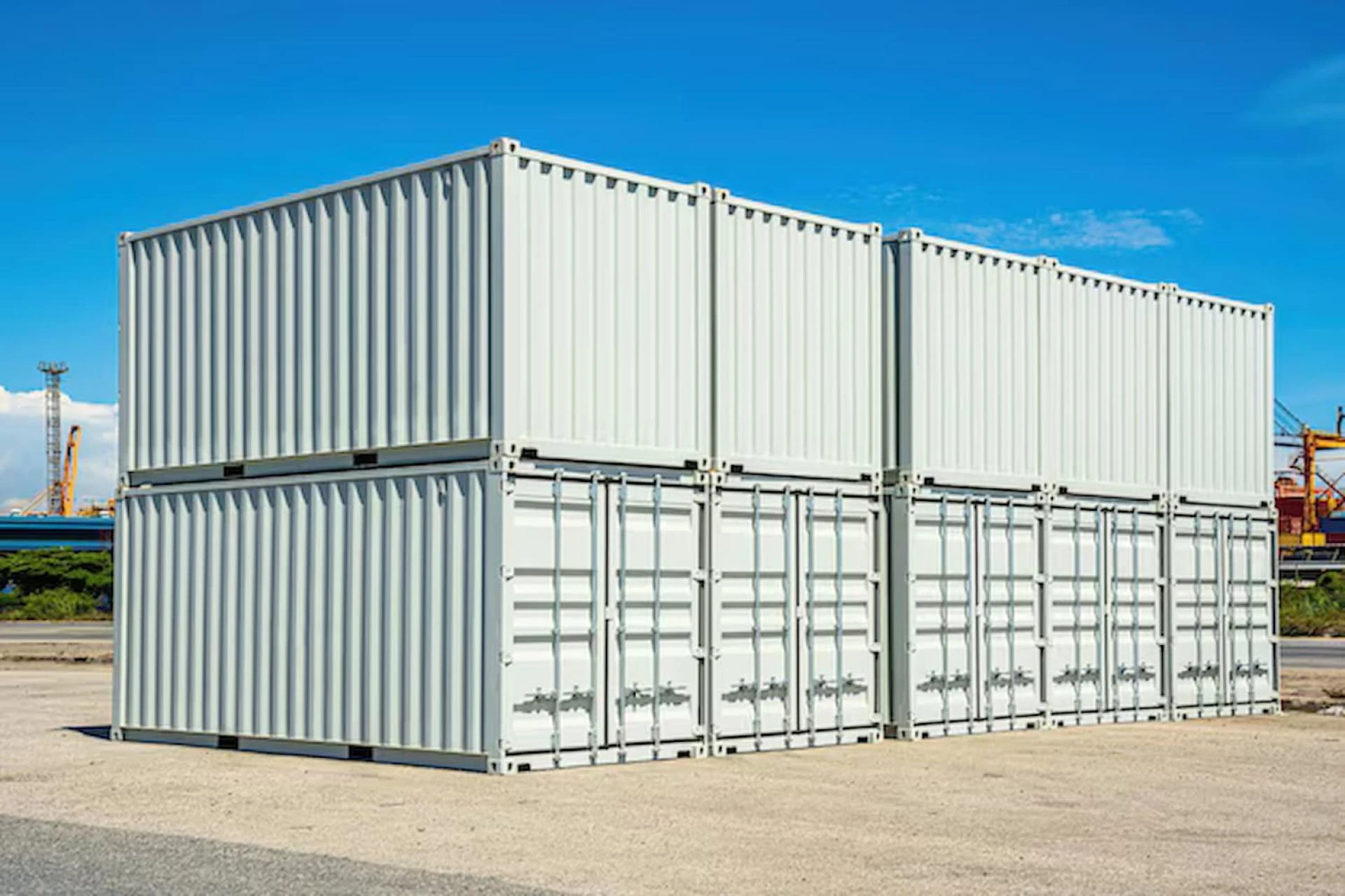
Modular containers are prefabricated units built from robust steel shipping containers or purpose-designed modules. They are manufactured in controlled factory environments and transported to construction sites for assembly. Their modular nature allows them to be stacked, expanded, and customized to meet various requirements.
Key Characteristics of Modular Containers
- Durability: Made of high-strength steel, they are weather-resistant and long-lasting.
- Adaptability: Can be modified into offices, homes, storage areas, or temporary facilities.
- Cost efficiency: Modular containers require fewer resources compared to traditional builds.
- Portability: They can be transported easily from one site to another.
Why Modular Containers Are Becoming Popular in Construction
Speed of Deployment
One of the greatest advantages of modular containers is the speed at which they can be deployed. Traditional construction often takes months or even years to complete. Modular containers, however, can be delivered, modified, and installed in just a few weeks. For industries where time is critical, such as large-scale construction projects, this speed is invaluable.
Cost Savings
The affordability of modular containers is another major factor driving demand. Since they are prefabricated and require less labor and raw materials, the costs are significantly lower than conventional buildings. For developers seeking budget-friendly yet high-quality solutions, modular containers offer an excellent alternative.
Sustainability and Eco-Friendliness
Sustainability has become a core concern for the construction industry. Modular containers support eco-friendly initiatives by reusing existing materials and reducing construction waste. Repurposing containers prevents them from becoming scrap metal, while efficient insulation and design can lower energy consumption.
Versatility in Design
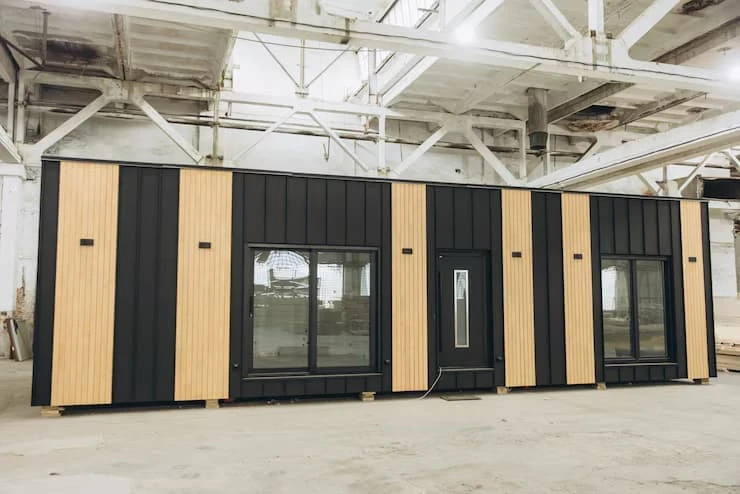
Modern modular containers can be tailored for a variety of uses. From site offices and temporary housing to retail spaces and classrooms, their design potential is virtually limitless. This adaptability makes them an ideal solution for projects with evolving needs.
Applications of Modular Containers in Construction
Site Offices and Workspaces
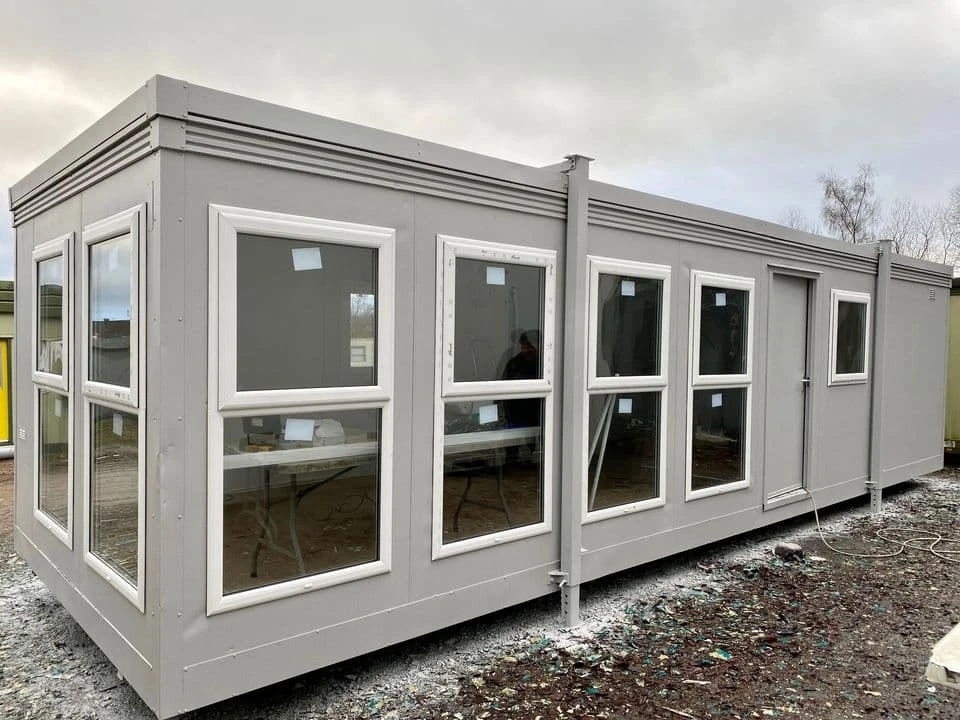
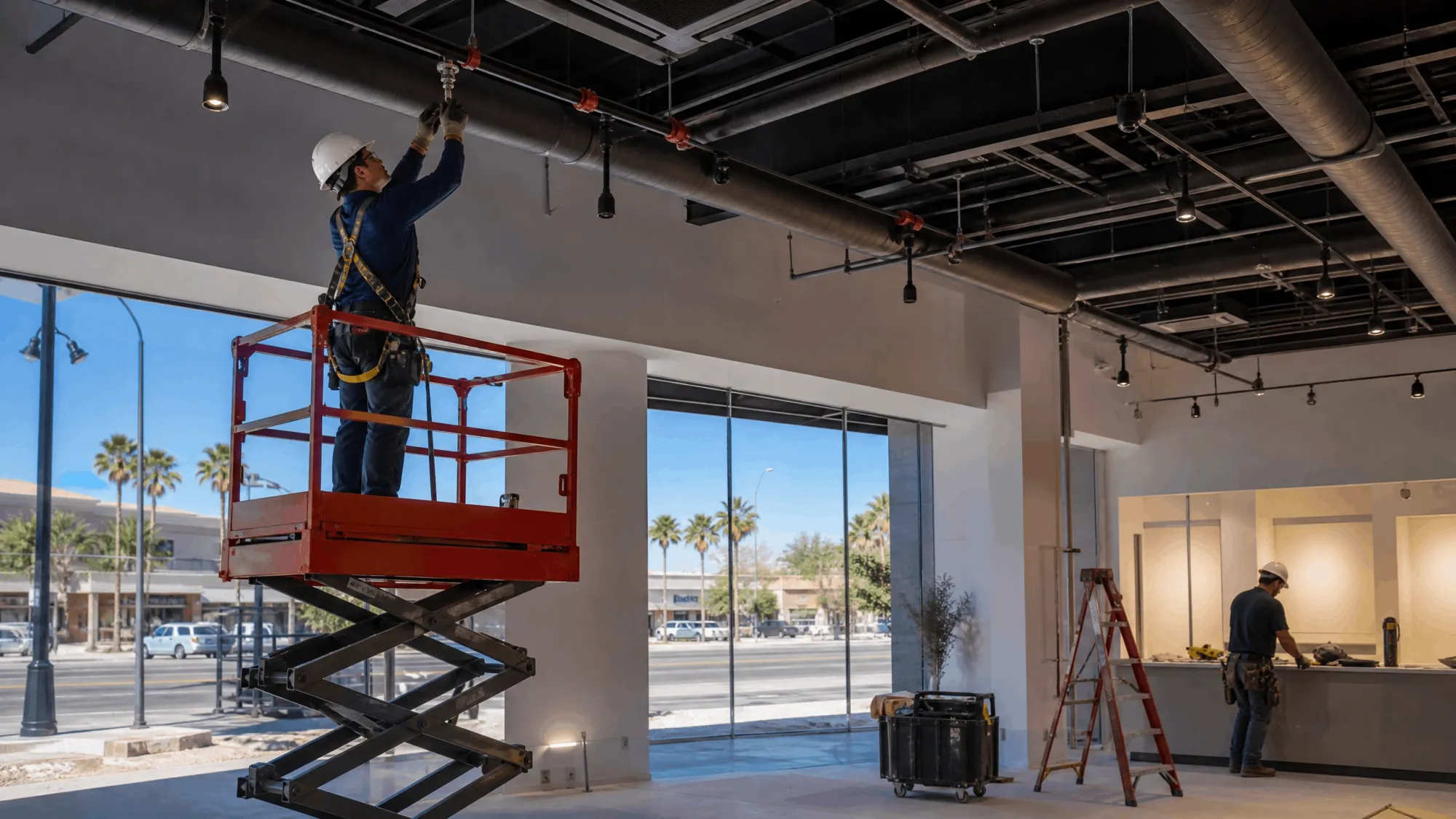
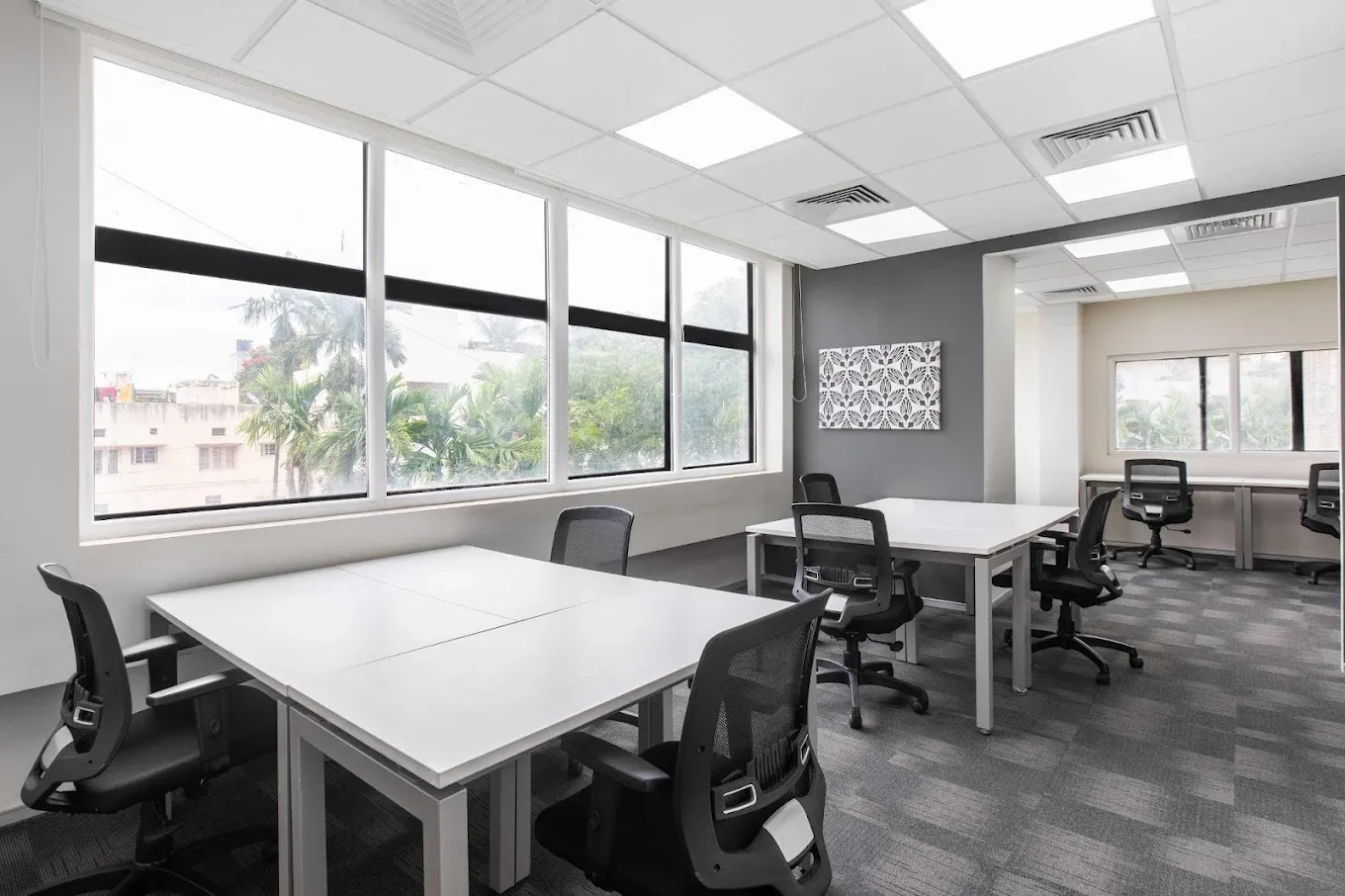
Construction projects often require temporary offices for engineers, project managers, and staff. Modular containers can be quickly converted into functional site offices equipped with furniture, electricity, and climate control systems.
Worker Accommodation
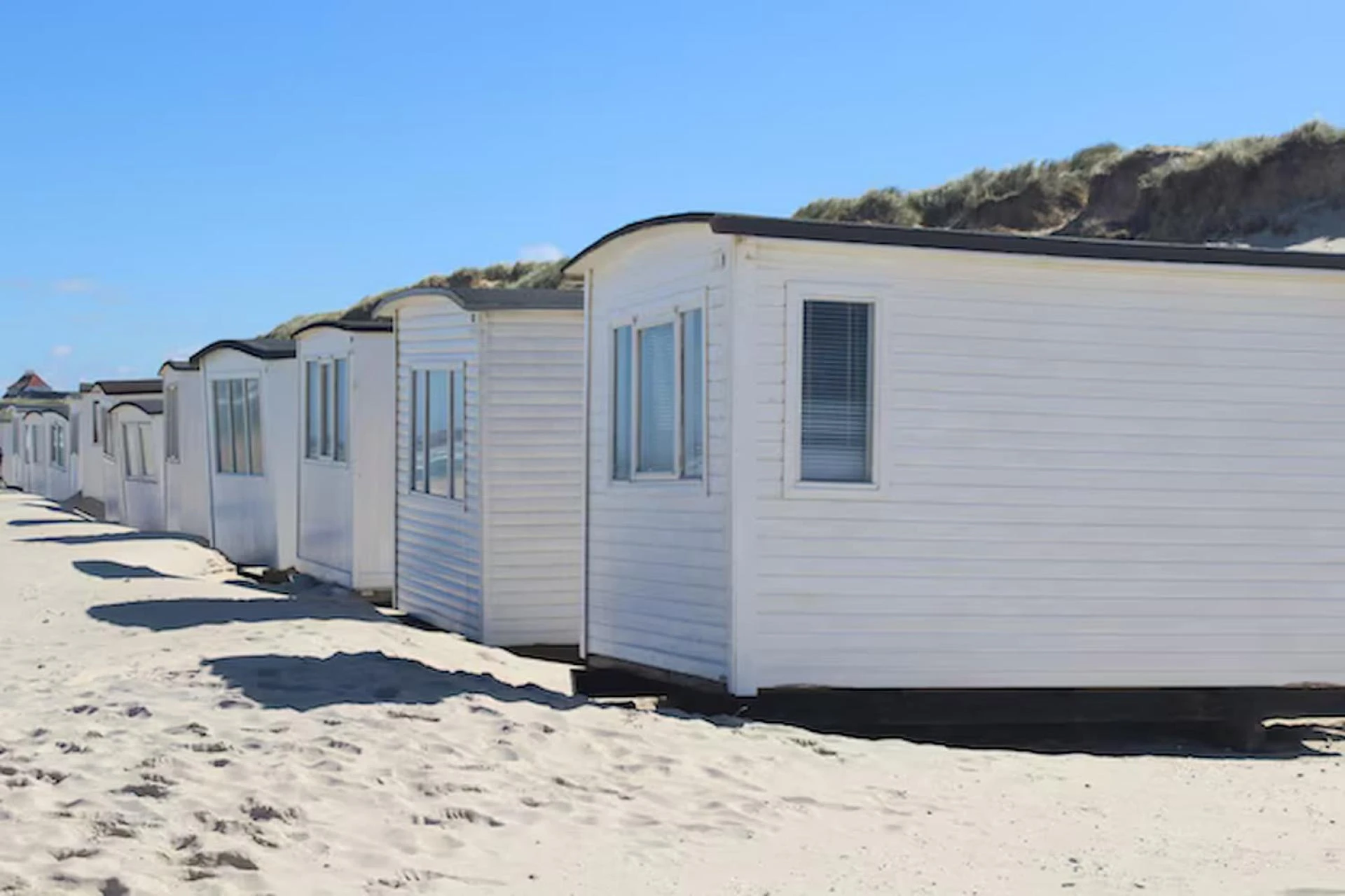
In remote areas where permanent housing is unavailable, modular containers serve as practical accommodation units for workers. They can be outfitted with sleeping areas, kitchens, and washrooms, ensuring comfort and convenience.
Storage Solutions
Construction sites need secure storage for equipment, tools, and materials. Modular containers provide a cost-effective, durable, and secure storage solution that can withstand harsh environments.
Temporary Classrooms and Training Centers
As construction projects expand, there is often a need for training facilities or educational spaces. Modular containers can be transformed into classrooms and training centers, offering a fast and efficient setup.
Pop-Up Retail and Cafeterias
Large construction projects sometimes require on-site cafeterias or retail spaces. Modular containers can be easily converted into food stalls, cafes, or shops, providing workers with essential services without leaving the site.
Advantages of Modular Containers Over Traditional Methods
Reduced Construction Time
Since modular containers are prefabricated, most of the work is completed before they arrive at the site. This significantly reduces on-site labor and project timelines.
Mobility and Relocation
Unlike permanent buildings, modular containers can be moved from one location to another. This makes them especially valuable for companies handling multiple projects across different sites.
Durability in Harsh Conditions
Construction sites are often exposed to challenging weather conditions. Modular containers are built to withstand heavy loads, extreme weather, and rough handling, ensuring long-lasting reliability.
Scalability
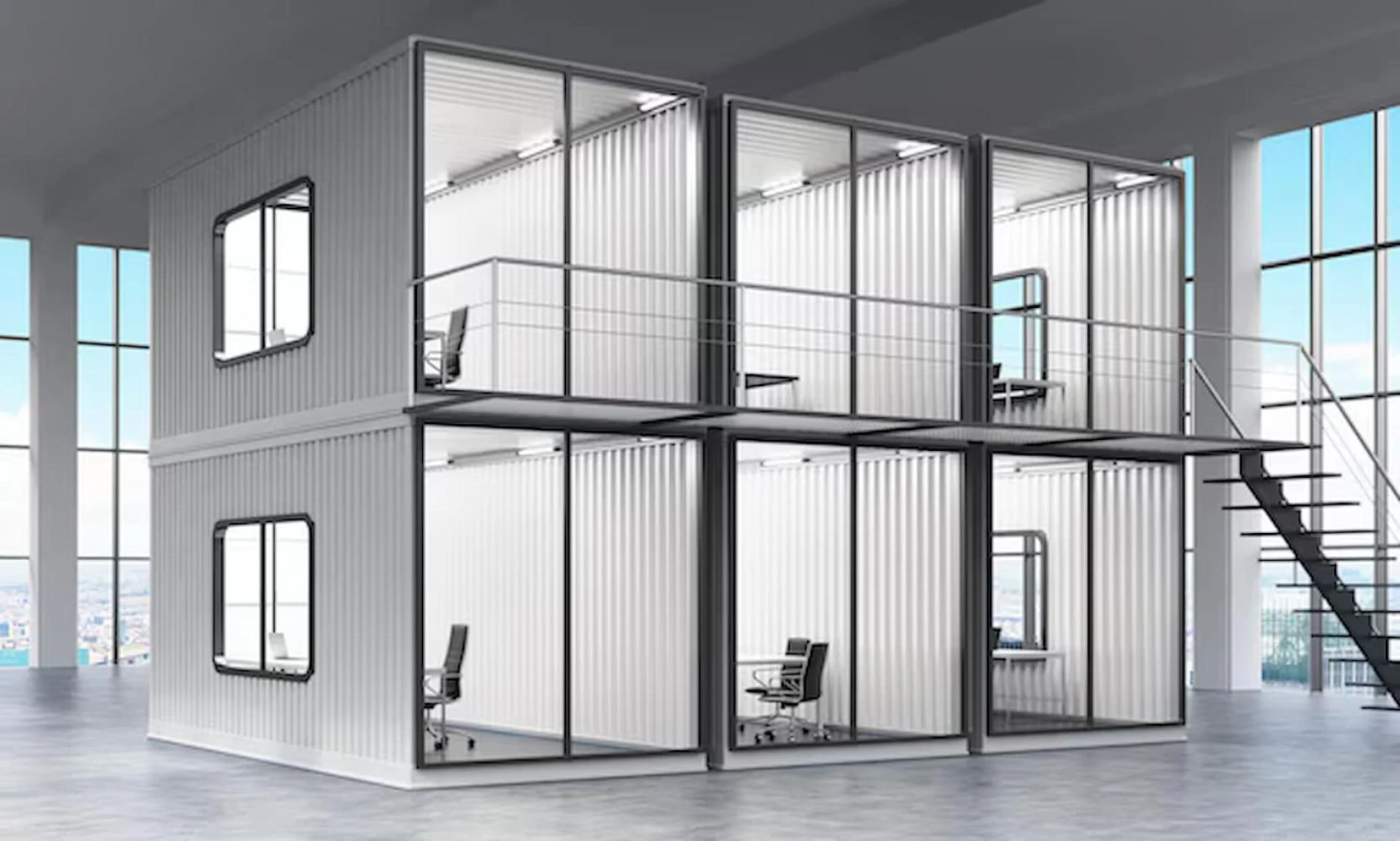
As project demands grow, additional modular containers can be added to create larger spaces. This scalability ensures that companies only pay for the space they need at any given time.
Compliance and Safety
Many modular containers are built to meet safety and compliance standards. With proper modifications, they can adhere to building codes, fire safety regulations, and occupational health requirements.
The Role of Modular Containers in Sustainable Construction
Reducing Waste
Traditional construction often generates large amounts of waste from unused materials. Modular container projects minimize this by using prefabricated units that require fewer resources.
Energy Efficiency
Modern modular containers can incorporate advanced insulation, energy-efficient lighting, and renewable energy systems such as solar panels. These features align with the growing global push toward green building practices.
Recycling and Reuse
Old shipping containers that might otherwise go unused are being repurposed into modular units. This recycling reduces the environmental burden and promotes a circular economy.
Future of Modular Containers in Construction
The future of modular containers in construction looks promising. With urbanization on the rise and increasing pressure for affordable, sustainable infrastructure, modular containers are expected to play a central role in shaping the industry. Advancements in technology will further enhance their design possibilities, enabling smarter, more energy-efficient spaces.
Experts predict that modular containers will not only remain relevant for temporary and industrial projects but also expand into residential and commercial markets. From affordable housing to luxury spaces, modular containers are set to become a mainstream construction solution.
Conclusion
The growing demand for modular containers in construction highlights a clear shift toward faster, more cost-effective, and environmentally conscious building practices. Their durability, adaptability, and sustainability make them an ideal choice for businesses, developers, and governments worldwide. As construction continues to evolve, modular containers will remain at the forefront of innovative infrastructure solutions, offering a future where efficiency and eco-friendliness go hand in hand.

























Sign in to leave a comment.