
As Singapore's population ages, the demand for comprehensive and personalized healthcare services for the elderly has surged. As a result, the concept of Elderly Home Singapore healthcare sector has gained prominence. The integration of technology, medical expertise, and compassionate care in the comfort of one's own home has become a viable and sustainable solution for addressing the unique healthcare needs of the elderly population. This article explores the significance and benefits of elderly home use in Singapore's healthcare system.
The Aging Population in Singapore:
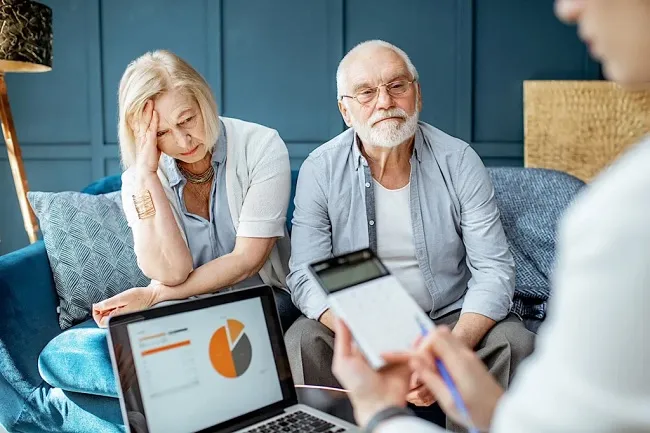
Singapore, like many developed nations, is experiencing a significant demographic shift, with the proportion of its elderly population increasing steadily. According to the Singapore Department of Statistics, by 2030, it is estimated that one in four Singaporeans will be aged 65 and above. This demographic shift poses considerable challenges to the healthcare system, as the aging population often requires more specialized and continuous medical attention.
Challenges in Traditional Healthcare:
Traditional healthcare settings, such as hospitals and nursing homes, have been the primary sources of care for the elderly. However, they face various challenges in coping with the rising demand for elderly care. Overcrowded hospitals, high costs, and a shortage of healthcare professionals capable of addressing geriatric concerns are some of the issues that have driven the need for alternative solutions.
The Emergence of Elderly Home Use:
Elderly home use, also known as home-based care or home healthcare, has emerged as a promising solution to tackle the challenges faced by the traditional healthcare system. This approach involves providing medical and non-medical services to elderly individuals in the comfort of their own homes. It enables the elderly to receive personalized and tailored care, all while remaining in a familiar and supportive environment.
Benefits of Elderly Home Use:
Enhanced Quality of Life: Home-based care allows the elderly to maintain their independence, dignity, and autonomy. Being surrounded by familiar objects, family members, and pets fosters a sense of emotional well-being, which positively impacts their overall quality of life.Personalized Care: With elderly home use, healthcare professionals can provide individualized care plans, catering to the specific needs of each patient. This level of personalization is often challenging to achieve in a traditional hospital setting.Cost-Effectiveness: Home-based care can be a more cost-effective option compared to extended hospital stays or nursing home admissions. It reduces the strain on healthcare resources, minimizing unnecessary hospital visits.Family Involvement: Elderly home use encourages the active involvement of family members in the care process. This fosters a strong support system for the elderly, leading to better health outcomes and emotional well-being.Reduced Hospital Readmissions: For elderly individuals with chronic health conditions, home-based care has shown to lower the likelihood of hospital readmissions. Continuous monitoring and prompt medical interventions can prevent the escalation of health issues.Availability of Technology: Advancements in technology have made remote healthcare monitoring and telemedicine more accessible. With telehealth services, healthcare professionals can remotely assess and provide care to elderly patients, reducing the need for frequent hospital visits.Econ Healthcare's Role:
Econ Healthcare, a leading healthcare provider in Singapore, has been at the forefront of the elderly home use movement. Leveraging its expertise in geriatric care, the organization has developed comprehensive home-based care services, including medical consultations, nursing care, physiotherapy, and palliative care.
Conclusion
Elderly home use has emerged as a vital component of Singapore's healthcare system, addressing the unique challenges posed by its aging population. The personalized care, cost-effectiveness, and enhanced quality of life associated with this approach make it a promising solution for the elderly population's healthcare needs. By embracing innovative strategies like elderly home use, Singapore can build a more sustainable and compassionate healthcare system, ensuring the well-being and dignity of its elderly citizens.








Sign in to leave a comment.