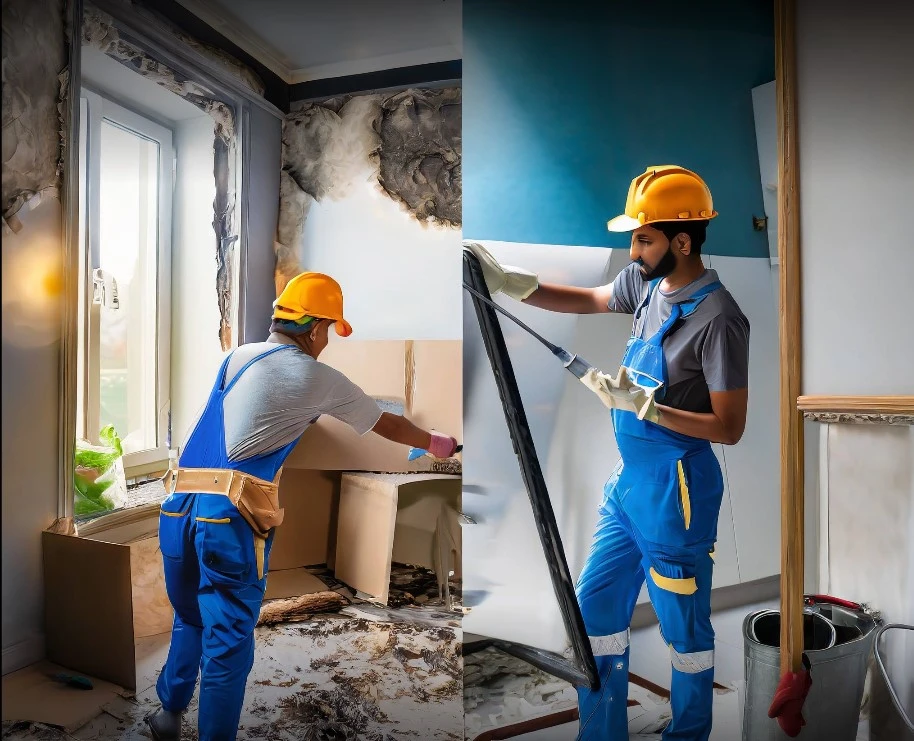
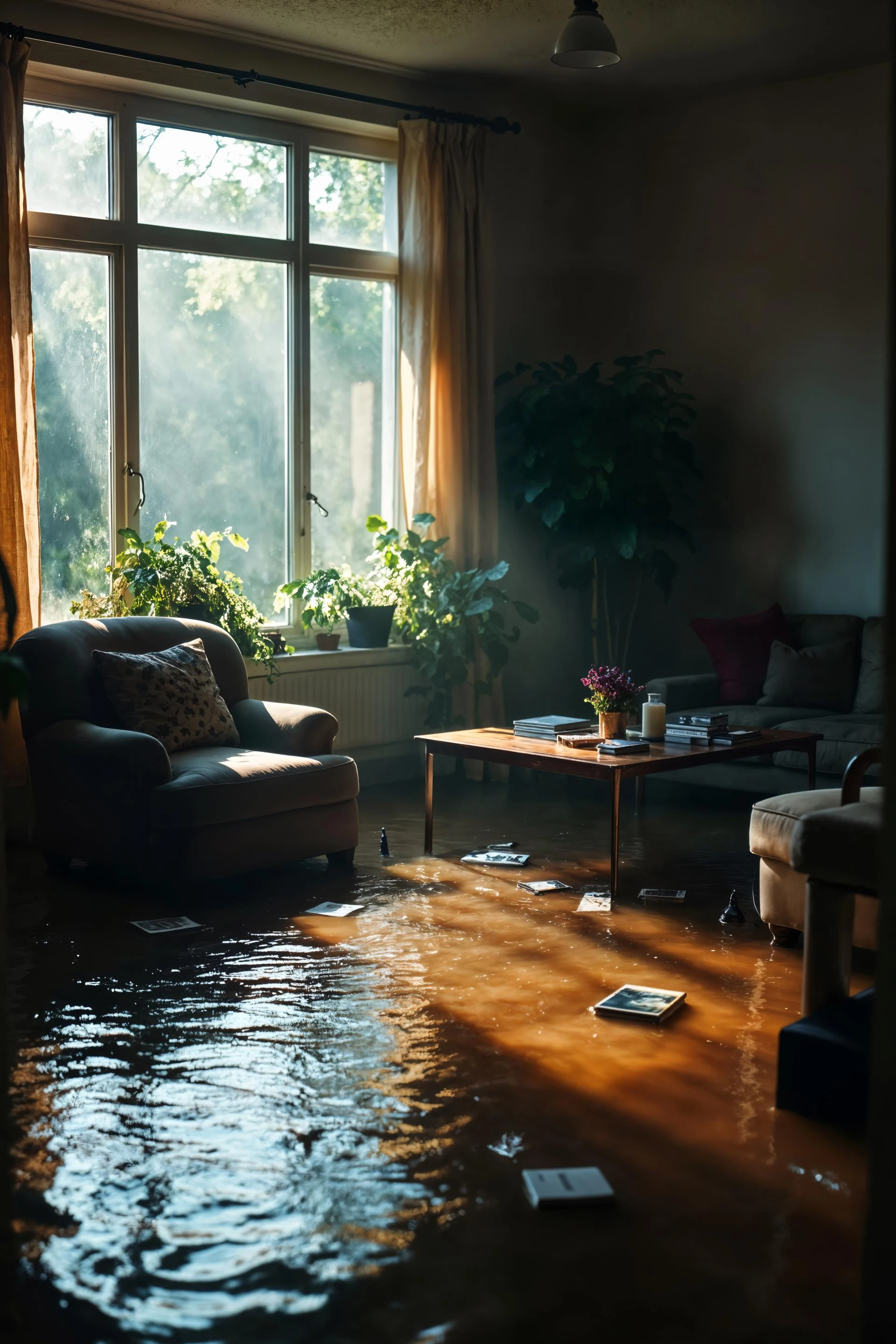
Water damage is one of the most underestimated threats to a home. A minor leak, an overflowing appliance, or storm flooding might seem like a quick cleanup job—but if left untreated, the consequences can be serious, long-lasting, and expensive.
Whether you live in a newer build or an older property, understanding the risks of untreated water damage can help protect your home, your health, and your finances.
🔍 1. Structural Damage Can Be Silent But Severe
Water can seep deep into flooring, walls, insulation, and the foundation of your home. Over time, this can lead to:
- Warped flooring
- Cracked drywall
- Compromised insulation
- Foundation weakening
What’s worse, much of this damage occurs behind the scenes—often unnoticed until repairs become extensive and costly. By the time you see physical signs, the structural integrity of your home may already be compromised.
🦠 2. Mold Growth Happens Fast
Mold thrives in damp, dark, and humid environments—exactly the conditions water damage creates. Within 24 to 48 hours of a water intrusion, mold can begin to grow. If untreated, it can spread rapidly, releasing airborne spores that pose serious health risks.
Common health issues include:
- Respiratory problems
- Allergic reactions
- Asthma attacks
- Skin and eye irritation
Vulnerable individuals such as children, seniors, and those with pre-existing conditions are especially at risk.
💸 3. The Longer You Wait, the Higher the Cost
What could have been a small repair can turn into a major renovation if not addressed immediately. The costs associated with:
- Replacing drywall and flooring
- Mold remediation
- Rebuilding structural elements
- Removing contaminated insulation
- can add up quickly.
Insurance may not always cover damage that worsens due to negligence or delayed response. Quick action not only protects your home but can also help ensure your claim is approved.
🦠 4. Electrical Hazards & Fire Risks
Water and electricity are a dangerous combination. If water damage reaches your electrical system, it could cause:
- Short circuits
- Malfunctioning outlets
- Fire hazards
Never attempt DIY repairs when water is near electrical lines or outlets—always consult a licensed professional.
🏠 5. Decline in Property Value
Homebuyers are cautious about water damage history. If an inspection reveals lingering damage or mold, it can:
- Lower your resale value
- Delay the sale process
- Require expensive remediation before closing
Maintaining a water-damage-free record helps preserve your home’s value and appeal on the market.
✅ What Homeowners Should Do After Water Damage
- Act fast – The first 24–48 hours are critical.
- Turn off electricity in affected areas if safe to do so.
- Remove water using pumps or wet vacs (for minor issues).
- Contact a professional water damage restoration company immediately.
- Document the damage with photos for insurance.
- Do not delay mold inspections—even if surfaces seem dry.
Final Thoughts
Water damage is more than just a wet floor or stained wall—it's a potential threat to your home’s safety, health, and stability. The longer it’s ignored, the more dangerous and expensive it becomes.
If you suspect any form of water intrusion in your home, don’t wait. Call a trusted water damage restoration expert to assess the situation and take immediate action.
Remember: Prevention is ideal, but fast restoration is essential.












Sign in to leave a comment.