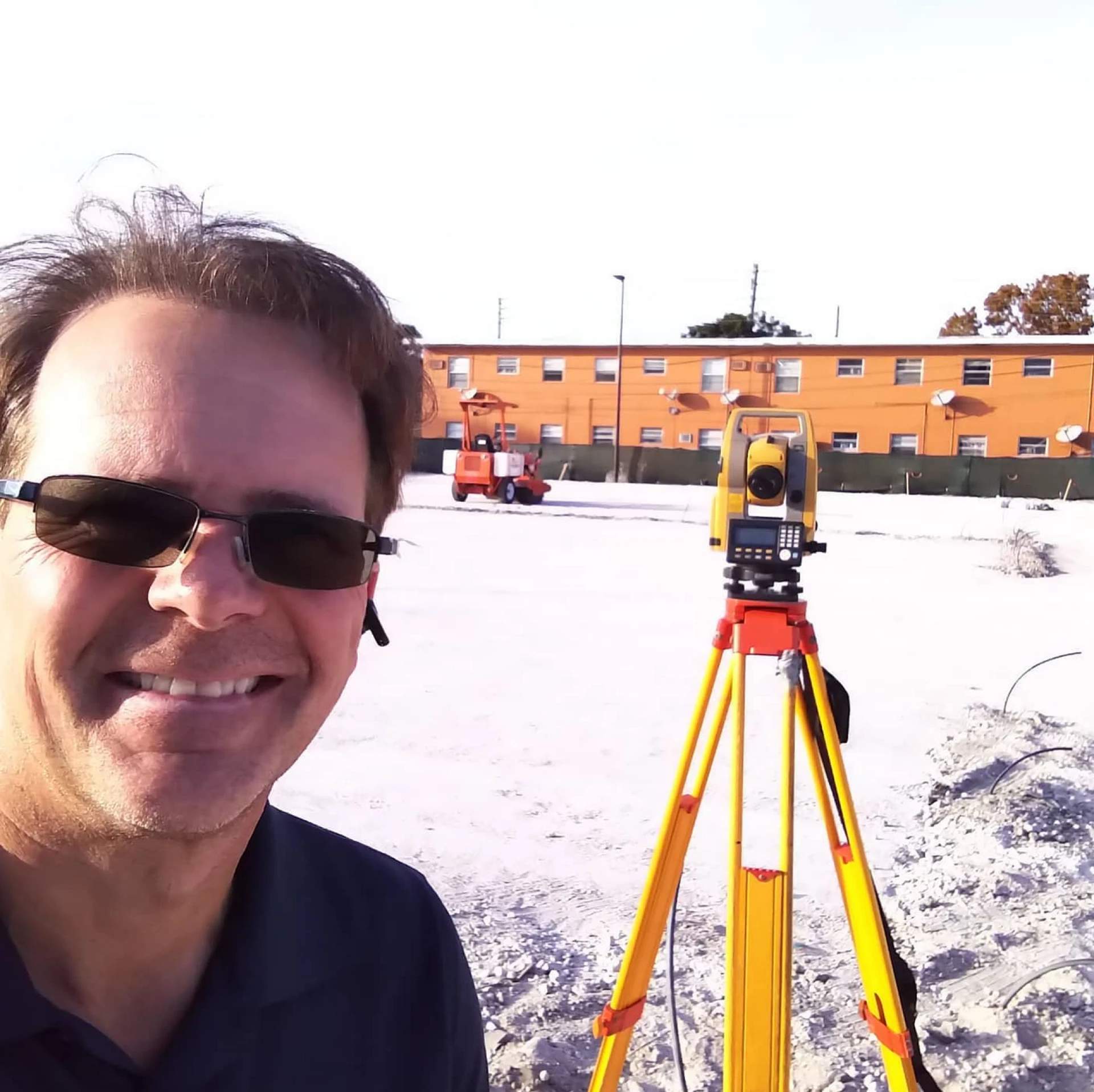

When buying or developing property in Homestead, hiring a land surveyor is a step you shouldn’t overlook. A land survey provides critical information about your property, including boundaries, easements, and potential issues. Skipping this step might seem like saving time and money, but it can lead to serious problems.

1. Unclear Property Boundaries
One of the biggest risks of skipping a land survey is not knowing where your property begins and ends. You could face disputes with neighbors or even legal issues without clear boundaries.
- Encroachments: You might accidentally build on your neighbor’s land or find their structures on your property.
- Fence Disputes: Installing a fence without a survey could lead to disagreements about its placement.
- Legal Costs: Resolving boundary disputes can be expensive and time-consuming.
A land surveyor in Homestead can mark your property lines, giving you peace of mind and avoiding costly mistakes.
2. Unexpected Easements and Rights-of-Way
Easements and rights-of-way are legal agreements that allow others to use part of your property for specific purposes, such as utility lines or access roads. Skipping a land survey means you might not know about these until too late.
- Utility Lines: You could discover underground utilities running through your property, limiting where you can build.
- Access Roads: An easement might allow neighbors or the public to cross your land, affecting your privacy and property value.
- Future Development: Easements can restrict your ability to develop or expand your property in the future.
A land survey identifies these issues upfront so you can make informed decisions about your property.
3. Zoning and Building Code Violations
Like many cities, Homestead has specific zoning laws and building codes that govern how property can be used. Without a land survey, you might unknowingly violate these regulations.
- Setback Requirements: Building too close to property lines or roads can result in fines or forced modifications.
- Height Restrictions: Your dream home or structure might exceed local height limits.
- Permit Issues: Skipping a survey can delay or prevent you from obtaining necessary permits.
A land surveyor in Homestead ensures that your plans comply with local laws, saving you from costly penalties and delays.
4. Hidden Environmental Issues
Homestead’s unique landscape includes wetlands, flood zones, and other environmental features that can impact your property. Skipping a land survey means you might miss these critical details.
- Wetlands: Building on or near wetlands can lead to fines and require costly mitigation.
- Flood Zones: Properties in flood-prone areas may require special insurance or building modifications.
- Soil Conditions: Poor soil quality can affect the stability of structures and increase construction costs.
A land survey helps identify these issues early, allowing you to plan accordingly and avoid surprises.
5. Financial Risks
Skipping a land survey might seem like saving money, but it can lead to significant financial losses.
- Property Value: Undiscovered issues like encroachments or easements can lower your property’s value.
- Construction Costs: Building without a survey can result in costly mistakes, such as tearing down and rebuilding structures.
- Legal Fees: Disputes with neighbors or local authorities can lead to expensive legal battles.
Investing in a land survey upfront can save you money in the long run by preventing these problems.
6. Difficulty Selling the Property
If you decide to sell your property in the future, skipping a land survey can make the process more difficult.
- Buyer Concerns: Buyers may hesitate to purchase a property without a clear survey, fearing hidden issues.
- Title Issues: Unresolved boundary disputes or easements can complicate the title transfer process.
- Lower Offers: Buyers may offer less for a property with unknown risks, reducing your potential profit.
A land survey provides transparency and confidence for potential buyers, making your property more attractive.
7. Safety Concerns
Skipping a land survey can also pose safety risks for you and others.
- Unstable Land: Building on unstable or unsuitable land can lead to structural failures.
- Utility Hazards: Accidentally damaging underground utilities during construction can be dangerous and costly.
- Flood Risks: Building in a flood zone without proper precautions can risk your property and safety.
A land surveyor in Homestead helps identify these risks, ensuring your property is safe and secure.
8. Peace of Mind
Finally, peace of mind is one of the most important reasons for getting a land survey. Knowing exactly what you’re buying or developing allows you to move forward confidently.
- Clear Boundaries: No more guessing where your property ends and your neighbor’s begins.
- Informed Decisions: A survey gives you the information you need to make smart choices about your property.
- Avoid Surprises: Identify potential issues before they become major problems.
A land survey is a small investment that can save you from big headaches.
Conclusion
Skipping a land survey in Homestead might seem like a shortcut, but it can lead to serious risks and costly consequences. From unclear boundaries and unexpected easements to zoning violations and financial losses, the hidden risks are too significant to ignore.




























Sign in to leave a comment.