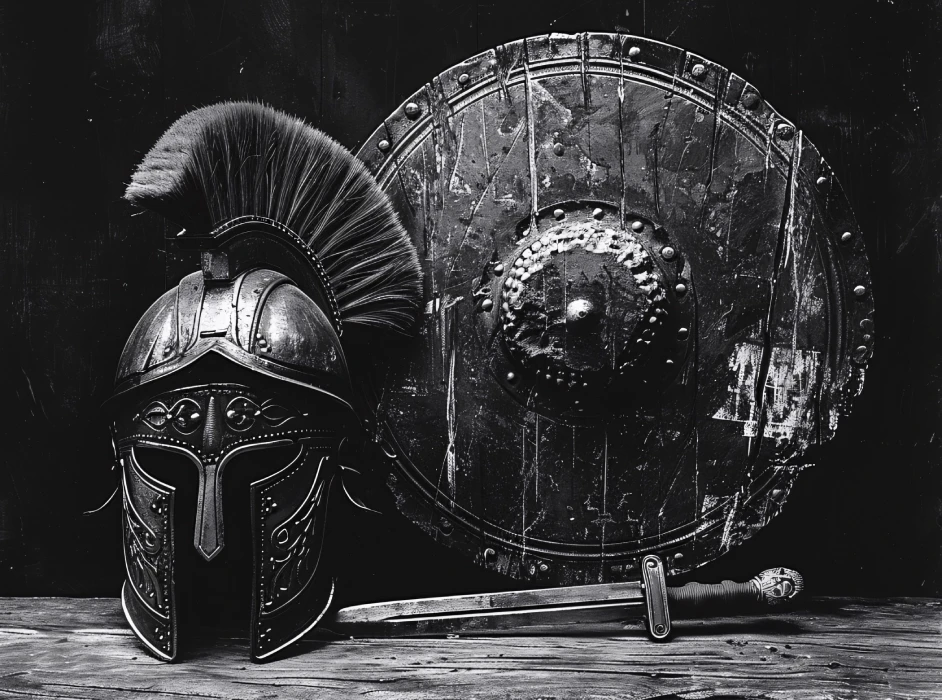

When people imagine Vikings, a familiar image often springs to mind: towering warriors with horned helmets charging into battle. This iconic image has become a staple of pop culture, appearing in everything from cartoons to fantasy novels. But how accurate is this depiction? As it turns out, much of what we believe about Viking helmets is more fiction than fact.
The true story of Viking helmets is far more nuanced and fascinating. This article dives deep into the origins, design, purpose, and enduring myths surrounding these historical artifacts. Whether you're a history buff, a Viking enthusiast, or simply curious about the real story behind the horned headgear, read on to explore the rich and complex history of Viking helmets.
The Viking Age: Setting the Scene
Before we can explore their helmets, it’s essential to understand who the Vikings were. The Viking Age typically refers to the period between 793 and 1066 AD, when Scandinavian seafarers from Norway, Denmark, and Sweden raided, traded, and settled across vast parts of Europe. Known for their advanced shipbuilding, fearsome raids, and unique warrior culture, Vikings left a significant mark on history.
Their warfare tactics were brutal but effective, and their weapons—swords, axes, and shields—are well-documented. Yet, their head protection has remained somewhat of a mystery, partly because so few helmets have survived the passage of time.
The Rarity of Viking Helmets
Despite the popular image of Vikings in full battle regalia, very few Viking helmets have been found. In fact, as of today, only one complete Viking helmet has ever been discovered: the Gjermundbu helmet, unearthed in Norway in 1943. It dates back to the 10th century and provides invaluable insights into Viking armour.
So why are Viking helmets so rare? There are several reasons:
- Material Use: Helmets were made of iron, a valuable material. It’s possible that after death, helmets were melted down and reused.
- Burial Customs: Not every Viking warrior was buried with full battle gear. High-status individuals may have received elaborate burials, while common warriors might not have had helmets at all.
- Decomposition: Iron corrodes over time, especially in Scandinavian soil. Even if helmets were buried, many may have disintegrated.
The Gjermundbu Helmet: A Rare Glimpse
The Gjermundbu helmet remains the only near-complete helmet from the Viking era. Found in a burial mound alongside weapons and armor, this helmet offers the clearest evidence of what Viking headgear may have looked like.
Key features of the Gjermundbu helmet include:
- A rounded iron cap made from four plates.
- A spangenhelm design, which uses metal strips (spangen) to support the helmet’s shape.
- A spectacle guard or visor that protected the eyes and nose, forming a kind of face mask.
It’s functional, durable, and designed for protection—not style. There’s not a horn in sight.
Busting the Horned Helmet Myth
So where did the idea of horned Viking helmets come from?
The short answer: 19th-century Romanticism and opera costumes.
The long answer: During the 1800s, there was a revival of interest in Norse mythology and Viking history, especially in Germany and Scandinavia. Artists and writers of the time were less concerned with historical accuracy and more interested in creating dramatic, romanticised images of the past.
One of the most influential sources was Richard Wagner’s opera cycle “Der Ring des Nibelungen”, first performed in the mid-1800s. Wagner’s costume designer, Carl Emil Doepler, gave his Viking characters winged and horned helmets to make them appear more mythical and fearsome. This design choice stuck—and the rest is pop culture history.
From then on, Viking helmets in art, film, and literature were often depicted with exaggerated horns, despite the complete lack of archaeological evidence supporting the idea.
Viking Helmet Design: Function Over Flash
Actual Viking helmets were practical and relatively simple. They prioritised protection over decoration. Here’s what we know about their design:
Materials
- Iron was the primary material, though expensive and labour-intensive to produce.
- Some lower-status warriors may have used leather caps or simple cloth headgear for minimal protection.
- Riveted construction was common, with iron plates fastened together for structural strength.
Structure
- Helmets typically had a rounded or conical shape to deflect blows.
- Some included nasal guards for facial protection.
- The spangenhelm style—a frame of metal strips with infill panels—was widely used across Europe and adopted by the Vikings.
Padding
Helmets were often worn over padded liners or hoods to cushion the head and absorb shocks. These inner linings were likely made from wool, linen, or other natural fibers.
Who Wore Helmets?
Contrary to popular belief, not every Viking had a helmet. Helmets were expensive and time-consuming to make. As a result:
- Elite warriors, nobles, and chieftains were more likely to own iron helmets.
- Common warriors, known as karls, often fought with little or no head protection.
- Wealth and status played a major role in the availability of armour.
Viking sagas occasionally mention helmets, though not frequently. When they do, it’s often in connection with heroes or powerful leaders—suggesting helmets were a symbol of prestige as much as a tool of war.
Other Forms of Head Protection
For those who couldn’t afford a full iron helmet, alternatives existed:
- Leather caps: Though there’s limited archaeological evidence, leather may have been used as a lighter, cheaper option.
- Mail coifs: Chainmail hoods offered some head and neck protection and were sometimes worn under helmets.
- Simple cloth or woollen hats: While not offering much protection, these were better than nothing and could help absorb blows.
Cultural Significance of Helmets
While helmets were primarily utilitarian, they may have held symbolic meaning as well. In Norse mythology and Viking art, helmets appear in depictions of gods and legendary warriors. Owning a helmet could have been a mark of honor, bravery, or divine favor.
Additionally, helmets may have been passed down through generations, becoming family heirlooms imbued with ancestral power. Their rarity makes it difficult to draw broad conclusions, but it's likely helmets carried both martial and symbolic weight.
Viking Helmets vs. Contemporary Designs
To better understand Viking helmets, it helps to compare them with the headgear used by their contemporaries in Europe:
- Frankish and Saxon warriors also used spangenhelm-style helmets, indicating a shared pan-European design influence.
- Byzantine and Eastern European helmets were often more ornate and technologically advanced, featuring lamellar construction or more complex visors.
- Norman helmets, which developed toward the end of the Viking Age, often featured conical designs with prominent nasal guards—strikingly similar to the Gjermundbu helmet.
These comparisons show that Viking helmets were not unique in their design but part of a broader military trend across medieval Europe.
The Enduring Legacy of Viking Helmets
Despite the myths, Viking helmets have captured the imagination of generations. Whether real or imagined, they’ve become powerful symbols:
- In media and entertainment, horned helmets are shorthand for “Viking” even when historically inaccurate.
- In fashion and fantasy, Viking-inspired helmets are common in everything from Halloween costumes to cosplay.
- In modern archaeology and reenactment, great effort is made to restore and reproduce helmets based on the few existing fragments and illustrations.
As historical understanding improves, many enthusiasts now embrace more accurate representations, moving away from the horned stereotype.
Conclusion: A Helmet’s True Power
The history of Viking helmets is a fascinating blend of fact, mystery, and myth. While the horned helmet remains a popular image, it’s not rooted in historical truth. Real Viking helmets—like the Gjermundbu artifact—were practical tools of war, designed for protection, not drama.
The scarcity of surviving helmets reminds us how little we truly know about everyday Viking warriors. But it also highlights the importance of preserving and studying what few relics we do have. Each iron fragment, each burial site, adds a piece to the puzzle of Viking life.
In the end, Viking helmets teach us not just about warfare, but about storytelling—how cultures remember, reinterpret, and sometimes reimagine the past. The real Viking helmet may not have horns, but its story still holds the power to captivate.




Sign in to leave a comment.