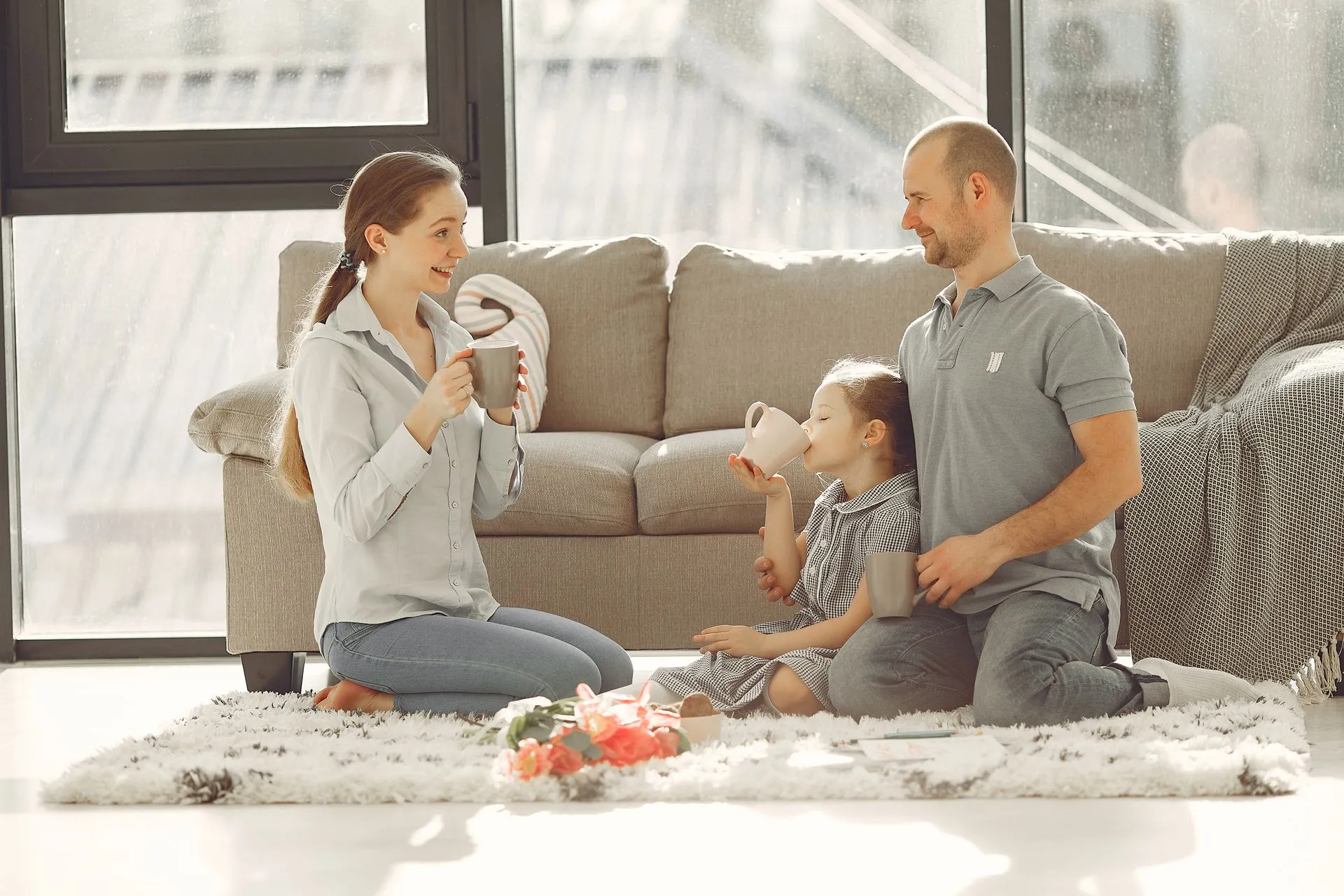

Most homeowners never stop to notice it. Same walls. Same roof. Same square footage — but walk through the door and something feels fundamentally off from what it used to be. Purposes have multiplied. What a home actually *does* for the people inside it barely resembles what it did for their parents. Work culture, technology, family structure, personal priorities — all of it has quietly rewritten how we inhabit the spaces we live in. Quietly, but completely.
Remote Work Redefined Home Functionality
Offices moved indoors. Not metaphorically — literally. Spare bedrooms, dining corners, repurposed closets: all converted to workstations practically overnight. Ergonomic chairs. Ring lights. Router upgrades. The house that once existed purely for rest and recovery now has to pull double duty as a productive workspace. That's a significant ask of any structure. A room that once held a guest mattress suddenly needs soundproofing and task lighting. Earlier generations never wrestled with mentally clocking out when the office was down the hall — but now homeowners make deliberate design decisions just to keep work from bleeding into everything else. All without touching a single load-bearing wall.
Technology Integration in Unchanged Spaces
Show someone from fifty years ago a modern kitchen. Watch their face. Smart speakers, tablets propped on countertops, lights that obey voice commands — none of it was even conceivable when these homes were first wired. Traditional electrical systems were built for lamps and maybe a television. Now they're expected to handle device charging stations, streaming hardware, smart thermostats, and security cameras running all at once. Bedrooms have changed most quietly of all. The living room still looks like a living room. But passive, scheduled TV viewing collapsed into on-demand everything, and the physical space never reorganized itself to accommodate any of it. It just absorbed the shift — silently, incrementally.
Multigenerational Living Arrangements
Three generations under one roof. More common than it used to be. Adult children return; aging parents move in. Suddenly the guest room is a permanent bedroom, the study becomes a nursery, and the kitchen table belongs to everyone on staggered schedules. Economic pressure drives some of it. Shifting family values drive the rest. Either way, homes weren't originally configured for this kind of layered, overlapping use — so people get creative. Temporary walls. Repurposed basements. Flexible common areas that serve three different functions before noon. Renovation planners navigating these demands often turn to multifamily countertops specifically because durable, adaptable surfaces hold up when multiple people are operating in the same space across wildly different schedules and habits.
Wellness and Mental Health Prioritization
People stopped thinking of home as just shelter. Gradually, then all at once. Now the bedroom window that once existed simply to let in light gets evaluated for its effect on sleep cycles and circadian rhythms. Living rooms get assessed not just for entertainment capacity but for their ability to decompress a stressed-out person after a brutal day. Exercise equipment claims spare rooms. Plants crowd shelves. Meditation corners appear in unused nooks. None of this requires a contractor. It's a reorientation — the structure stays fixed, but the intention behind every square foot shifts entirely.
Outdoor Space Reimagined
Backyards used to be decorative. A lawn, maybe a flower bed, nothing more. Now they're functional extensions of interior living — outdoor kitchens, year-round dining areas, home offices when the weather cooperates. Heating systems and all-season furniture pushed back against seasonal limitations that once kept everyone inside by October. Patios became living rooms. Yards became gardens that actually produce food. The boundary between inside and outside blurred considerably. Some of that reflects a genuine shift in values around outdoor time and nature access. Some of it is just practical math — needing more usable space without absorbing the cost of a full addition.
Conclusion
Residential architecture hasn't changed much. The bones of most homes are exactly what they were decades ago. But remote work, smart technology, multigenerational arrangements, wellness priorities, and reimagined outdoor living have collectively transformed what happens inside those bones. That's worth sitting with. Home improvement isn't always a renovation project — sometimes it's just a clearer understanding of how existing space can serve a life that looks nothing like the one it was originally built for. The walls keep adapting. They always do.































Sign in to leave a comment.