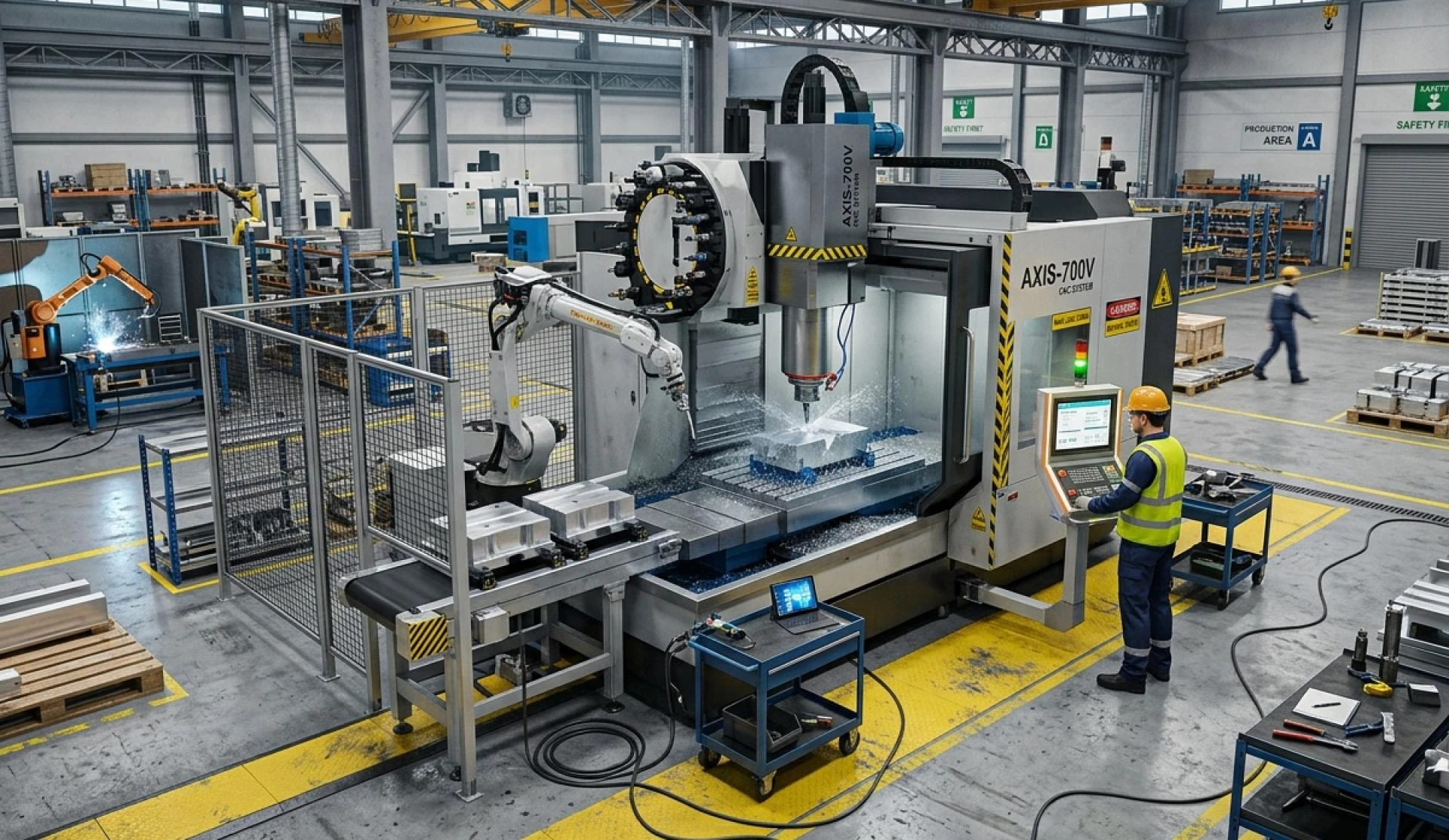

If you are a plant manager, an industrial engineer, or an operations lead, you have likely encountered this high-stakes reality:
A slight error in equipment spacing. A minor miscalculation regarding safety boundaries. A small oversight in the floor layout.
In the industrial sector, minor design flaws rarely stay minor for long. They quickly escalate into massive project delays, expensive rework, and—in the worst-case scenarios—total operational shutdowns.
Despite these evident hazards, many organizations continue to finalize multi-million-rupee infrastructure plans based on static 2D blueprints and intuition.
This is precisely the gap our 3D product visualization services were developed to bridge.
The Common Pitfall in Modern Manufacturing
It is a frequent mistake for organizations to categorize 3D environment solutions as simple visual aids.
They often treat them as premium renders intended solely for boardroom presentations or securing investor buy-in. While these models are aesthetically impressive, they frequently end up as idle files while the actual logistical planning remains buried in disconnected spreadsheets and outdated AutoCAD documents.
This isn't just a missed opportunity; it’s a costly misallocation of resources.
The manufacturers achieving the highest returns on their capital investments treat 3D environment solutions as core operational infrastructure. These digital assets are modeled around real-world workflows, calibrated against exact machine data, and woven into the everyday systems used by their teams.
The shift is subtle, but the impact on the bottom line is transformative.
The Growing Necessity for Virtual Replication
Evidence shows that identifying design flaws during the planning phase is up to 10 times more cost-effective than fixing them after physical installation. In large-scale industrial projects, that cost difference can easily run into the crores.
Consider these common real-world setbacks:
"We didn't realize maintenance access was restricted until the equipment was already anchored down."
"The new layout created a bottleneck that slashed our production capacity by 15%."
"Safety inspectors flagged a clearance violation only after the line was fully operational."
These aren't just bad luck; they are recurring, expensive hurdles caused by a lack of spatial and operational clarity. 3D environment solutions restore that critical foresight.
Looking for a deeper dive into the technical details?
Read our comprehensive guide here: 👉 3D Environment Solutions for Manufacturing and Industrial Businesses
Breaking Down the Digital Environment
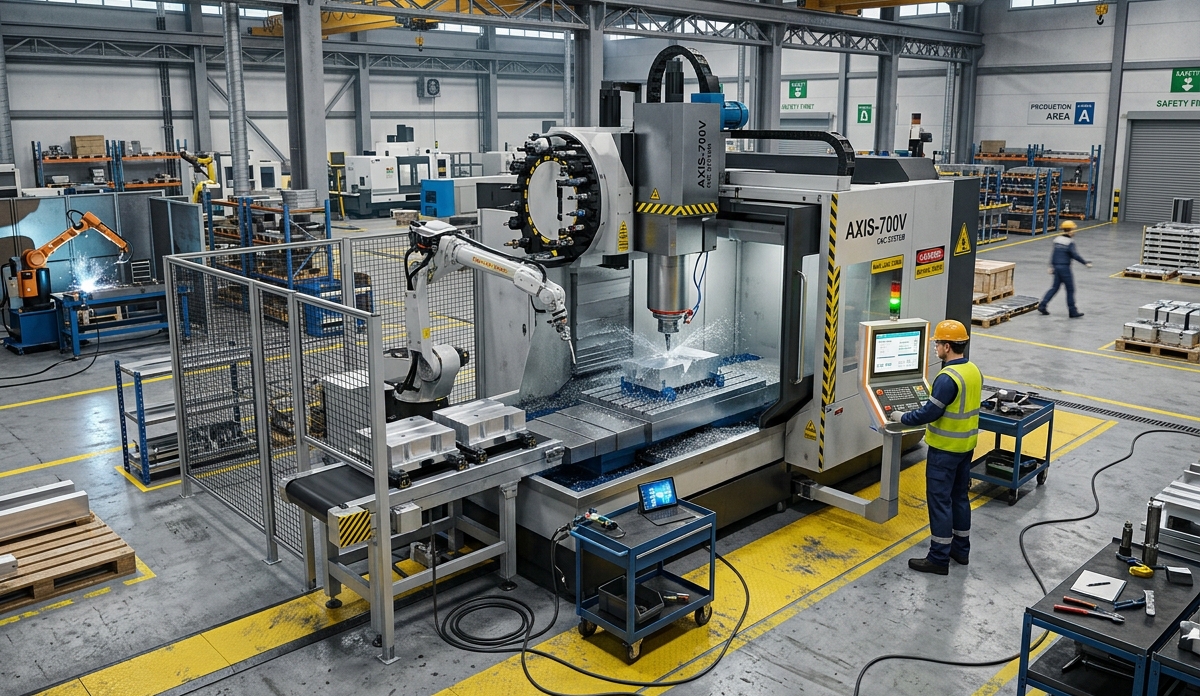
A professional 3D environment solution serves as an interactive, spatially precise digital twin of your warehouse, production line, or entire facility.
The true value, however, lies in its utility across the entire plant lifecycle:
Phase 1: The Digital Build Using architectural blueprints, machine data, and workflow logic, we create a virtual replica where every pathway and safety zone is rendered to scale. This establishes a risk-free environment for testing every future modification.
Phase 2: Stress-Testing and Simulation Before moving heavy machinery, your team can simulate full production cycles, optimize material handling routes, and analyze personnel movement. You identify the bottlenecks in the software, not on the factory floor.
Phase 3: Unified Stakeholder Alignment Instead of asking different departments to interpret complex 2D drawings, every stakeholder—from the CEO to the shop floor lead—can "walk through" the same digital space. This builds immediate consensus and shortens project timelines.
Phase 4: Operational Integration The most sophisticated setups evolve into a genuine digital twin, connecting directly to live IoT sensors. This enables predictive maintenance and real-time performance tracking within a single source of truth.
The primary advantage isn't just what the digital environment reveals—it’s the expensive mistakes it prevents.
Operational Comparison
| Traditional Planning | Using 3D Environment Solutions |
|---|---|
| Spatial conflicts found during installation | Conflicts resolved during the design phase |
| Maintenance access is an afterthought | Access is verified via virtual simulation |
| Inefficiencies discovered during live runs | Bottlenecks identified before the line starts |
| Fragmented interpretation of 2D plans | Total alignment in a shared digital space |
| Reactive repairs after a failure | Predictive maintenance via digital twin data |
The Implementation Roadmap
A major barrier to adoption is the perceived complexity of the process. At Eilan Digital, we have refined implementation into a transparent, manageable sequence:
- Discovery: We analyze your layout, production goals, and specific operational pain points.
- Iterative Modeling: We build the environment in stages, incorporating direct feedback from your engineering and operations teams.
- Validation: We run deep simulations to ensure the virtual model can handle real-world operational pressure.
- Deployment: We deliver the final solution in your preferred format—whether as an interactive 3D model, a VR experience, or a system integrated with your ERP.
With experience across 250+ industrial projects, we understand that the goal isn't just "cool tech"—it's solving a business problem.
Selecting the Right Strategic Partner
Industrial environments require a level of precision that general design firms often lack. When picking a partner for your 3D environment solutions, keep these criteria in mind:
- Operational Expertise: Your partner must prioritize production flow and safety protocols over pure aesthetics.
- Proven Track Record: Always request manufacturing-specific case studies. Eilan Digital has successfully delivered simulation-driven solutions for over 250 projects worldwide.
- Integration Depth: Ensure the solution can communicate with your existing IoT and ERP systems for long-term utility.
- User-Centric Design: The model is only useful if your team actually uses it. We focus on building tools that integrate seamlessly into your existing workflows.
Take the First Step
You don't need to transform your entire operation overnight.
Start by targeting a single production bottleneck or a complex new installation. Map it, simulate it, and challenge your current assumptions. Most manufacturers find that the cost of the first project is covered many times over by the errors caught before construction begins.
That is how you build a solid foundation for the future of your facility.
Consult with our experts today: eilandigital.com










Sign in to leave a comment.