

In the wake of the COVID-19 pandemic, the world experienced a shift in consumer behavior and business operations. One of the most notable areas to transform was e-commerce logistics. E-commerce logistics, the backbone of online retail, encompasses the processes involved in warehousing, inventory management, order fulfillment, and delivery. The pandemic acted as a catalyst for change, prompting businesses to adapt rapidly to meet evolving consumer needs while navigating unprecedented challenges.
This blog post will explore the manifold impact of COVID-19 on e-commerce logistics.
Changes in Consumer Behavior
Shift towards Online Shopping: With brick-and-mortar stores shuttered or operating under capacity restrictions, consumers flocked to online platforms to fulfill their shopping needs. From groceries and household essentials to electronics and apparel, virtually every product category experienced a surge in online sales.
Increased Demand for Essential Goods: As concerns about health and safety took center stage, the demand for essential goods skyrocketed. Items such as hand sanitizers, disinfectants, face masks, and pantry staples saw exceptional demand as consumers stocked up on necessities to weather the pandemic.
Emphasis on Safety and Hygiene: The pandemic prompted consumers to prioritize safety and hygiene when making purchasing decisions. Many shoppers expressed reluctance to visit physical stores due to fears of exposure to the virus, leading to a greater reliance on contactless shopping options.
Impact on Peak Seasons and Shopping Patterns: Traditional shopping seasons, such as the holiday season and back-to-school shopping period, were redefined by the pandemic. With restrictions on gatherings and travel in place, holiday shopping shifted online to a greater extent than ever before. Similarly, the back-to-school season saw a surge in demand for remote learning essentials like laptops and tablets.
Supply Chain Disruptions
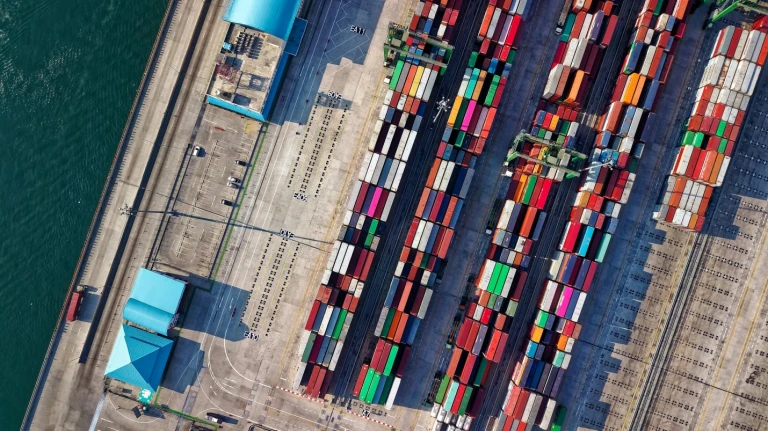
Global Supply Chain Challenges: The pandemic exposed the vulnerabilities of global supply chains, which heavily rely on interconnected networks of suppliers, manufacturers, and distributors across different countries and regions. Disruptions at any point along these chains could lead to delays and shortages downstream.
Inventory Management Issues: E-commerce retailers faced unprecedented challenges in managing their inventory during the pandemic. As consumer demand surged for certain products, retailers struggled to keep pace with inventory replenishment. Panic buying and stockpiling behavior exacerbated these challenges, leading to shortages of essential goods and creating inventory imbalances.
Transportation Constraints and Delays: Lockdowns and travel restrictions disrupted transportation networks, causing delays and bottlenecks in the movement of goods. Air cargo capacity was severely constrained due to the suspension of passenger flights, which typically carry a significant portion of air freight in the belly of the aircraft. This led to increased shipping costs and longer transit times for e-commerce shipments.
Labor Shortages and Workplace Safety Concerns: E-commerce logistics providers faced significant challenges in maintaining operational continuity amidst labor shortages and workplace safety concerns. Warehouse workers, delivery drivers, and other essential workers were at increased risk of exposure to the virus, leading to absenteeism and disruptions in workforce availability.
Strategies for Mitigating Supply Chain Risks: In response to these challenges, e-commerce logistics companies adopted various strategies to mitigate supply chain risks and enhance resilience. This included diversifying sourcing and manufacturing locations, increasing safety stock levels, optimizing transportation routes, and leveraging technology to improve visibility and transparency across the supply chain.

Overcoming Challenges and Building Resilience
Collaboration and Partnerships within the Logistics Ecosystem: Collaboration and partnerships within the logistics ecosystem were crucial for overcoming challenges and building resilience. E-commerce companies, logistics providers, suppliers, and technology partners worked together to address supply chain disruptions, optimize inventory management, and enhance last-mile delivery capabilities.
Investment in Technology and Automation: Technology and automation played a pivotal role in enhancing the resilience of e-commerce logistics operations. Companies leveraged advanced technologies such as artificial intelligence (AI), machine learning (ML), robotics, and data analytics to optimize warehouse operations, automate order fulfillment processes, and improve delivery efficiency.
Flexibility and Adaptability in Response to Changing Circumstances: Flexibility and adaptability were two essential traits for building resilience in e-commerce logistics. Companies were agile and responsive to changing market dynamics, customer preferences, and regulatory requirements. This involved adjusting inventory levels, optimizing transportation routes, reconfiguring warehouse layouts, or diversifying sourcing and manufacturing locations to mitigate supply chain risks.
Importance of Customer Communication and Transparency: Transparent and proactive communication with customers was paramount during times of crisis. E-commerce companies keep their customers informed about any changes to delivery times, service disruptions, or safety protocols. By providing clear and timely updates, addressing customer concerns promptly, and maintaining a high level of transparency, companies were able to build trust and loyalty with their customer base.
Future Outlook
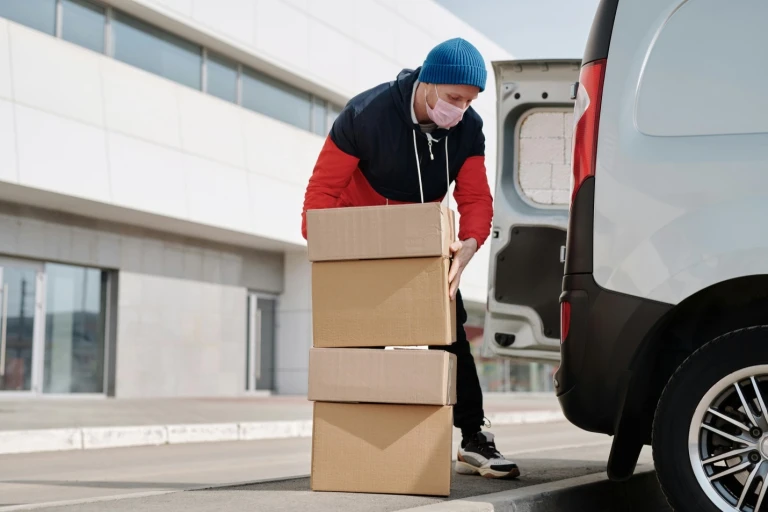
Looking ahead, the e-commerce logistics industry faces a future shaped by the profound impacts of the COVID-19 pandemic. This global crisis has triggered significant shifts in consumer behavior, supply chain dynamics, and delivery expectations, leaving a lasting imprint on the e-commerce landscape. While some pandemic-induced trends may fade as the situation stabilizes, others are expected to endure, reshaping the way e-commerce companies operate in the post-pandemic era.
Unlock the power of e-commerce logistics with 3PLprep. Elevate your logistics game with their tailored 3PL solutions and warehouse services in New Jersey. Let 3PLprep be your trusted partner in navigating the future of 3PL logistics. Contact them today!
About the Author
Jack D. is an expert in e-commerce logistics and supply chain management. With 10 years of experience in the industry, he has a deep understanding of the complexities and challenges facing modern businesses in the digital age. He is passionate about helping companies navigate the ever-changing landscape of e-commerce logistics, from optimizing warehouse operations to implementing innovative delivery solutions.










Sign in to leave a comment.