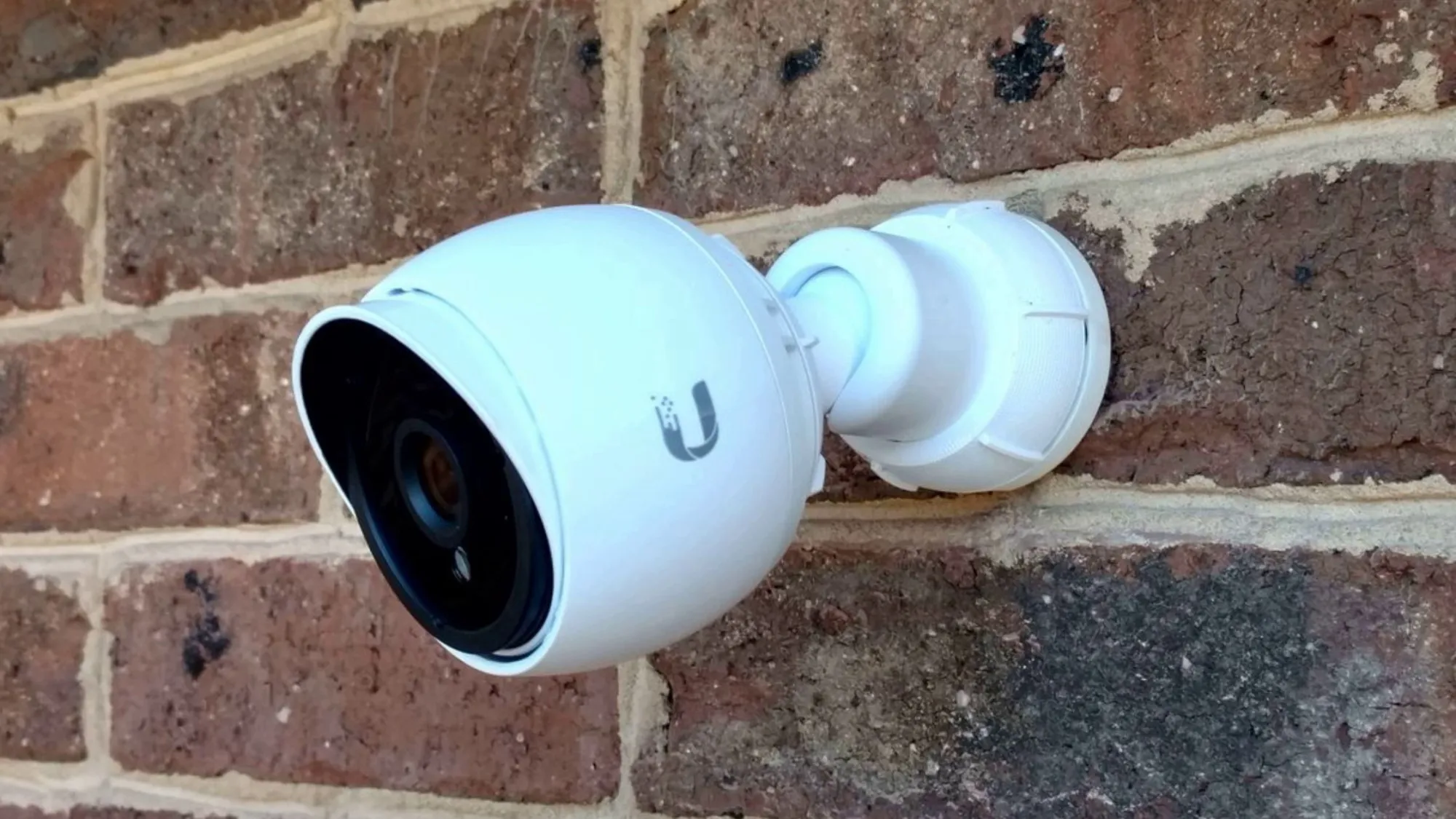

Foot traffic acts like a river that never stops flowing through a retail lobby or a busy parking lot. High-traffic areas force a shift in strategy from simple perimeter watching to high-density data management and rapid-shutter capture. Experts prioritize high frame rates and heat-mapping analytics to prevent motion blur and system crashes when dozens of people move at once. Security camera installation in Mississauga demands this specialized approach because a standard residential setup would fail under the weight of constant movement. Success depends on placing sensors where they can distinguish between a sea of faces without losing forensic detail to digital noise or background clutter.
The Technical Burden of Constant Motion
Cameras in quiet hallways spend most of their time recording static images, which takes up very little storage space. High-traffic zones change this dynamic entirely because every moving person triggers the camera’s encoder to work at maximum capacity. Constant movement requires advanced compression technologies like H.265+ to keep file sizes manageable without sacrificing the sharpness of a suspect’s features. Technicians must also select sensors with high "wide dynamic range" to handle the flickering shadows created by a line of people moving past a light source. High-traffic zones turn minor technical flaws into major security gaps if the hardware cannot refresh the image fast enough to keep up with a running pace.
Why Does Frame Rate Dictate Success in Crowded Areas?
A low frame rate makes a crowded room look like a series of stuttering ghosts. Standard cameras often record at 15 frames per second, but busy intersections or transit hubs need 30 or even 60 frames per second to be useful. Capturing the exact moment a hand reaches into a pocket or a bag is swapped requires fluid motion. Higher frame rates allow security teams to pause the video and see a clear, unblurred face rather than a smudge of pixels. Faster frame rates put a heavy load on the local network. Professionals balance these settings by isolating the security traffic on a dedicated sub-network to prevent the office Wi-Fi from slowing down during peak business hours.
Strategic Height and Angle Adjustments
Mounting a camera at a standard height in a crowd often results in a view of the back of people’s heads. Crowded environments require a steeper downward angle to see "between" individuals in a group. Tall people can unintentionally block the view of shorter individuals if the camera is too low. Installers often use ceiling-mounted 360-degree fisheye lenses to maintain a bird's-eye view of the entire flow of traffic. This top-down perspective ensures that an incident in the middle of a crowd remains visible even if the side-view cameras are obstructed. Using varied mounting heights creates a layered defense where one camera captures the crowd flow while another at eye level captures specific identification data.
Managing Storage and Bandwidth for Busy Zones
Continuous recording in a high-traffic area fills up hard drives faster than any other application. Professionals utilize "region of interest" encoding to solve this problem. This technology records the background at a lower resolution while keeping the path where people walk in the highest possible quality. Smart recording schedules also help by increasing the resolution during peak business hours and lowering it when the building is empty. This strategy extends the life of the storage drives and ensures that three months of footage can fit on a drive that would normally fill up in three weeks. A professional security camera installer in Mississauga calculates these data needs long before the first camera is mounted to avoid system crashes.
- Edge Storage: Using SD cards inside the cameras provides a backup if the main recorder is overwhelmed by data.
- Bitrate Capping: This prevents a single busy camera from hogging all the network bandwidth.
- Smart Search Metadata: Tagging footage with "human detection" filters allows users to find an incident in seconds instead of watching hours of crowds.
- Cloud Hybrid Buffering: This keeps a copy of critical clips off-site in case the local hardware is tampered with during a busy period.
Conclusion
Managing the chaos of a busy environment requires a system that is as smart as it is durable. Clever Cabling focuses on the specific needs of commercial hubs and busy residential complexes. Their team ensures that every camera is positioned to cut through the noise of a crowd. They prioritize high-bandwidth infrastructure to support the heavy data loads that come with constant movement. Reliable security camera installation in Mississauga means building a network that stays fast when the building is at its busiest. Every wire and bracket is chosen to withstand the rigours of a high-traffic zone. Choosing a professional installer ensures that the strategy for a busy area provides clear evidence instead of a blurry mess.

























Sign in to leave a comment.