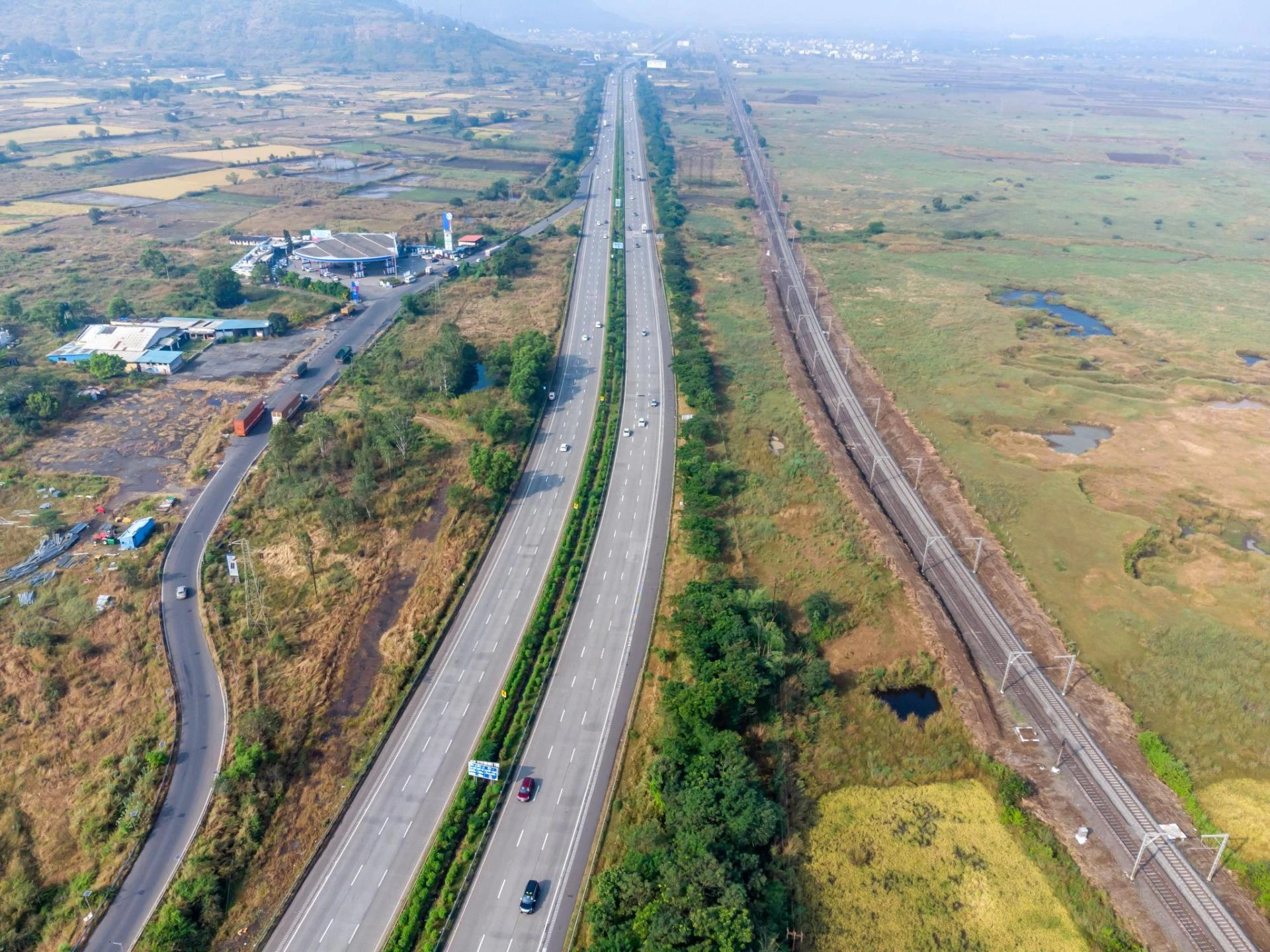

Infrastructure drives real estate growth. Roads, metro corridors, airports, and ring roads shape property values and transaction volumes. In Pune, recent infrastructure expansion has influenced residential and commercial transactions across multiple micro markets.
Buyers often track transport projects before making investment decisions. Developers plan new launches near proposed corridors. Financial institutions assess long term connectivity before funding projects.
This article explores how major infrastructure initiatives are reshaping property transactions in Pune from a legal and commercial perspective.
Metro Connectivity and Transaction Activity
The development of Pune Metro has had a measurable impact on property demand. Areas located near operational and proposed metro stations have seen increased enquiries.
Improved connectivity reduces travel time between business districts and residential zones. This factor encourages homebuyers to consider emerging suburbs.
Transaction volumes often rise even before full project completion. Buyers anticipate appreciation once connectivity improves. However, legal due diligence remains essential. Investors must verify whether a project lies within officially approved metro influence zones rather than relying on marketing claims.
Ring Road and Peripheral Growth
The proposed ring road project has attracted attention to outer areas of Pune. Peripheral land parcels once considered remote are now under scrutiny.
When major road infrastructure is announced, land aggregation begins. Developers acquire plots in anticipation of future demand. This activity increases land transaction volumes.
However, investors must assess land use classification and zoning restrictions. Agricultural land conversion rules apply in many peripheral zones. Revenue records require careful review before purchase.
Expressway Influence and Inter City Investment
The connectivity between Pune and Mumbai through the Mumbai Pune Expressway has long supported cross city investment.
Many professionals working in Mumbai choose to reside in Pune due to lifestyle advantages and lower property prices. Infrastructure strength supports such decisions.
Improved road connectivity increases weekend home purchases and second home investments. Transaction patterns show growing interest from buyers based outside Pune.
Infrastructure as a Catalyst for Price Discovery
Infrastructure projects often act as catalysts for price discovery in developing areas. When a new corridor is announced, landowners adjust expectations. Developers revise pricing strategies.
Early investors may benefit from gradual appreciation. Yet speculative purchases can carry risk. Delays in infrastructure execution may affect projected returns.
From a legal standpoint, buyers must verify development permissions, layout approvals, and environmental clearances. Infrastructure announcements alone do not guarantee compliance with planning laws.
Legal Due Diligence in Infrastructure Impact Zones
Properties located near major infrastructure corridors require enhanced scrutiny.
Key checks include:
- Confirmation of land acquisition notifications
- Verification of right of way restrictions
- Review of development plan reservations
- Assessment of environmental impact approvals
Certain projects may fall within reserved zones or proposed public utility alignments. Transactions without proper verification may face future disputes.
Professional guidance from the best property law firms and lawyers in Pune can assist buyers in navigating documentation, zoning regulations, and title examination in such zones.
Increase in Joint Development Agreements
Infrastructure growth encourages joint development arrangements. Landowners in newly connected areas often partner with developers instead of selling outright.
These agreements involve revenue sharing, construction milestones, and phased possession. Legal drafting must address risk allocation and dispute resolution mechanisms.
Financial institutions examine these agreements before extending project finance. Transparent documentation improves lender confidence and supports smoother transactions.
Commercial Property Transactions Near Transit Corridors
Transit oriented development has influenced commercial real estate. Office spaces near metro stations attract corporate tenants seeking convenience.
Retail establishments also prefer locations near transport nodes due to footfall potential. Commercial lease agreements in such areas often command higher rental values.
Developers must comply with municipal building regulations and fire safety norms. Failure to secure proper approvals can affect leasing transactions and investor returns.
Environmental Compliance and Urban Planning
Infrastructure projects bring environmental scrutiny. Projects near riverbanks, green zones, or reserved areas face stricter compliance standards.
Urban planning authorities evaluate alignment with city development plans. Buyers should verify whether surrounding infrastructure projects have secured final approvals.
In certain cases, land acquisition proceedings may impact neighbouring plots. Legal clarity protects investors from future compensation claims or access disputes.
Stamp Duty and Revenue Implications
Infrastructure driven demand can influence government revenue. Increased transaction volumes lead to higher stamp duty collections.
In growth corridors, circle rates may be revised upward. Buyers must factor potential changes in stamp duty valuation before finalising deals.
Clear documentation and accurate valuation reduce risk of future tax disputes.
Dispute Trends Linked to Infrastructure Growth
Rapid development sometimes leads to conflicts. Common disputes include:
- Boundary disputes after road widening
- Compensation claims in acquisition cases
- Delays in possession due to infrastructure dependencies
- Misrepresentation of proximity to transit corridors
Regulatory forums and civil courts have seen cases involving claims linked to infrastructure marketing.
Investors operating across Maharashtra often seek consistent legal guidance. Many rely on the best property law firms and lawyers in Mumbai when structuring investments spanning both cities.
Digital Mapping and Transparency
Digital land mapping tools have improved access to planning information. Buyers can review development plans and infrastructure alignments online.
However, digital data must be cross verified with official records. Physical site inspection remains important. Legal review ensures alignment between ground reality and documentation.
Long Term Market Stability
Infrastructure creates long term value when projects are executed within schedule and regulatory frameworks.
Pune’s expanding transport network supports decentralised growth. Emerging micro markets gain credibility when connectivity becomes operational.
Stable infrastructure reduces market volatility. Investors gain confidence in future demand for residential and commercial assets.
Risk Considerations
While infrastructure enhances prospects, risks remain.
Project delays can slow appreciation. Legal disputes over land acquisition may create uncertainty. Overestimation of demand may lead to temporary oversupply.
A structured investment approach involves:
- Reviewing statutory approvals
- Examining contractual obligations
- Assessing financial viability of developers
- Verifying compliance with planning norms
Sound legal advice mitigates exposure to avoidable risk.
Conclusion
Infrastructure projects have become a central force shaping property transactions in Pune. Metro expansion, ring road planning, and expressway connectivity have influenced both residential and commercial demand.
Transaction volumes often rise in anticipation of improved connectivity. Yet infrastructure announcements must be assessed through a legal lens. Title verification, zoning compliance, and acquisition notifications require careful examination.
Pune’s growth trajectory reflects a combination of infrastructure strength and regulatory oversight. Investors who prioritise due diligence and long term planning are better positioned to benefit from this evolving landscape.
As the city continues to expand, infrastructure will remain a defining factor in property valuation and transaction patterns. Legal clarity will remain the foundation of secure and sustainable investment decisions.































Sign in to leave a comment.